


Laser treatment of persistent periodontal pockets
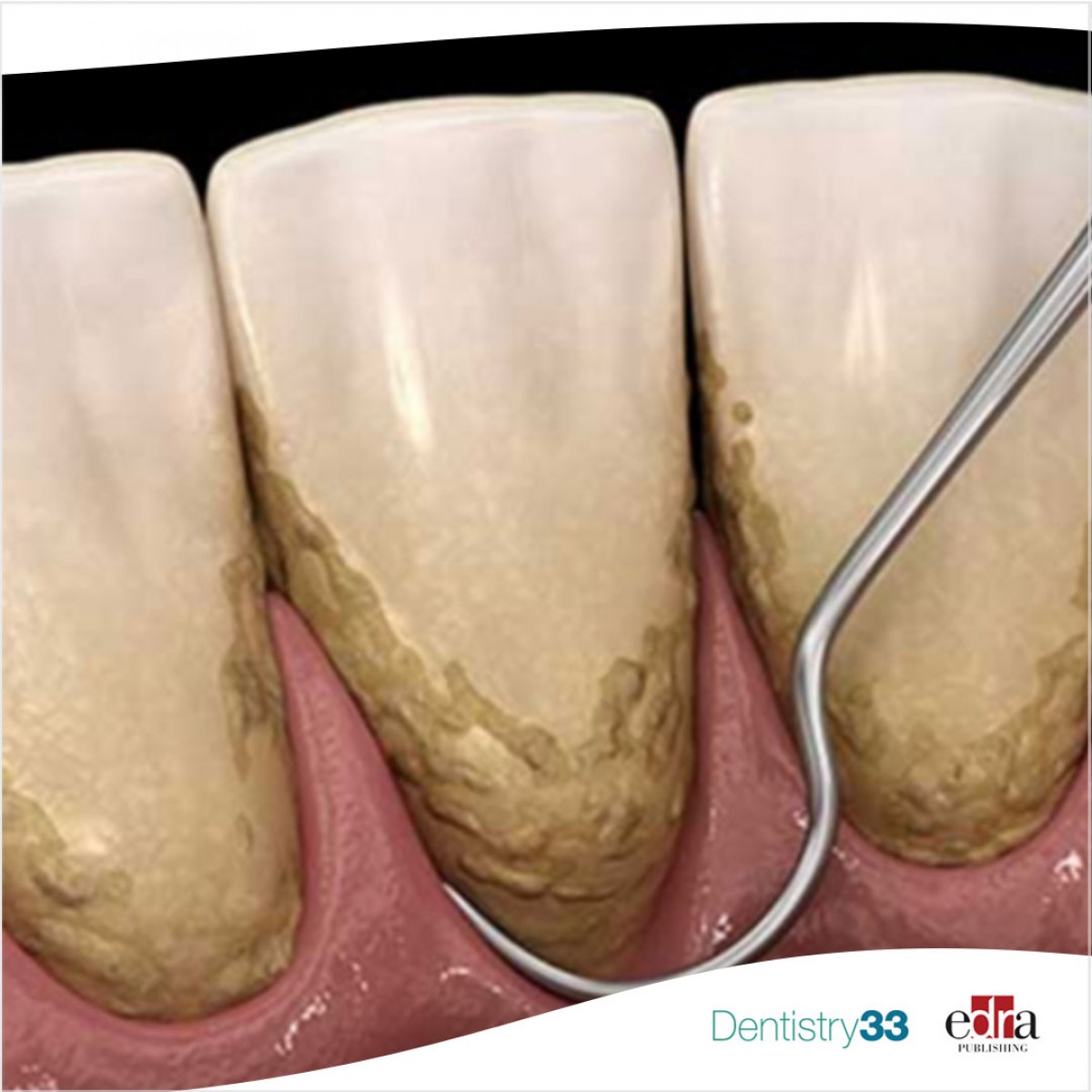
In a new study, researchers evaluated the efficacy of a new laser-assisted periodontal pocket therapy (Er-LCPT), comparing its effects with those obtained with the standard treatment of scaling and root planing alone.
Periodontal treatment of scaling and root planing (SRP) is conventionally considered a gold standard in the non-surgical treatment of periodontal pockets.
Most periodontal pockets, whose depth varies between 4 and 6 mm, show a good curative response only with SRP treatment. However, for pockets more than 6 mm deep, this treatment is often not decisive, presenting persistent pockets even after repeated SRP treatments. In these cases, additional therapies should be used.
Recently, laser is increasingly being used in periodontal therapy. Among the various laser systems, the Er:YAG laser has shown very positive effects in periodontal treatment due to its excellent ability to effectively ablate soft and hard periodontal tissues, while being minimally invasive to surrounding tissues.
During treatment, this laser has the potential to achieve complete and extensive decontamination and cleaning of periodontal pockets due to its effectiveness in the mechanical removal of tartar and its bactericidal activity by photothermal and photomechanical ablation.
Type of research, and mode of analysis
In a randomized controlled clinical trial published online in April 2023 in the Journal of Periodontology, the authors evaluated the efficacy of a new laser-assisted periodontal pocket treatment (Er:YAG [Er-LCPT]) for the treatment of persistent pockets compared to conventional scaling and root planing alone.
Two sites of 18 patients with residual periodontal pockets ≥5 mm depth persistent after initial therapy or after supportive therapy were randomly divided into one of two groups in a split-mouth design:
- Group 1 or control group, in which a treatment of scaling and root planing (SRP) with curettes was performed, and
- Group 2 or test group, in which traditional root curettage combined with the use of the Er-LCPT laser was performed.
In Group 2, after root planing with curettes, inflamed connective tissues on their inner gingival surface and bone surface within existing bone defects were treated with laser. In addition, the proximal epithelium and the blood clot at the entrance of the bursa were removed with the laser.
Clinical parameters, before and after treatment, were evaluated for 12 months.
Results
Both groups showed significant improvements in clinical parameters. With Er-LCPT, the treatment of periodontal pockets was completely and safe, without negative side effects or complications, and healing was favorable in most cases. At 12 months, Er-LCPT demonstrated a significantly greater reduction in probing bag depth (2.78 mm vs. 1.89 mm on average; p = 0.012, Wilcoxon test), greater clinical attachment gain (1.67 mm vs. 1.06 mm; p = 0.004), and a reduction in BOP values (0.89 vs. 0.56; p=0.031) compared to SRP treatment of scaling and root planing.
Conclusions
From the data of this study, which should be confirmed in other similar works, it can be concluded that periodontal treatment with Er:YAG laser (Er-LCPT) is more effective in the therapy of persistent pockets than scaling and root planing SRP alone.
This article originally appeared in Odontologia33.
Akira Aoki et al. "Er:YAG laser-assisted comprehensive periodontal pocket therapy for residual periodontal pocket treatment: a randomised controlled clinical trial." J Periodontol. 2023 Apr 4. doi: 10.1002/JPER.22-0552.
 Related articles
Salt Lake City, Utah— The Monet+ laser curing light represents a significant advancement in laser curing technology.
Products 01 April 2026
Innovative integrated diode laser protocol achieves >99.99% bacterial reduction while simplifying endodontic workflow and reducing treatment time.
Although the discovery of lasers and research into their applicability for dental use began in the 1960s, it was not until 1985 that the first documented use of a laser in periodontal surgery was...

The Acuity Direct X-Ray Photon Detection (DXPD™) intraoral sensor provides clearer, more detailed digital x-ray images than is possible with CMOS sensors. CMOS sensors experience significant data...
Pediatric dentistry 17 October 2024

Treating infants and young children is a rewarding experience, especially when we guide parents and children down the path of prevention and interception of oral disease.
Read more
Products 15 October 2026
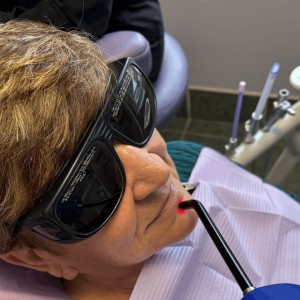
The belief in the healing power of light goes all the way back to ancient Egypt and the worship of Rah, the sun god.
Nearly half the world’s population is affected by oral disease—and the number of cases is rising.
News 15 October 2026

New office at 3170 R Street adds walk-in availability and same-day care options in a region where dental providers are in short supply
Each year, the University of Colorado Anschutz School of Dental Medicine (SDM) Excellence Awards recognize individuals whose dedication, leadership and innovation strengthen our mi
Oral surgery 15 October 2026
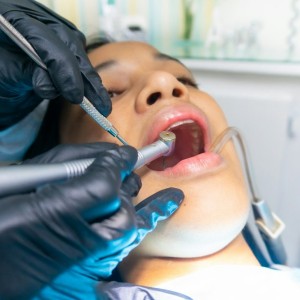
This peer-reviewed oral surgery article summarizes clinical evidence from International journal of oral and maxillofacial surgery (2026). It focuses on findings that may help dental professionals...



Copyright © 2026 - All Rights Reserved
ISSN 2767-1178