


Adiposity not associated with caries among youth in the U.S.

Background
Body mass index has been traditionally used to determine the nutritional status of children in studies on obesity and caries. Imaging methods provide a superior assessment of body fat. This study investigated the relationship between measures of adiposity and caries in permanent teeth in children and adolescents.
Methods
The analysis included 5,694 participants in the National Health and Nutrition Examination Survey from 2011 through 2018, aged 8 through 19 years. The body fat percentage (BF%) and fat mass index (FMI) were determined from whole-body dual-energy x-ray absorptiometry scans.
Excess adiposity was defined as a sex- and age-specific value at or above the 75th percentile according to the U.S. reference standards for BF% or FMI. Caries was measured with the decayed teeth and decayed, missing, and filled teeth indexes; prevalence of untreated dentin caries; and lifetime caries prevalence.
The associations between adiposity and caries were tested in confounding variables–adjusted regression models.
Results
The FMI score was associated with the decayed, missing and filled teeth score (rate ratio, 1.03; 95% CI, 1.01 to 1.05) and lifetime caries prevalence (odds ratio, 1.06; 95% CI, 1.03 to 1.08), but the associations attenuated after adjustment for confounding variables. Neither the BF% score nor the presence of excess adiposity, defined according to the BF% or FMI reference standards, were associated with caries.
Conclusion
The authors found no association between measures of adiposity and caries among U.S. children and adolescents.
Practical implications
Caries is a multifactorial disease, and any observed association between obesity and caries is most likely due to the shared determinants and risk factors of both conditions.
Érica Torres de Almeida Piovesan, Soraya Coelho Leal and Eduardo Bernabe. "Adiposity is not associated with caries among youth in the United States." JADA. 8 September 2023. DOI:https://doi.org/10.1016/j.adaj.2023.07.013
 Related articles
Editorials 27 September 2026
Dentistry33 survey highlights replacement care, deep caries and evolving restorative workflows
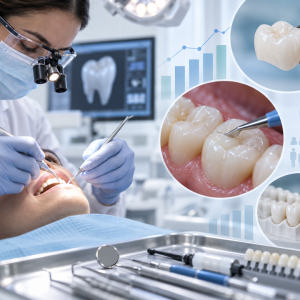
Reader survey finds direct composites remain dominant, secondary caries is the leading reason for restoration replacement, and clinicians want more training in pulp preservation
Reader survey finds direct composites remain dominant, secondary caries is the leading reason for restoration replacement, and clinicians want more training in pulp preservation
Dental decay is the most common chronic disease of children and it disproportionately affects those living in poverty, but the reasons for this are not clear. Passive smoking may be a modifiable risk...
Oral Hygiene & Prevention 20 August 2025
Personal oral hygiene and dental caries: A systematic review of randomised controlled trials
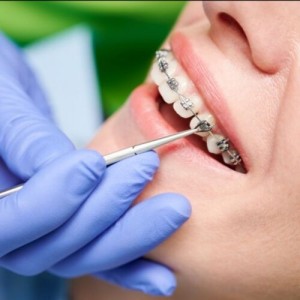
To conduct a systematic review of randomised trials assessing the association between personal oral hygiene and dental caries in the absence of the confounding effects of fluoride.

The new CaviSense Toothpick helps detect signs of early-stage cavities and has proven useful in traditional dental clinics as well as mobile operations as both a screening tool used during non-x-ray...
Pediatric dentistry 08 April 2025
Oral rehabilitation in pediatric dentistry: a clinical case report

Despite the emphasis and effort devoted to preventive dentistry, massive coronal destruction caused by dental caries or trauma is still seen in pediatric dentistry practice today.
Read more
Products 22 October 2026
News 22 October 2026

Royal Philips (NYSE: PHG, AEX: PHIA), a global leader in oral healthcare, today announced the formation of the Philips Sonicare Global Clinical Advisory Board, a group of external
News 22 October 2026
Opalescence Launches Limited-Edition Teeth Whitening Flavors

Opalescence whitening , the #1-selling professional teeth whitening brand, is introducing two limited-edition flavors, available only while supplies last: Pumpkin Spice and Birthda
Editorials 22 October 2026
2025 in Review: Highlights from the CU Anschutz School of Dental Medicine
From collaborative research to exceptional patient care and education , 2025 was a year of innovation and impact at the University of Colorado Anschutz School of Dental Medicine.
Implantology 22 October 2026

This peer-reviewed implantology article summarizes clinical evidence from Clinical oral implants research (2026). It focuses on findings that may help dental professionals evaluate treatment...



Copyright © 2026 - All Rights Reserved
ISSN 2767-1178