


Anti-inflammatories, cause of serious alterations of tooth enamel in children
Paola Omini
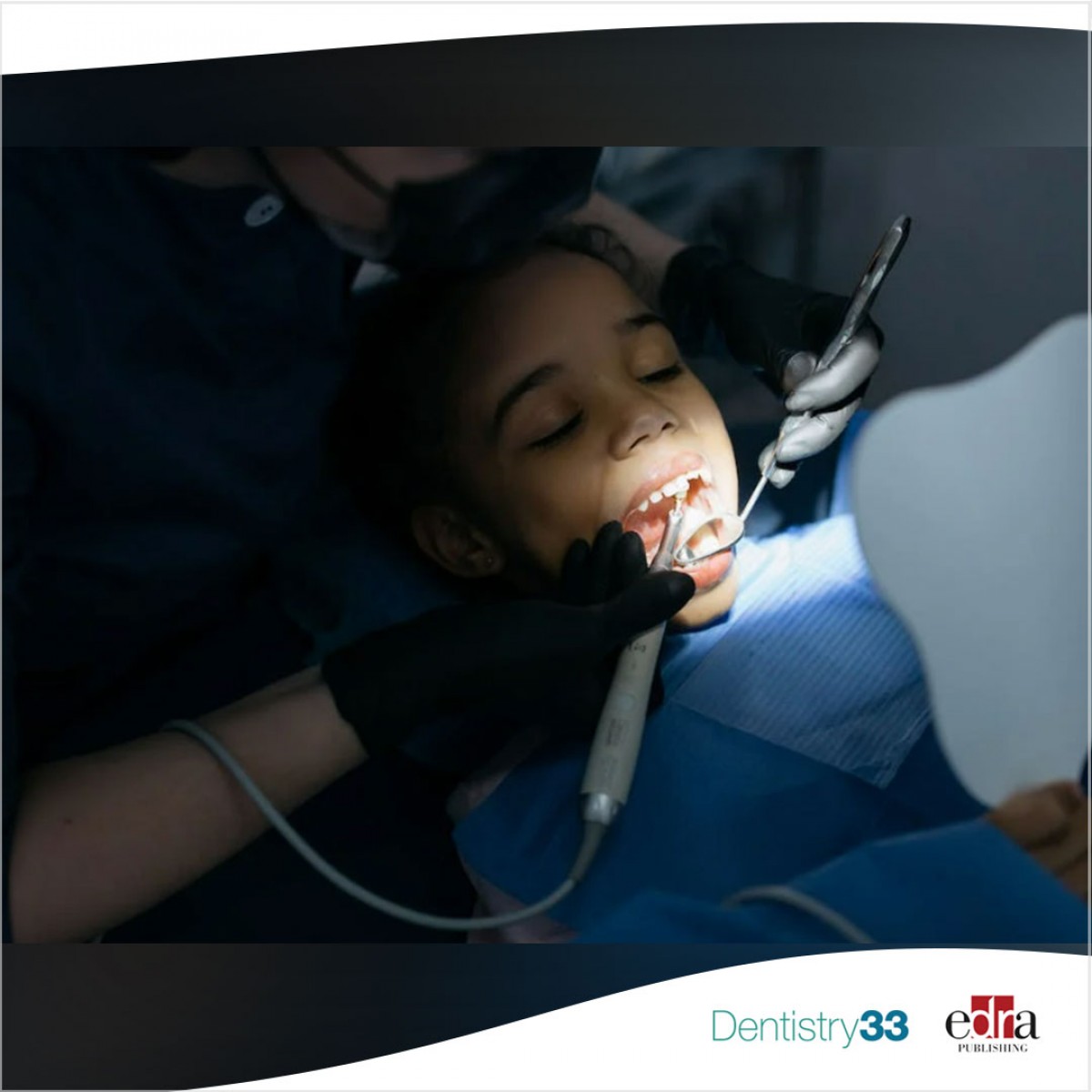
A study conducted at the University of São Paulo (USP) (Brazil), and published in the journal Scientific Reports in September 2022, shows that anti-inflammatories commonly taken by children may be associated with tooth enamel defects (DED), which are currently observed in about 20% of children worldwide.
The authors, affiliated with the Ribeirão Preto School of Dentistry (FORP-USP) and the School of Pharmaceutical Sciences (FCFRP-USP), investigated the effects of celecoxib and indomethacin, nonsteroidal anti-inflammatory drugs (NSAIDs) classified by the World Health Organization (WHO) as the first step of the analgesic scale, along with paracetamol.
In recent years, dentists at the FORP-USP Dental Enamel Clinic, who investigate and treat the problem on a daily basis, have observed a sharp increase in the number of children seeking treatment for pain, white or yellow spots on their teeth, and tooth sensitivity and fragility. In some cases, simple chewing can fracture children's teeth. These are all classic symptoms of DED of the type known as enamel hypomineralization, the causes of which are poorly understood.
As a consequence of this disorder, dental caries in the form of carious lesions appears earlier and more frequently in these patients, whose restorations are less adhesive and tend to fail more. Studies have shown that they may have to replace restorations ten times more often throughout their lifetime than people with healthy teeth.
Research process
The researchers used rats to study the problem, as these animals have incisors that grow continuously, making analysis easier. The rats were treated with celecoxib and indomethacin for 28 days, after which there were virtually no differences with the naked eye in their teeth. However, when the researchers began to extract them, they found that the teeth fractured more easily.
Analyses based on images and chemical composition suggested that dental mineralization had been affected. The teeth contained lower-than-normal levels of calcium and phosphate, which are important for tooth enamel formation, and mineral density was low.
When the researchers looked for the reasons, they found alterations in proteins necessary for mineralization and cell differentiation, which showed that the drugs had indeed affected the composition of tooth enamel.
Next steps
"Right now, the study offers us at least one clue as to the identity of a new actor who may be involved in the development of DEDs. Until now we were totally in the dark," says Paula-Silva, professor in the Department of Pediatrics at FORP-USP and last author of the article. "We have only achieved these important findings thanks to the efforts of the Dental Enamel Clinic of FORP-USP and the collaboration with Lúcia Helena Faccioli, professor at FCFRP-USP. She made a crucial contribution to our understanding of the role played by lipid mediators related to inflammatory diseases affecting teeth."
The group plans to conduct a clinical study with the aim of confirming the results of the research in the animal model. "We will analyze the medical history of children with DED and their use of these drugs, and we will launch a clinical study that will correlate the two datasets to see if the same thing happens in humans. If so, we can make recommendations on which drugs should not be used according to which patients. We can also help develop an appropriate treatment protocol in the future," explains Paula-Silva, comparing this situation with that of tetracycline, an antibiotic not recommended for children because it causes tooth discoloration.
Another important point to be addressed is the indiscriminate use of over-the-counter medicines, a problem that appears to have worsened as paediatric care has become more widespread, although no specific information is yet available.
Juliana de Lima Gonçalves et al. "Enamel biomineralization under the effects of indomethacin and celecoxib non-steroidal anti-inflammatory drugs." Scientific Reports. 12, Article number: 15823 (2022). https://doi.org/10.1038/s41598-022-19583-w
 Related articles
Editorials 27 September 2026
Dentistry33 survey highlights replacement care, deep caries and evolving restorative workflows
Reader survey finds direct composites remain dominant, secondary caries is the leading reason for restoration replacement, and clinicians want more training in pulp preservation
Reader survey finds direct composites remain dominant, secondary caries is the leading reason for restoration replacement, and clinicians want more training in pulp preservation
Dental decay is the most common chronic disease of children and it disproportionately affects those living in poverty, but the reasons for this are not clear. Passive smoking may be a modifiable risk...
Oral Hygiene & Prevention 20 August 2025
Personal oral hygiene and dental caries: A systematic review of randomised controlled trials
To conduct a systematic review of randomised trials assessing the association between personal oral hygiene and dental caries in the absence of the confounding effects of fluoride.

The new CaviSense Toothpick helps detect signs of early-stage cavities and has proven useful in traditional dental clinics as well as mobile operations as both a screening tool used during non-x-ray...
Pediatric dentistry 08 April 2025
Oral rehabilitation in pediatric dentistry: a clinical case report

Despite the emphasis and effort devoted to preventive dentistry, massive coronal destruction caused by dental caries or trauma is still seen in pediatric dentistry practice today.
Read more
Products 22 October 2026

News 22 October 2026

Royal Philips (NYSE: PHG, AEX: PHIA), a global leader in oral healthcare, today announced the formation of the Philips Sonicare Global Clinical Advisory Board, a group of external
News 22 October 2026
Opalescence Launches Limited-Edition Teeth Whitening Flavors

Opalescence whitening , the #1-selling professional teeth whitening brand, is introducing two limited-edition flavors, available only while supplies last: Pumpkin Spice and Birthda
Editorials 22 October 2026
2025 in Review: Highlights from the CU Anschutz School of Dental Medicine
From collaborative research to exceptional patient care and education , 2025 was a year of innovation and impact at the University of Colorado Anschutz School of Dental Medicine.
Implantology 22 October 2026
This peer-reviewed implantology article summarizes clinical evidence from Clinical oral implants research (2026). It focuses on findings that may help dental professionals evaluate treatment...



Copyright © 2026 - All Rights Reserved
ISSN 2767-1178