


Endodontic treatment in deciduous teeth: How to reduce time
Alessandra Abbà

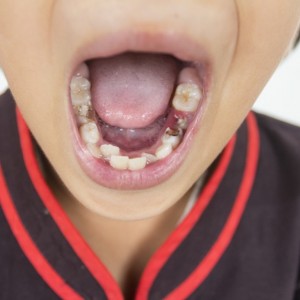
Dental pulp in deciduous teeth can be involved earlier than in permanent teeth in the progression of carious lesions. In addiction it is also known that traumatic injuries, especially in anterior teeth, occur frequently. When the deciduous pulp is compromised, endodontic treatment should be performed to preserve the integrity and function of the tooth until the physiological exfoliation. The instrumentation of the root canal may be performed with manual or mechanical tools.
Endodontic treatment with rotary systems can contribute significantly to reducing the duration of the procedure for pediatric patients. This study published on International Journal of Clinical Pediatric Dentistry in 2019 aims to demonstrate the potential applications of technological advances in endodontics in pediatric dentistry.
Materials and Methods
The sample comprised artificial deciduous teeth divided into three groups:
- group I: instrumented with a manual technique (G1), performed with the Kerr type files 1st series 21 mm.
- group II: rotary technique (G2), performed Mtwo files of sizes 10/0.4, 15/0.5, 20/0.6, 25/0.6–21 mm
- group III: reciprocating instrumented technique (G3), performed with RECIPROC file Reciproc 25/0.08.
Access to the root canal was performed by with a round bur, scouting of canal with a file Pilot # 10 0.2, 21 mm, to the working length (CT) without resistance, and widening the entrance of the conduits with Gates Glidden drills no. 2–4. A stopwatch was used to measure the instrumentation time in each root canal.
Results
The comparisons between the groups showed that manual instrumentation, rotary and reciprocating systems techniques were efficacy in the shaping of the canals. The average time for the manual technique was 4.4 minutes, while for the rotary and reciprocating systems was 3.4 minutes.
Conclusions
Results showed that current systems can facilitate endodontic treatment in one session. Reducing treatment time is essential with pediatric patient. Rotary and reciprocating techniques had identical effects in reducing the treatment time. Both techniques required significantly less time compared to manual instruments. Then rotary instrumentation offers several advantages as flexibility, cutting power, better maintenance of the original canal shape. However further statistical investigation are necessary to perform endodontic treatment in primary teeth.
For additional informations: Endodontic Treatment in Artificial Deciduous Teeth through Manual and Mechanical Instrumentation: A Pilot Study
 Related articles
Pediatric dentistry 09 October 2026
This peer-reviewed pediatric dentistry article summarizes clinical evidence from BMC oral health (2026). It focuses on findings that may help dental professionals evaluate treatment decisions,...
Pediatric dentistry 29 April 2026
Exploration and innovative application of digital technology in pediatric dentistry
Pediatric dentistry treats patients aged 0-18 years, encompassing the characteristics of general dentistry.
Pediatric dentistry 14 April 2026
Comparison between dexmedetomidine and esketamine in pediatric dentistry surgery
Dexmedetomidine (D) and esketamine (K) are used for the sedation of pediatric dental surgery. This study was designed to compare the effect of intranasal D and K in producing moderate sedation for...
Existing studies on adverse events (AEs) in pediatric dentistry have been limited in scope.
Read more
Products 22 October 2026
News 22 October 2026

Royal Philips (NYSE: PHG, AEX: PHIA), a global leader in oral healthcare, today announced the formation of the Philips Sonicare Global Clinical Advisory Board, a group of external
News 22 October 2026
Opalescence Launches Limited-Edition Teeth Whitening Flavors

Opalescence whitening , the #1-selling professional teeth whitening brand, is introducing two limited-edition flavors, available only while supplies last: Pumpkin Spice and Birthda
Editorials 22 October 2026
2025 in Review: Highlights from the CU Anschutz School of Dental Medicine
From collaborative research to exceptional patient care and education , 2025 was a year of innovation and impact at the University of Colorado Anschutz School of Dental Medicine.
Implantology 22 October 2026
This peer-reviewed implantology article summarizes clinical evidence from Clinical oral implants research (2026). It focuses on findings that may help dental professionals evaluate treatment...



Copyright © 2026 - All Rights Reserved
ISSN 2767-1178