


Interceptive orthodontic treatment with elastomeric appliances: literature review and case reports
Authors: C. Ricciardi, M.G. Cagetti, S. Cattaneo, Y. Qing Hu, L. Strohmenger
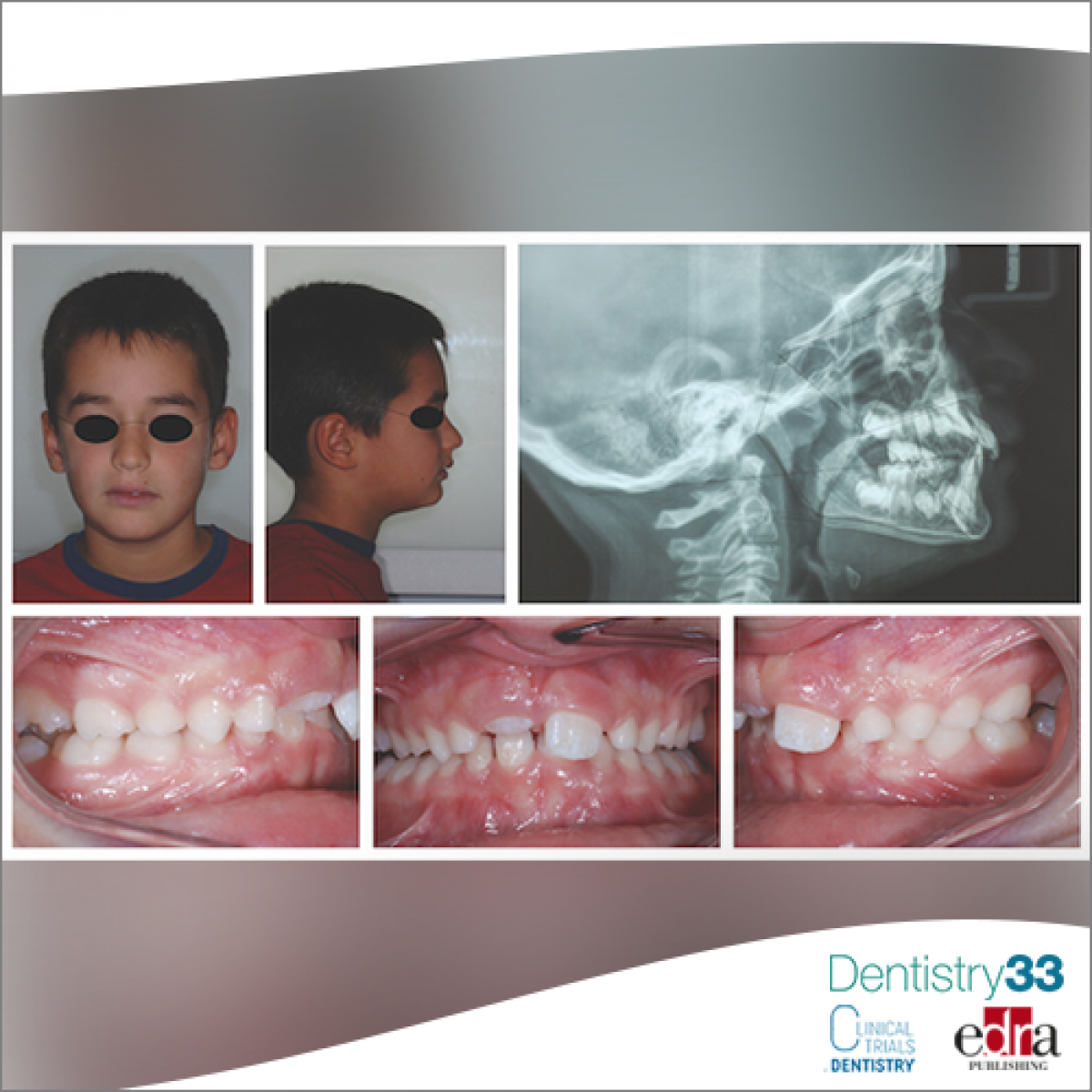
The aim of this study is to describe preformed elastomeric appliances, soft plastic orthodontic devices that are recommended for interceptive treatment and are frequently used in combination with myofunctional therapy.
MATERIALS AND METHODS
Construction characteristics and indications for use are analysed. Different devices are available with common features, all of them to be used during the night and a few hours during the day. Two illustrative case studies are presented together with the scientific literature that evalu- ated their efficacy.
RESULTS
Preformed elastomeric appliances promote skeletal and dento-alveolar changes in the growing patient and can improve the functional equilibrium of oral muscles.
CONCLUSIONS
Elastomeric appliances can be effectively used in interceptive therapy to correct different orthopaedic or orthodontic problems in growing patients.
 Related articles

The study aimed to evaluate and compare the efficacy and efficiency between fixed appliances and clear aligners for resolving maxillary incisor irregularity in the mixed dentition.
Prosthodontics 18 May 2023
Evaluating the reliability of a new portable device to diagnose nocturnal bruxism

Bruxoff is a portable sleep bruxism assessment device that combines electromyography and heart rate assessment. In this study, authors investigated the reliability and validity of the device...
Read more
Products 18 November 2026
News 18 November 2026
Angelalign Technology Appoints Marco Gadola as Senior Advisor

(6699.HK) (“Angel”), a global clear aligner leader, recently announced that Marco Gadola has joined the company as Senior Advisor.
News 18 November 2026

(“Align”) (Nasdaq: ALGN), a leading global medical device company that designs, manufactures, and sells the Invisalign® System of clear aligners, iTero™ intraoral scanners, and exo
Editorials 18 November 2026

The Pediatric Dentistry Alumni Association supports the IU Pediatric Dentistry Department and students in a variety of ways.
Orthodontics 18 November 2026
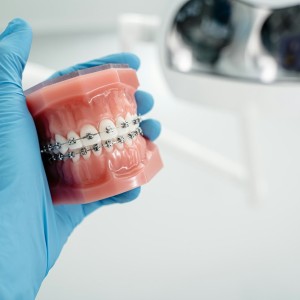
This peer-reviewed orthodontics article summarizes clinical evidence from Dental press journal of orthodontics (2024). It focuses on findings that may help dental professionals evaluate treatment...


Copyright © 2026 - All Rights Reserved
ISSN 2767-1178