


Facial soft tissue changes in adolescent patients treated with three different functional appliances: a randomized clinical trial.
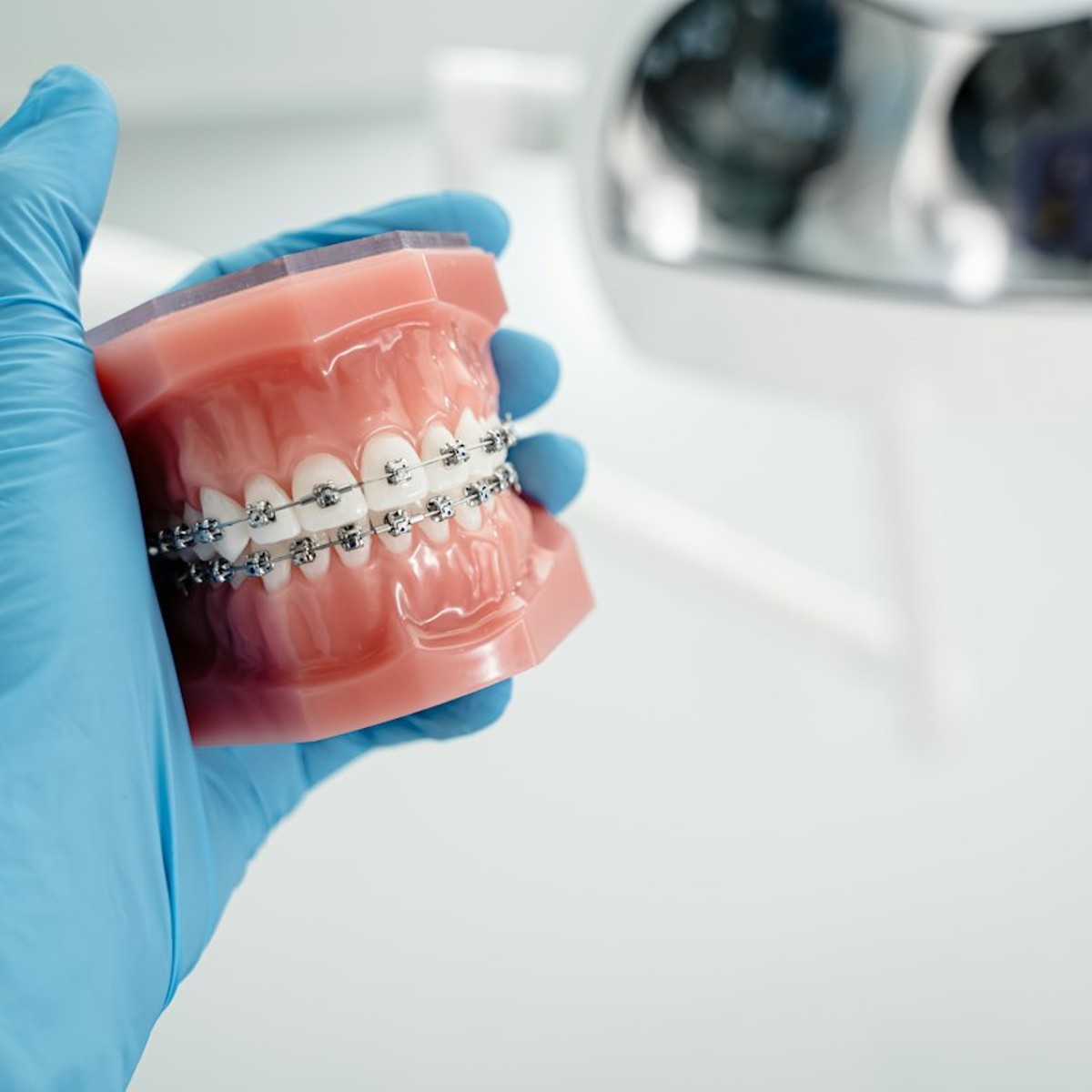
This peer-reviewed orthodontics article summarizes clinical evidence from Dental press journal of orthodontics (2024). It focuses on findings that may help dental professionals evaluate treatment decisions, patient outcomes, or clinical protocols.
Abstract
INTRODUCTION: Patients with Class II, division 1 malocclusion generally seek treatment to improve facial esthetics. Therefore, the orthodontist needs to know the changes in the soft profile produced by functional appliances.
OBJECTIVE: This study evaluated the soft tissue profile changes in patients treated during the peak of the pubertal growth spurt.
METHODS: Thirty selected patients were randomized into three treatment groups: Twin Block (TB), Herbst with dental anchorage (HDA), and Herbst with skeletal anchorage (HSA). All patients had computed tomographic images: pretreatment (T1) and after 12 months of active treatment (T2). Twenty-four soft tissue cephalometric measures were analyzed. The normality of all data was assessed by the Shapiro-Wilk test. Intragroup comparisons were analyzed using the t-paired test; the inter-group comparisons were determined through ANOVA and the post-hoc Tukey test.
RESULTS: At T1, no significant differences were observed between groups. At T2, in the intragroup comparison, facial soft tissue changes were statistically significant in the three groups for the lower lip, sulcus inferioris, facial soft tissue convexity in HDA group and TB group, and H angle in HDA group and HSA group, and soft tissue pogonium in TB group. In the inter-group comparison, no statistically significant differences were observed.
CONCLUSION: It can be concluded that there were significant changes in soft tissue measurements that benefited Class II, division 1 patient's facial profile treated with the functional appliances Twin Block, Herbst, and Herbst with skeletal anchorage. Nevertheless, no significant differences were detected among the effects obtained by the three treatment protocols.
Key takeaway
Key takeaway: Because the evidence comes from a clinical trial design, the findings may be especially useful when comparing treatment approaches in daily practice.
Peer-reviewed source
Nathália Moraes Carvalho Barreto Brandão, Nathália Barbosa Palomares, Tatiana Lima, Cátia Cardoso Abdo Quintão, Klaus Barretto Lopes, José Augusto Mendes Miguel
Dental press journal of orthodontics. 2024
DOI: 10.1590/2177-6709.29.5.e242440.oar
PMID: 39383371
PubMed: https://pubmed.ncbi.nlm.nih.gov/39383371/
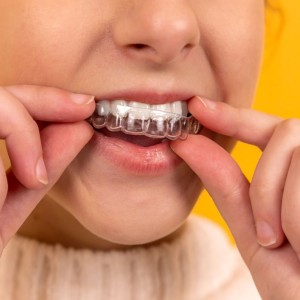
Image: Katarzyna Zygnerska (Unsplash)
 Related articles
Orthodontics 10 November 2026
This peer-reviewed orthodontics article summarizes clinical evidence from Dental press journal of orthodontics (2025). It focuses on findings that may help dental professionals evaluate treatment...
News 21 October 2026
Orthodontics 21 August 2026
This peer-reviewed orthodontics article summarizes clinical evidence from Dental press journal of orthodontics (2026). It focuses on findings that may help dental professionals evaluate treatment...
Products 07 August 2026
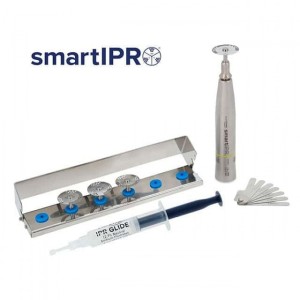
Partnership with Eversmile makes o scillating s ystem available through HSO in the United States.
Orthodontics 07 August 2026
This peer-reviewed orthodontics article summarizes clinical evidence from Dental press journal of orthodontics (2026). It focuses on findings that may help dental professionals evaluate treatment...
Read more
Products 18 November 2026
News 18 November 2026
Angelalign Technology Appoints Marco Gadola as Senior Advisor

(6699.HK) (“Angel”), a global clear aligner leader, recently announced that Marco Gadola has joined the company as Senior Advisor.
News 18 November 2026

(“Align”) (Nasdaq: ALGN), a leading global medical device company that designs, manufactures, and sells the Invisalign® System of clear aligners, iTero™ intraoral scanners, and exo
Editorials 18 November 2026

The Pediatric Dentistry Alumni Association supports the IU Pediatric Dentistry Department and students in a variety of ways.
Products 17 November 2026
Dentsply Sirona Manufactures 100,000th Heliodent Plus X-Ray Unit
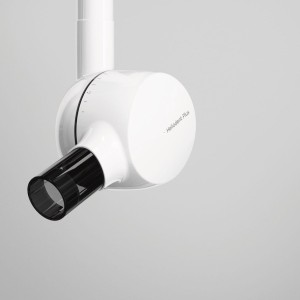
The 100,000-unit milestone reflects decades of clinician trust and the growing importance of connected imaging workflows in modern dentistry.


Copyright © 2026 - All Rights Reserved
ISSN 2767-1178