


Comparative evaluation of antimicrobial properties of silver nanoparticles and chlorhexidine mouthwashes on the colonization of microflora and oral health during orthodontic treatment: a double-blind randomized controlled trial.
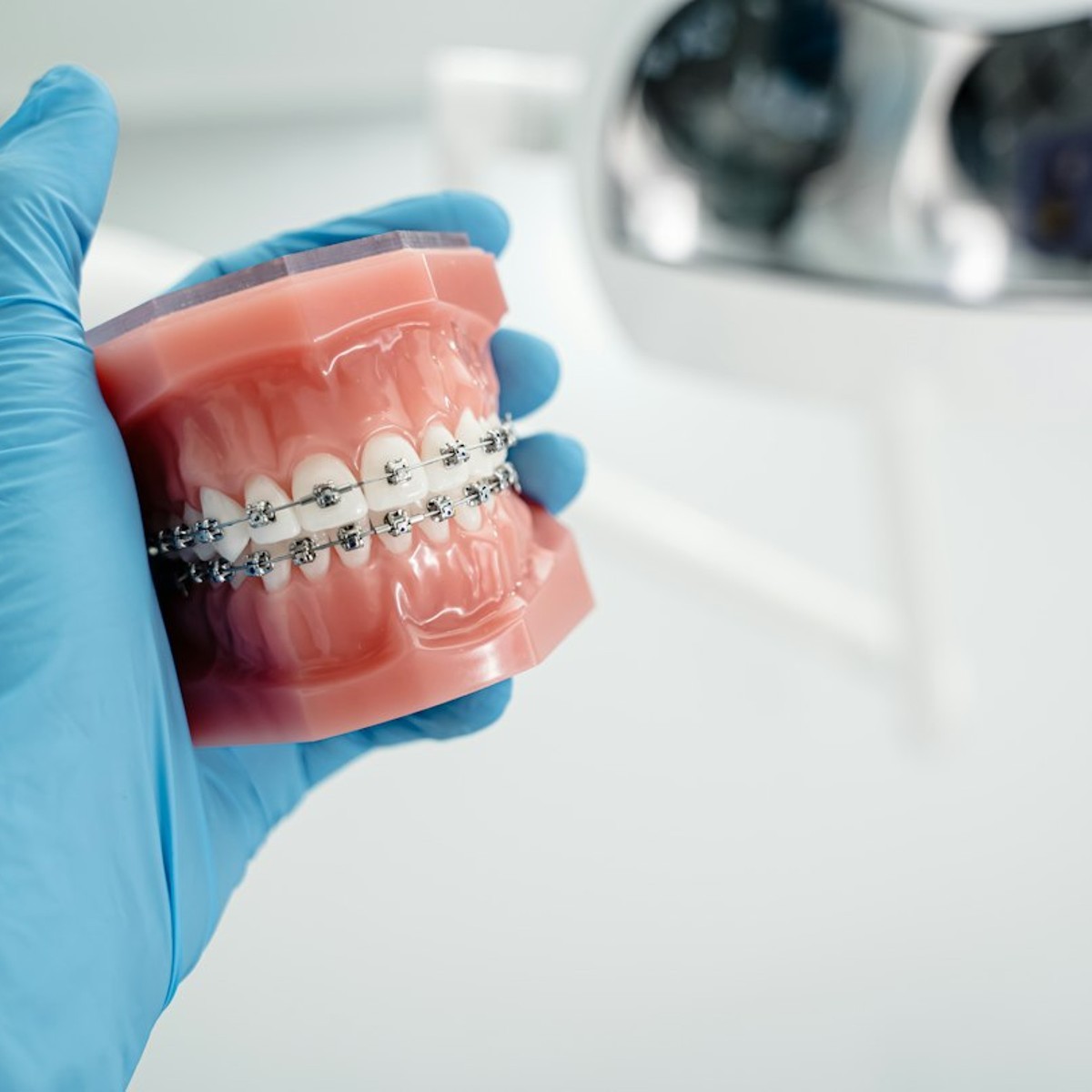
This peer-reviewed orthodontics article summarizes clinical evidence from Dental press journal of orthodontics (2025). It focuses on findings that may help dental professionals evaluate treatment decisions, patient outcomes, or clinical protocols.
Abstract
INTRODUCTION: Fixed orthodontic appliances facilitate microbial adhesion and plaque accumulation. Although chlorhexidine has proven to be the most effective antiplaque and antigingivitis agent, it has several side effects.
OBJECTIVE: The present study aims to evaluate and compare the effectiveness of silver nanoparticles (SNP) and Chlorhexidine (CHX) mouthwash on reducing the microbial count and improving oral health during fixed orthodontic treatment.
TRIAL DESIGN: 4-arm parallel, placebo-controlled, double-blind randomized clinical trial with an allocation ratio of 1:1:1:1.
METHODS: Microbial count of Streptococcus spp., Plaque Index, Gingival Index, Gingival Bleeding Index and Pocket Probing Depth were evaluated in 80 orthodontic patients at T0 (Pretreatment), T1 (four weeks after bonding) and T2 (four weeks after mouthwash prescription). Then patients were randomized into four groups: G1) NanOlife (containing SNP), G2) Chlorhex (containing 0.2% chlorhexidine), G3) Placebo, and G4) negative control (no mouthwash prescription) (n=20 each group). The effects of orthodontic treatment and mouthwashes were analyzed statistically.
RESULTS: The microbial count and all the four indices increased between T0 and T1 (P<0.05). They decreased below the baseline levels in Gp2, and back to baseline levels in Gp1 at T2 (P<0.05), except Gingival Bleeding index and Pocket Probing Depth. Both mouthwashes showed significantly improved therapeutic effects compared to placebo and negative control.
CONCLUSIONS: Although SNP mouthwash was effective in the reduction of all the assessed parameters, it could not decrease them to the baseline levels, suggesting its limited efficacy. CHX mouthwash proved to be extremely effective by decreasing the microbial count, plaque index and gingival index below the baseline level.
Key takeaway
Key takeaway: Because the evidence comes from a clinical trial design, the findings may be especially useful when comparing treatment approaches in daily practice.
Introduction from full text
Periodontal diseases (PD) are alterations that affect the supportive apparatus surrounding teeth, including gingival tissue, alveolar bone, periodontal ligament and cementum [ 1 , 2 ]. The PD involves inflammatory reactions induced basically by bacteria included in an oral biofilm in the periodontium [ 3 , 4 ], which is still a severe oral problem globally [ 3 , 5 ]. The initial stage of PD is called gingivitis, which is identified as an inflammation of the gingiva by the accumulation of bacteria or debris in a biofilm, which is a reactive and reversible condition [ 1 , 2 ]. However, periodontitis is presented in more severe stages of PD, which is a progressive periodontal condition, appearing as a chronic, destructive, irreversible inflammatory state [ 1 , 2 , 6 ]. The oral biofilm constituted by periodontal pathogens has been widely studied, determining that the interaction of specific species into the biofilm, the host response, and the development of PD, basically periodontitis, is a challenge [ 4 , 7 ]. The dysbiosis of the microbiota could alter bacterial ecology, facilitating the host’s inflammatory and immune response, ending in tissue destruction [ 8 ]. Among the bacteria that have been more directly involved in the pathogenesis of PD are Actinobacillus actinomycetemcomitans ( A. actinomycetemcomitans ), Porphyromonas gingivalis ( P. gingivalis) , Prevotella intermedia ( P. intermedia ), Bacteroides forsythus ( B. forsythus ) , and Treponema denticola ( T. denticola ). Other bacterial species such as Prevotella nigrescens ( P. nigrescens ), Campylobacter rectus ( C. rectus ), Peptostreptococcus micros ( P. micros ), Eikenella corroden ( E. corroden ) , and Fusobacterium nucleatum ( F. nucleatum ) have a less relevant role, although they have occasionally been related to some forms of PD [ 4 , 7 ]. Particularly, the more prevalent bacteria in healthy oral biofilms could be mentioned, i.e., the Gram-positive bacteria such as Streptococcus sanguinis ( S. sanguinis ) , Streptococcus oralis ( S. oralis ) , Streptococcus intermedius ( S. intermedius ) , Streptococcus gordonii ( S. gordonii ) , Peptostreptococcus micros ( P. micros ) , Gemella morbillorum ( G. morbillorum ), and others. In contrast, the Gram-negative bacteria more frequently found are Veillonella parvula, V. atypica, Capnocytophaga ochracea, and others [ 4 , 7 , 9 , 10 ]. In periodontal disease biofilms, the microorganisms more frequently distributed in gingivitis belong to Gram-negative bacteria such as Prevotella spp., Selenomonas spp., and Fusobacterium nucleatum ss. polymorphum , among others. For a more severe conditions of PD, such as periodontitis, the main bacteria are classically described in the red-complex triad, including Gram-negative bacteria such as T. denticola, P. gingivalis , and T. forsythia [ 4 , 7 , 10 , 11 ].
The main treatments of PD are the control of bacterial growth immersed into the oral biofilm, divided into mechanical and chemical procedures [ 12 ]. The mechanical treatments of supra and subgingival biofilms are based on the control of bacterial growth proliferation, using mechanical instruments such as daily oral hygiene habits (cleaning devices, toothbrushes, dental floss, dental toothpicks, and others) [ 13 , 14 ] and specific professional therapeutics (surgical and non-surgical mechanical debridement) [ 12 , 15 ]. In the case of chemical therapeutics, some antimicrobial solutions have been demonstrated to help the action of mechanical procedures, permitting more effective antimicrobial controls against periodontopathogenic species [ 12 ]. The most common antimicrobial agents used for periodontal treatments are present in toothpaste and mouthwashes, which are accompanied, after mechanical debridement, by particular concentrations of the agent, according to the periodontal diagnosis and treatment [ 12 , 14 ]. Chlorhexidine gluconate (CHX) is the gold standard antimicrobial solution in the PD treatment used after surgical and non-surgical periodontal procedures, inhibiting bacterial proliferation consistently in the supra and subgingival dental sites during long-term periods, even in low contents [ 12 , 16 , 17 ]. Moreover, the solution of CHX has shown several adverse effects related to the pigmentation of hard dental tissues and tongue, mucosal irritation, taste disturbances, numbness and pain in mouth and tongue, xerostomia, and calculus, to name a few [ 18 , 19 , 20 ].
Even though CHX has been the best antimicrobial agent for treating PD, other alternatives have been studied. Some works have reported that antibiotics systemically administrated, such as amoxicillin/clavulanic acid, clindamycin, metronidazole, and the combination therapy metronidazole/amoxicillin, have demonstrated positive responses against various periodontal bacteria associated with destructive PD [ 21 , 22 ]. However, at the same time, the increase in antimicrobial resistance is a significant limitation in long-term administration [ 22 , 23 ], including periodontal microbial affections [ 24 ]. In this sense, it is necessary to explore new and more effective antimicrobial agents [ 25 , 26 , 27 ] with properties that improve periodontal therapy through bacterial growth inhibition and the reduction of antibiotic resistance. The literature has recommended the use of silver nanoparticles (AgNP) for the control of bacterial proliferation, due to their excellent bacteriostatic and bactericidal properties in many microbial species, including oral microorganisms [ 28 , 29 , 30 , 31 , 32 , 33 ]. A significant number of researchers report the evaluation of the bactericidal effect of the AgNP against specific bacterial species using standard bacterial stocks provided by Microbial Type Culture Collection (MTCC) [ 34 ] or American Type Culture Collections (ATCC) [ 35 , 36 ] catalogs. Therefore, there are limited investigations that have determined the antimicrobial activity of AgNP using exclusively clinical bacterial oral biofilms, focused specifically on individual periodontal pathogens [ 34 , 37 , 38 , 39 ]. The purpose of this study was to evaluate the antimicrobial activity of AgNP against several oral biofilms isolated from patients with and without PD and to explore the associations of the antimicrobial activity of AgNP with the sociodemographic and clinical characteristics of the subjects under study. The results of this study will contribute both to a better understanding and the safe use of these metallic nanomaterials as an alternative approach for the prevention and control of PD.
Peer-reviewed source
Pradeep Raghav, Amit Kumar Khera, Shrestha Bisht
Dental press journal of orthodontics. 2025
DOI: 10.1590/2177-6709.30.1.e2524112.oar
PMID: 40197941
PubMed: https://pubmed.ncbi.nlm.nih.gov/40197941/
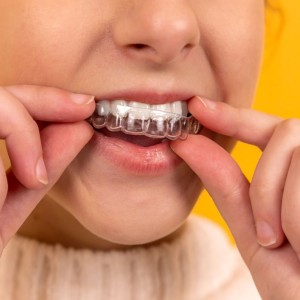
Image: Katarzyna Zygnerska (Unsplash)
 Related articles
News 21 October 2026
Orthodontics 21 August 2026
This peer-reviewed orthodontics article summarizes clinical evidence from Dental press journal of orthodontics (2026). It focuses on findings that may help dental professionals evaluate treatment...
Products 07 August 2026
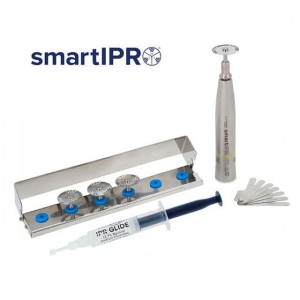
Partnership with Eversmile makes o scillating s ystem available through HSO in the United States.
Orthodontics 07 August 2026
This peer-reviewed orthodontics article summarizes clinical evidence from Dental press journal of orthodontics (2026). It focuses on findings that may help dental professionals evaluate treatment...
Partnership with Eversmile makes o scillating s ystem available through HSO in the United States.
Read more
Editorials 11 November 2026
The Indiana University School of Dentistry has been advancing oral health in the state and beyond since 1879, when it was founded as the Indiana Dental College.
Oral pathology 11 November 2026
This peer-reviewed oral pathology article summarizes clinical evidence from BMC oral health (2024). It focuses on findings that may help dental professionals evaluate treatment decisions, patient...
Products 11 November 2026
First-ever Dental Dedicated MRI Cleared by FDA for Advanced Soft‑Tissue Diagnostics
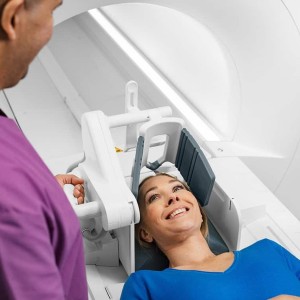
MAGNETOM Free.Max Dental Edition was developed jointly by Dentsply Sirona, Siemens Healthineers, and leading scientists in Europe and the United States.
News 11 November 2026

News 11 November 2026

With the launch of Ambient Coaching, Videa moves beyond clinical documentation to turn everyday patient conversations into intelligence that helps practices deliver better care.


Copyright © 2026 - All Rights Reserved
ISSN 2767-1178