


Treatment outcome in a graduate orthodontic clinic using the American Board of Orthodontics grading system

Since 1999, the American Board of Orthodontics (ABO) has used the objective grading system (OGS) to grade clinical case reports; the ABO also encourages prospective candidates to use the system.
Ninety-two cases that satisfied the specifications of 6 of the ABO's malocclusion categories were selected from the files of 500 consecutively completed patients in the graduate orthodontic clinic at the University of Illinois at Chicago; this was called the university group. A comparison group of 32 cases previously presented to the ABO was collected from 5 clinicians in the Chicago area who had passed the ABO examination and become board-certified between 1984 and 2000; this was called the ABO group.
Fourteen of the 32 cases in the ABO group were presented to the ABO after implementation of the OGS; these were also analyzed separately. Overall, the ABO group lost fewer points (had lower OGS scores) than did the university group (P <.05); the ABO group comprised a highly selected sample. The university group had significantly (P <.05) better scores for root parallelism, whereas the ABO group had significantly better scores for occlusal contacts and overjet scores, possibly reflecting settling after appliance removal. Finishing in the anterior segment and the second molar region was better in the ABO group. Orthodontists are good at correcting spaces in the arch and are deficient in placing adequate torque in the buccal segments.
No differences were found in OGS scores among the 6 malocclusion categories. This study suggests how university cases could be completed to a higher level of quality and how other samples could be evaluated to raise the level of orthodontic treatment outcome.
Authors: Linda C. Yang-Powers, Cyril Sadowsky, Sheldon Rosenstein, Ellen A. BeGole
Source: https://www.sciencedirect.com/
 Related articles
This study was not funded by any organization or institution or any research grant company.
Oral surgery 10 April 2026
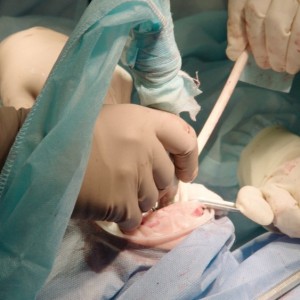
A systematic literature search in MEDLINE, Embase, and the Guideline websites, from October 2007 to October 2012, produced articles that were critically evaluated.
News 10 April 2026

New agentic workflow converts post-appointment patient conversations into structured financial notes, follow-up actions, and business insights.
Orthodontics 27 March 2026
The Primary Failure of Eruption in orthodontics: knowledge to prevent overtreatment
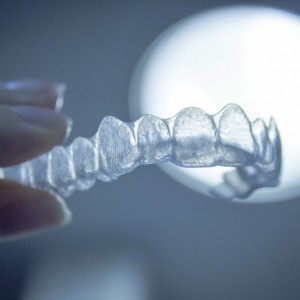
The aim of this paper is to report a rare clinical case of Primary Failure of Eruption (PFE) in a young Italian patient.
Editorials 27 February 2026

Texas A&M College of Dentistry recently entered into an agreement with Shear Kershman Laboratories and medical device company Innovative MedTech Inc. to study BioViscid, a pharmaceutical delivery...
Read more
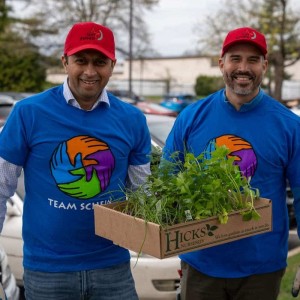
Jen Kim Field, chief sustainability officer at Henry Schein and president of the Henry Schein Cares Foundation, answers questions for Dentistry Today about the group’s achievements
News 12 October 2026
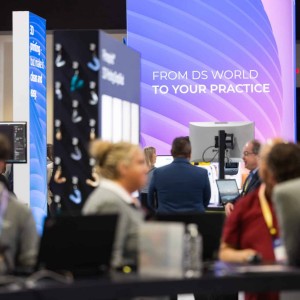
The education-first program offered learning for the entire dental practice, with practical insights spanning the full patient journey and focused on improving workflows, collabora
News 12 October 2026
AAO and Stand for the Silent Unite Communities This Month to Shine a Light on Bullying Prevention
Editorials 12 October 2026
Expanded coverage: Texas A&M’s Plemons named 2026 Texas Dentist of the Year

Sometimes a small act of generosity can make a tremendous impression, especially on a 7-year-old.
Endodontics 12 October 2026
This peer-reviewed endodontics article summarizes clinical evidence from Journal of dentistry (2026). It focuses on findings that may help dental professionals evaluate treatment decisions, patient...



Copyright © 2026 - All Rights Reserved
ISSN 2767-1178