


Rapid maxillary expansion: the effect on the temporomandibular joints
Davide Elsido

In the latest issue (May 2020) of The Angle Orthodontist a systematic review was published about the effects of Rapid Maxillary Expansion (RME) on temporomandibular joints.
RME has been used as a routine clinical procedure, with the main objective of mechanically separating the palatine suture in young patients with maxillary transverse constriction, deep palatal vault, and or posterior crossbite. It has also been used in cases of crowding by increasing the perimeter of the arch and other situations where a transverse increase is necessary. After opening the median palatal suture, not only transverse but also vertical and anteroposterior changes occur. Clockwise rotation of the mandibular plane, resulting from a lower and posterior position of the mandible after RME, has been one of the most reported effects. These changes may directly or indirectly affect other structures of the craniofacial complex to which the maxilla is interconnected, including the temporomandibular joint (TMJ).
The current systematic review evaluated the impact of RME on condylar position, disc joint, joint space, and interarticular relationship in growing patients by means of CT or MRI. The studies included were those in which subjects underwent RME only. Based on this review, it was observed that RME did not promote intercondylar impairment in patients with functional unilateral posterior crossbite (FUPC) or maxillary constriction with bimaxillary posterior crossbite. Intercondylar asymmetry was improved to a symmetric position in patients with FUPC. Kasimoglu et al. (2007) investigated the relationship between vertical asymmetries of the mandibular condyle with different occlusion types and concluded that growing patients with FUPC might be at risk for developing skeletal mandibular asymmetries in the future and the early correction of posterior crossbite can help practitioners to prevent skeletal asymmetries. During the analysis of the results of the two studies that evaluated the articular disc, it was concluded that RME was not able to change the articular disc even in patients who had pretreatment disc displacement. There were no studies regarding the effects of RME on the TMJ after the retention period.
All studies evaluated the immediate effects, with the post-treatment evaluation being performed shortly after the active period or in the retention period (12 to 24 weeks after activation). In conclusion, according to this review RME in growing patients is able, in the short term, to modify the condyle-fossa relationship, not modifying the position or shape of the articular disc, but able to maintain or improve the intercondylar symmetry relationship.
For additional information: Effects of rapid maxillary expansion on temporomandibular joints: A systematic review
 Related articles
Orthodontics 04 July 2022

Otitis media and rapid maxillary expansionOtitis media with effusion (OME) is defined as the presence of fluid in the middle ear without signs or symptoms of acute ear infection. OME is responsible...
Orthodontics 27 August 2021
.png)
Rapid maxillary expansion (RME) appliances are often used to treat transverse deficiencies in the maxilla since their introduction in the 1860s with both skeletal and dentoalvoelar effects.Rapid...
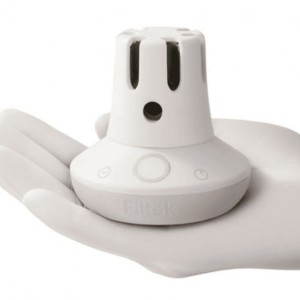
Solventum has officially been awarded the prestigious 2026 Red Dot Award for Product Design for its groundbreaking Filtek Composite Warmer.
News 26 February 2026

The Annual Awards Celebrate Scientific Excellence, Philanthropy, and Contributions to the Dental Profession
News 19 February 2026

Join thousands of dental professionals at the 161st Chicago Dental Society Midwinter Meeting, taking place from February 19 through February 21 at McCormick Place West in Chicago.
Read more
Europe 27 September 2026 - 30 November -0001
Digital Dentistry Society Global Congress 2026: Event Preview and Professional Highlights

The Digital Dentistry Society Global Congress 2026 will take place from October 22, 2026 to October 24, 2026 in TBD, Rotating Europe, offering dental professionals a focused environment for...
Editorials 27 September 2026
Dentistry33 survey highlights replacement care, deep caries and evolving restorative workflows
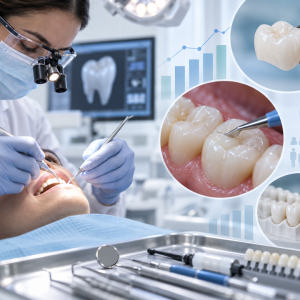
Reader survey finds direct composites remain dominant, secondary caries is the leading reason for restoration replacement, and clinicians want more training in pulp preservation
Reader survey finds direct composites remain dominant, secondary caries is the leading reason for restoration replacement, and clinicians want more training in pulp preservation
Edra Professional Books 26 September 2026
Manual of oral surgery: A Practical Reference for Dental Professionals

Manual of oral surgery is an Edra professional dentistry reference focused on clinical practice, education and treatment planning.
Products 25 September 2026
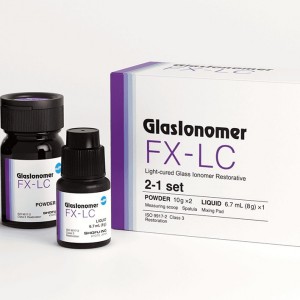
Shofu Dental’s line of dental restorative materials now includes FX-LC, a next-generation, light-cure, resin-reinforced glass ionomer formulated to deliver high strength, efficient 4
News 25 September 2026

The scholarships are part of an ongoing workforce solutions strategy to help address the need for skilled dental hygienists



Copyright © 2026 - All Rights Reserved
ISSN 2767-1178