


Dental and Orthodontic problems: Can they be due to the use of the pacifier?
By Niccolò Cenzato, Cinzia Tripicchio, Massimiliano Vella and Luca Esposito

One of the most common non-nutritive sucking habits in the first years of life is the use of the pacifier. Although scientific evidence has revealed the benefits that derive from its use, the concerns of parents about its use are increasingly growing. Such concerns generate confusion. In fact, parents often rely on the advice of professionals to receive clarifications on its use.
The purpose of our review, published in Dental Cadmos in April 2022, is to evaluate the advantages and disadvantages of using the pacifier, guiding professionals in conversations with parents to clarify doubts and perplexities, providing recommendations relating to the type of pacifier to be used, timing of administration and other keys to managing this habit.
Results
Several cross-sectional studies have shown that breastfeeding has a protective effect against the development of dental skeletal abnormalities and that it is able to prevent the establishment of non-nutritional sucking habits.
Evaluating the occurrence of dysgnathia in preschool children using pacifiers, the authors of the studies we reviewed said that prolonged use of the pacifier is correlated with a higher prevalence of anterior open-bite, increased overjet and rear cross-bite. From the myofunctional point of view, studies found pacifiers to be a contributing cause of the presence of a reduced transverse palatal diameter — ogival palate or narrow palate. Atypical swallowing and oral breathing and hypertonicity of the facial muscles occur with greater prevalence in these subjects.
Based on these findings, some authors have evaluated the effect of differently designed pacifiers on oral structures. The use of orthodontic soothers is associated with a lower prevalence of malocclusion than conventional ones. Finally, the pacifier is defined as a cause of the onset of infections because it acts as a bacterial reservoir and therefore as a vector of infection. Consequently, several methods for disinfecting and sterilizing the device have been evaluated.
Conclusions
It is recommended for infants to use the pacifier at night in the first year of life. However, the authors suggest this be avoided after the child reaches two years of age. Three years is considered the age limit of use beyond which it is necessary to stop the habit. Choosing an anatomically designed pacifier is useful for preventing the onset of malocclusions.
It is important to carry out correct decontamination and disinfection maneuvers to decrease the surface bacterial load and prevent the development of infections.
This article was originally published in Dental Cadmos.
doi: 10.19256/d.cadmos.04.2022.04
 Related articles
News 17 September 2021
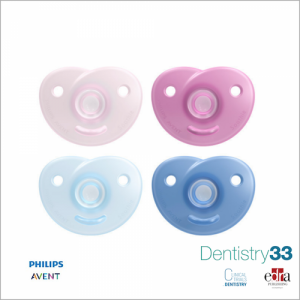
Philips Avent, a mother, and childcare product corporation, has launched a new line of products, including an orthodontic-friendly pacifier. The new line is designed to aid in feeding babies and to...
Editorials 21 November 2025

News 21 September 2023

By Katharine Gammon, Ostrow School of Dentistry News
Congenital conditions can cause either premature or delayed fusion of the cranial bones — both of which can lead to serious developmental problems.

Designed for users of all ages, TongueGym is meant to provide assistance, easement and higher efficiency to those performing tongue stretching and strengthening exercises.
News 12 August 2022

The reason humans are dying out is simple: humans are the reason humans are dying out. We don't have enough babies; it's simple. The key number is "2.1". It refers to 2.1 children per couple, known...
Read more
USA 20 September 2026 - 30 November -0001

The American Academy of Implant Dentistry Annual Conference 2026 will take place from November 11, 2026 to November 14, 2026 in TBD, USA, offering dental professionals a focused environment for...
Editorials 20 September 2026
Dentistry33 survey shows small practices balancing growth, costs and technology modernization
Reader survey finds solo and small practices remain prominent while staffing, rising costs and digital adoption shape business priorities
Reader survey finds solo and small practices remain prominent while staffing, rising costs and digital adoption shape business priorities
Edra Professional Books 19 September 2026
Piezoelectric surgery of impacted teeth: A Practical Reference for Dental Professionals
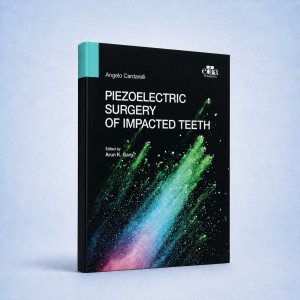
Piezoelectric surgery of impacted teeth is an Edra professional dentistry reference focused on clinical practice, education and treatment planning.
Products 18 September 2026
Hard Tissue Charting and Natural Voice Perio Added to Overjet Voice

Providers talk through exams naturally while Overjet Voice handles hard tissue findings, perio measurements, and clinical notes directly in the PMS.
News 18 September 2026

Partnership leverages BioHorizons’ commercial network to broaden availability of Xtant’s allogeneic growth factor technology, OsteoFactor Pro™, which BioHorizons will private brand



Copyright © 2026 - All Rights Reserved
ISSN 2767-1178