


Effectiveness of mandibular advancement device in the management of moderate obstructive sleep apnea with concomitant temporomandibular disorder: a case report
Author: Aleksandra Komogortseva, Leopoldo P. Correa

The comorbidity between obstructive sleep apnea (OSA) and temporomandibular disorder (TMD) is high. Approximately one in four patients with clinically diagnosed TMD has polysomnographic-diagnosed OSA. This comorbidity poses difficulty for management because neither appliance is considered effective in treating both conditions. Mixed results have been reported with some studies claiming mandibular advancement device (MAD) worsened TMD. In contrast, other studies found symptoms to be alleviated. In addition, MAD therapy is not efficacious for all, with approximately one-third of patients experiencing no therapeutic benefit. However, there is strong evidence demonstrating MAD improve OSA in the majority of patients.
Report of Case: 55-year-old female, diagnosed with moderate OSA (AHI=16.3 and 84% O2) with chronic history of TMD symptoms. A through clinical history and examination completed, BMI 31.6, neck circumference 12.5”, and cephalometric analysis depicted a low mandibular angle and reduced hyoid bone-to-mandible distance. Intolerant to CPAP due to air leakage and facial pain aggravated by the mask. MAD as an alternative therapy was suggested to the patient by the sleep physician. TMD symptoms included bilateral masticatory myofascial pain, TMJ sounds, and headaches. A bilateral traction oral appliance design was selected with 50% of mandibular protrusion, and 5 mm of vertical dimension of occlusion (VDO). The sleep oral device and morning repositioning aligner were fabricated, delivered, and fitted. A lower stabilization orthotic appliance for daytime use was fabricated to address TMD symptoms. The patient returned for a follow-up with and reported increased dreaming, decrease in snoring, headaches, bite changes, facial and jaw pain from moderate to mild based on a subjective report by the patient confirmed by visual analog scale (VAS). Additional titration and occlusal adjustments of the oral sleep device and daytime orthotic device were made to achieve further therapeutic jaw protrusion and management of TMD symptoms. After completing the MAD titration protocol, she was referred to the sleep physician for a follow-up sleep study to objectively assess the efficacy of the appliance, which revealed an AHI of 3.5 and 89% 02 (baseline AHI 16.3 and 84% 02). Long-term follow-up was implemented as standard of dental sleep medicine clinical care at six months for the first year and yearly after.
Discussion: In this case report, we describe the impact of OSA on chronic pain as a vicious cycle with mutual deleterious influences causing an increase in pain and disrupted sleep. MAD is a well-established alternative to the gold standard CPAP currently recommended for mild to moderated OSA management. This case report demonstrates successful management of concomitant moderate OSA with an existing TMD condition when evidence-based and clinical expertise help to customize a treatment plan based on the patient’s unique medical history and examination.
Support: Authors declared no conflict of interest and no financial support provided for this case report.
Source: https://www.aadsm.org/
 Related articles
Orthodontics 01 June 2022
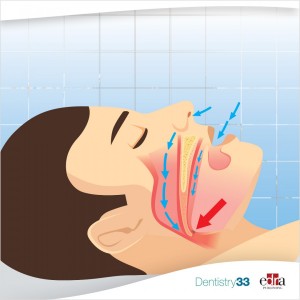
Authors: Linda Sangalli, Fernanda Yanez Regonesi, Diego Fernandez Vial, Isabel Moreno Hay
Mandibular advancement device (MAD) is recognized as a treatment option for the management of obstructive sleep apnea (OSA) in mild to moderate cases and/or patients unable to tolerate PAP therapy....
Orthodontics 06 September 2021
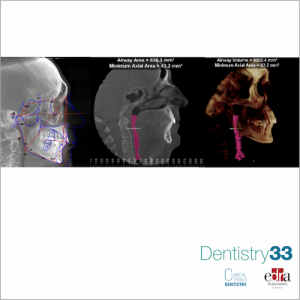
Authors: Giovanni Bruno, Alberto De Stefani, Luca Mezzofranco, Giuliano Irlandese, Antonio Gracco
Obstructive Sleep Apnea Syndrome (OSAS) is a chronic sleep respiratory disturbances (DRS) result from a completed (apnea) or partial (hypopnea) upper airways obstruction, most often at the...
Editorials 06 March 2026
HSDM researchers join national effort to improve care for temporomandibular disorders

Multidisciplinary research initiative aims to transform how temporomandibular disorders are understood, diagnosed, and treated
Prosthodontics 13 June 2025

The second part of this review, evaluating the literature on the relationship between dental occlusion and temporomandibular disorders (TMDs), focuses on the aetiological importance of tooth loss and...
Oral Hygiene & Prevention 28 November 2023
New Center Will Investigate And Discover Treatments for Temporomandibular Disorders

It has a disc in the middle and then two bony structures that articulate together to open and close the jaw. But, with all that talking and eating, the jaw joint is used more than the knee. Between 5...
Read more

Jen Kim Field, chief sustainability officer at Henry Schein and president of the Henry Schein Cares Foundation, answers questions for Dentistry Today about the group’s achievements
News 12 October 2026

The education-first program offered learning for the entire dental practice, with practical insights spanning the full patient journey and focused on improving workflows, collabora
News 12 October 2026

AAO and Stand for the Silent Unite Communities This Month to Shine a Light on Bullying Prevention
Editorials 12 October 2026
Expanded coverage: Texas A&M’s Plemons named 2026 Texas Dentist of the Year

Sometimes a small act of generosity can make a tremendous impression, especially on a 7-year-old.
Endodontics 12 October 2026
This peer-reviewed endodontics article summarizes clinical evidence from Journal of dentistry (2026). It focuses on findings that may help dental professionals evaluate treatment decisions, patient...



Copyright © 2026 - All Rights Reserved
ISSN 2767-1178