


Small diameter and immediate loading implantology: a minimally invasive technique
Authors: Baldi D, Colombo J, Stacchi C, Robiony M, Schierano G

Objectives
Minimally invasive surgery is a new paradigma also in dentistry. Historically, implant-prosthetic rehabilitations included the use of normal diameter implants also in the anterior area, often associated with surgical procedures of bone regeneration, surgical procedures which often had a strong impact on the patient both from a psychological and temporal but above all surgical point of view. In fact, surgery was often very invasive and although using innovative methods and tools, the morbidity was high. An attempt was therefore made to use tools which were less traumatic as possible on the bone, such as piezoelectric instruments which, thanks to their overmodulated frequency, allowed a selective, micrometric cut and therefore guaranteed a surgery with a less traumatic impact because they gave the operator the possibility of having constant control of the surgical instrument. This fact guaranteed at the same time a better cutting effectiveness on the bone tissue without damaging the soft tissues. These prerogatives allowed to obtain a better healing of hard and soft tissues. Outcomes supported by scientific research that have demonstrated a better and faster biological response where a piezoelectric instrument was used to perform surgery. Unfortunately, however, the use of traditional diameter implants forced the operator to try to obtain significant bone regeneration to ensure sufficient bone thickness around the implants to avoid dangerous dehiscence not only for the aesthetic result but for the survival of the implants themselves, and therefore as a matter of fact the surgery proved to be equally invasive despite the use of piezoelectic instruments. At present, however, in various clinical situations, the use of reduced diameter implants (<3.5 mm) has been proposed to be able to minimize the surgical procedures of increase in bone volume thus guaranteeing the patient a reduction in treatment times and costs, as well as a minor surgical trauma, and if we add to this the use of a less traumatic instrument like the piezoelectric one we can understand how this combination can allow us to have less traumatic surgical approaches. During the past, every situation in which patient lost bone volumes was treated with guided bone regeneration. It determined longer and more expensive therapies. A valid alternative could be represented by narrow implants, to reduce treatment time and cost. So it will be presented a case report in which the patient has been rehabilitated with a immediate loaded narrow implant in esthetic area (2.2), combining the use of a piezoelectric instrument that was perfectly operational thanks to the use of inserts suitable for the preparation of the correct size implant site to receive a 3 mm implant. Implants that over time, thanks also to scientific works, have demonstrated a high validity such as to allow operators to be able to resolve cases that traditionally would have been faced with surgery aimed at obtaining bone regeneration in order to place traditional-sized implants, in a much more simple and predictable way. In the end, the use of an aesthetic prosthetic product allows an optimal finalization of the clinical case.
Materials and methods
A young female patient with tooth 2.2 agenesia has been treated with a narrow implant due to interadicular proximity. It has been decided to use piezoelectric implant insertion and provisional immediate loading restoration. The case has been finished, after healing, with a litium disilicate definitive crown.
Discussion
Surgical technique evolution wants to reduce patient morbility and treatment duration.
Piezoelectric surgery is less traumatic for soft tissue and more predictable for surgeon. Narrow implants are a valid alternative to bone regeneration techniques.
Conclusions
Narrow implants could be considered a valid alternative to more invasive procedures like bone regeneration.
Clinical significance
The objective of the authors is to give to clinicians a valid therapeutic alternative, in every patient who need an implant supported rehabilitation but has poor bone volumes and less time or money capability.
 Related articles
Implantology 04 September 2026
This peer-reviewed implantology article summarizes clinical evidence from Clinical oral implants research (2026). It focuses on findings that may help dental professionals evaluate treatment...
Implantology 20 August 2026
This peer-reviewed implantology article summarizes clinical evidence from Clinical oral implants research (2026). It focuses on findings that may help dental professionals evaluate treatment...
Implantology 06 August 2026
This peer-reviewed implantology article summarizes clinical evidence from Clinical oral implants research (2026). It focuses on findings that may help dental professionals evaluate treatment...
Implantology 24 July 2026
This peer-reviewed implantology article summarizes clinical evidence from Clinical oral implants research (2026). It focuses on findings that may help dental professionals evaluate treatment...
Implantology 10 July 2026
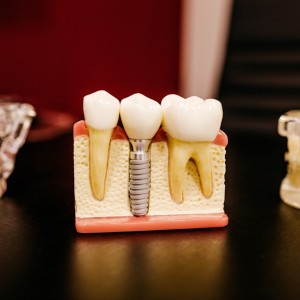
This peer-reviewed implantology article summarizes clinical evidence from Clinical oral implants research (2026). It focuses on findings that may help dental professionals evaluate treatment...
Read more
Products 14 October 2026
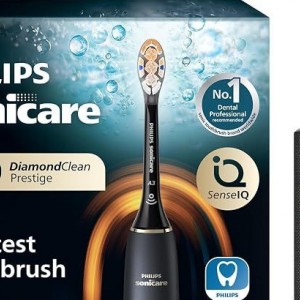
Royal Philips (NYSE: PHG, AEX: PHIA) announced that the Philips Sonicare Next-Generation DiamondClean 9900 Prestige, its most advanced and intelligent toothbrush to date, is now av

Key transaction by Heartland Dental and its supported practices expands opportunities for supported doctors, teams, and practices while strengthening Heartland Dental’s supported f
News 14 October 2026
Henry Schein Cares Celebrates 25 Years of Corporate Citizenship

Henry Schein Cares, Henry Schein, Inc.’s global corporate citizenship program, is celebrating a quarter century of bringing together Team Schein Members, customers, supplier partne
Editorials 14 October 2026
Scholarship at the CU Anschutz School of Dental Medicine reflects the collective contributions of our faculty, staff, residents and students.
Oral Hygiene & Prevention 14 October 2026
Propolis-containing formulations in caries prevention - a systematic review and meta-analysis.
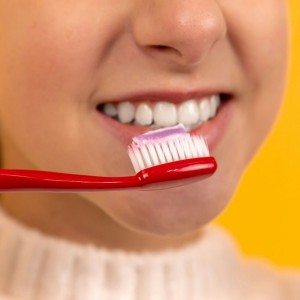
This peer-reviewed oral hygiene & prevention article summarizes clinical evidence from Clinical oral investigations (2026). It focuses on findings that may help dental professionals evaluate...



Copyright © 2026 - All Rights Reserved
ISSN 2767-1178