


Laser for bone healing after oral surgery: systematic review

The purpose of this study is to perform a systematic review on the use of lasers in oral surgery for bone healing. Selection of articles was carried out by two evaluators in Pubmed and Web of Science databases for published articles and OpenGray for gray literature. Search strategy was developed based on the PICO Question “Does the use of lasers after oral surgery improve bone healing?”.
Eligibility criteria were: being on laser; evaluate bone healing; involve oral surgery; do not be about implant, periodontics, orthodontics, osteonecrosis or radiotherapy, nor revisions, clinical cases, etc. Data were collected from each article in a structured spreadsheet and a descriptive analysis was performed. Risk assessment of bias of the articles was carried out through the tool elaborated by the Cochrane collaboration. A total of 827 potentially relevant references were identified.
No articles were found in OpenGray. Eleven articles met the eligibility criteria and were included in the systematic review. Most of studies were in vivo and in jaw, being conducted with low-power lasers which were applied immediately after the surgical procedure of extraction. Neoformation and bone density were the outcomes of choice and there was a tendency of increase in bone density, neoformation, regeneration, mineralization, or bone condensation when laser was applied.
Regarding the bias risk assessment, studies were not clear in reporting most of the parameters. Low-power laser therapy seems to reduce time of bone healing in oral surgery, although there are no defined protocols and the level of evidence is still considered weak.
Authors: Claudio Noba, Anna Carolina Volpi Mello-Moura, Thais Gimenez, Tamara Kerber Tedesco, Cacio Moura-Netto
Source: https://link.springer.com/
 Related articles
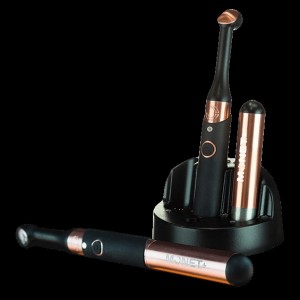
Salt Lake City, Utah— The Monet+ laser curing light represents a significant advancement in laser curing technology.
Products 01 April 2026
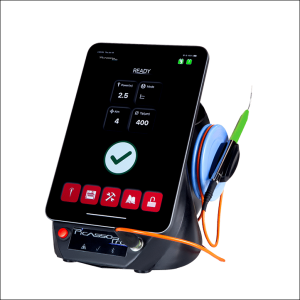
Innovative integrated diode laser protocol achieves >99.99% bacterial reduction while simplifying endodontic workflow and reducing treatment time.
Although the discovery of lasers and research into their applicability for dental use began in the 1960s, it was not until 1985 that the first documented use of a laser in periodontal surgery was...

The Acuity Direct X-Ray Photon Detection (DXPD™) intraoral sensor provides clearer, more detailed digital x-ray images than is possible with CMOS sensors. CMOS sensors experience significant data...
Restorative dentistry 13 February 2026
Integrating Laser Technology with CAD/CAM for Advanced Smile Design in Dentistry

This study aimed to evaluate the effectiveness of integrating laser treatment with CAD/CAM systems in restoring dental function and aesthetics in a 35-year-old male patient suffering from bruxism.
Read more
Products 15 October 2026
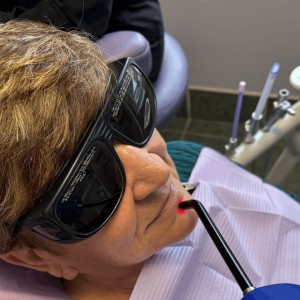
The belief in the healing power of light goes all the way back to ancient Egypt and the worship of Rah, the sun god.
Nearly half the world’s population is affected by oral disease—and the number of cases is rising.
News 15 October 2026

New office at 3170 R Street adds walk-in availability and same-day care options in a region where dental providers are in short supply

Each year, the University of Colorado Anschutz School of Dental Medicine (SDM) Excellence Awards recognize individuals whose dedication, leadership and innovation strengthen our mi
Oral surgery 15 October 2026
This peer-reviewed oral surgery article summarizes clinical evidence from International journal of oral and maxillofacial surgery (2026). It focuses on findings that may help dental professionals...



Copyright © 2026 - All Rights Reserved
ISSN 2767-1178