


Types of lasers and their applications in pediatric dentistry

Laser technology has been recently introduced into the dental field with the idea to replace drilling. Having a less painful first dental experience by the use of modern instruments like laser can be an efficient preventive and therapeutic strategy in pediatric dentistry. Pedodontists need to learn the new less invasive technologies and adopt them in their routine practice. This study aimed to review the available types of lasers and their applications in pediatric dentistry. An electronic search was carried out in IranMedex, InterScience, Scopus, Science Direct, PubMed, ProQuest, Medline and Google Scholar databases to find relevant articles published from 2000 to 2014. Relevant textbooks were reviewed as well. Laser can be used as a suitable alternative to many conventional diagnostic and therapeutic dental procedures. It is especially efficient for caries detection and removal, pulp therapy, lowering the risk of infection, inflammation and swelling and reducing bleeding. On the other hand, due to minimal invasion, laser treatment is well tolerated by children. Improved patient cooperation leads to higher satisfaction of the parents, dentists and the children themselves.
Introduction
Laser technology has been recently introduced to the field of medicine in order to address the diagnostic and therapeutic needs of patients faster and more efficiently.1 The stimulated emission theory discussed by Einstein2 in 1916 later resulted in development of the first working laser by Maiman3 Laser stands for light amplification by stimulated emission of radiation.4 Soon after its advent, researchers attempted to use it for dental purposes due to its unique characteristics.5 Since contemporary dentistry is based upon the use of minimally invasive procedures, laser can serve as a favorable alternative to drilling due to having less pain, sound and vibration. Maintaining a dry environment enhances the clinician’s view of the working area and results in a better outcome. Moreover, substitution of sharp dental instruments with laser attracts more patients to dental clinics.6 However, laser therapy has some shortcomings as well such as high cost, difficult accessibility, its dangerous nature if safety measures are not followed, not being applicable in all fields of dentistry, inability to remove metal restorations and thermal damage to soft tissues.7
Laser was first used for soft tissue incision. But, the new generation of lasers with their special function on water molecules can be used for ablation of dental hard tissue as well. Due to recent advances in laser applications in most dental fields, it is now efficiently used for caries prevention, diagnosis and treatment.8
Pedodontists try to create a pleasant memory of the first dental visit for children by using novel, minimally invasive technologies to help the child establish good dental habits.9 Having a less painful first dental experience through the use of a modern technology like laser would be an efficient preventive and therapeutic strategy. Laser can be successfully used for diagnosis of oral and dental conditions, treatment of the hard and soft tissues and prevention of rapidly progressive oral and dental conditions in children.10
Considering the importance of oral and dental health in physical health status of children, this study aimed to review different types of lasers and their applications in pediatric dentistry.
Authors: Bahareh Nazemisalman, Mahya Farsadeghi, Mehdi Sokhansanj
Source: https://www.ncbi.nlm.nih.gov/
 Related articles
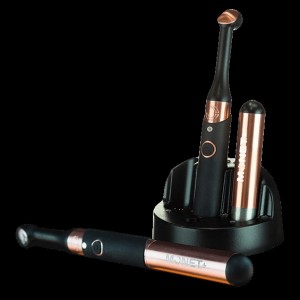
Salt Lake City, Utah— The Monet+ laser curing light represents a significant advancement in laser curing technology.
Products 01 April 2026
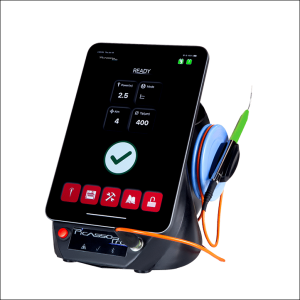
Innovative integrated diode laser protocol achieves >99.99% bacterial reduction while simplifying endodontic workflow and reducing treatment time.
Although the discovery of lasers and research into their applicability for dental use began in the 1960s, it was not until 1985 that the first documented use of a laser in periodontal surgery was...

The Acuity Direct X-Ray Photon Detection (DXPD™) intraoral sensor provides clearer, more detailed digital x-ray images than is possible with CMOS sensors. CMOS sensors experience significant data...
Pediatric dentistry 17 October 2024

Treating infants and young children is a rewarding experience, especially when we guide parents and children down the path of prevention and interception of oral disease.
Read more
Products 15 October 2026
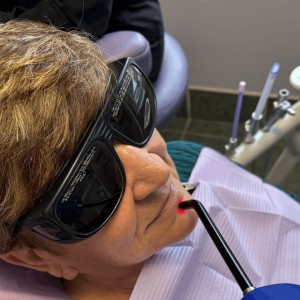
The belief in the healing power of light goes all the way back to ancient Egypt and the worship of Rah, the sun god.
Nearly half the world’s population is affected by oral disease—and the number of cases is rising.
News 15 October 2026

New office at 3170 R Street adds walk-in availability and same-day care options in a region where dental providers are in short supply

Each year, the University of Colorado Anschutz School of Dental Medicine (SDM) Excellence Awards recognize individuals whose dedication, leadership and innovation strengthen our mi
Oral surgery 15 October 2026
This peer-reviewed oral surgery article summarizes clinical evidence from International journal of oral and maxillofacial surgery (2026). It focuses on findings that may help dental professionals...



Copyright © 2026 - All Rights Reserved
ISSN 2767-1178