


Sinus floor elevation: intraoperative complications with two ultrasonic tecniques
Giulia Palandrani

Tooth loss results in bone remodeling and reduction in horizontal and vertical dimensions of the alveolar ridge. In the posterior upper jaw a sinus pneumatization can also occur, resulting in the impossibility to place implants. In these cases the sinus floor elevation is required. This procedure has been widly validated and different tecniques have been described. The traditional technique consists in an antrostomy performed drilling a bone window in lateral sinus wall and an elevation of the Schneiderian membrane in order to insert grafting materials.
The most frequent intraoperative complication is Schneiderian membrane perforation , its prevalence rates from 5 to 56%.with rotary instrumentation, and 4 to 31% with ultrasonic techniques.
Materials and Methods
In this RCT 72 adult patients underwent unilateral sinus lift , the aim of this study was to compare and to assess the prevalence of intraoperative complications using two different ultrasonic approaches in order to create lateral antrostomy : an outlining of the bony window on the lateral wall of the sinus ( group A) or an erosion of the cortical plate until the dark color of the sinus cavity appears under a thin layer of bone, before outlining the window (group B). After the antrostomy in both groups. membrane elevation was completed with hand instruments.
Results
This study report four perforations of the Schneiderian membrane:
- (11.1%) in group A (two occurred during membrane elevation with manual instruments)
- zero perforations in group B (p<0.05).
Three out of four perforations were associated with the presence of Underwood’s septa (p < .05), which was encountered in 20 cases (27.8% prevalence; nine in group A [25%], 11 in group B [30.6%]) No evidence of vascular lacerations or profuse bleeding was registered in both groups and no other complications were registered. Shorter surgical time was recorded in group A (9.2 1 3.7 minutes) than in group B (13.3 1 2.4 minutes; p < .05). These findings are in accordance with data present in literature on ultrasonic lateral approach. A possible explanation could be related to the better visibility and less load application on the handpiece due to the easier perception of membrane proximity when using erosion technique. Furthermore, erosion technique could allow for more efficient cooling of the piezoelectric insert in proximity of the membrane, highly susceptible to thermal damages.
Conclusions
The authors conclude that ultrasonic erosion of the lateral wall of the sinus is a more predictable technique than piezoelectric outlining of a bone window in preventing from accidental perforations of Schneiderian membrane. The presence of Underwood’s septa seems not to increase risk of perforations when using this technique.
For additional Information: Intraoperative Complications During Sinus Floor Elevation with Lateral Approach: A Systematic Review.
 Related articles
Implantology 07 April 2026
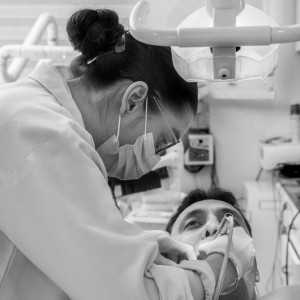
The loss of tooth can be psychologically traumatizing. Attempts to replace teeth have been seen even in ancient civilizations.
Oral surgery 07 December 2023
Maxillary sinus lift: are some of its characteristics correlated with greater success?

Autologous bone was the first material to be used as a graft for this procedure and has long been considered the gold standard, due to its osteoconductive, osteoinductive and osteogenic properties....
Implantology 26 July 2021

Authors: Gioacchino Cannizzaro, Pietro Felice, Daniela Rita Ippolito, Matteo Lazzarini, Eugenio Velasco-Ortega, Marco Esposito
OBJECTIVESTo compare 10- to 16-mm-long implants inserted into maxillary sinuses augmented with a lateral approach versus 8-mm-long implants placed in crestally augmented sinuses, both loaded early...
Oral surgery 22 June 2020

Sinus elevation surgery has become a sought -after part of implant dentistry and procedures have evolved over the last 25 years to a point where sinus grafting...
Read more
Solutions is an Edra professional dentistry reference focused on clinical practice, education and treatment planning.
Products 16 October 2026
Karen Davis on Philips Sonicare DiamondClean 9900 Prestige & Smarter Brushing

News 16 October 2026
Align Technology to Report Q3 2026 Financial Results October 28

(Nasdaq: ALGN), a leading global medical device company that designs, manufactures, and sells the Invisalign® System of clear aligners, iTero™ intraoral scanners, and exocad™ CAD/C
News 16 October 2026

Fewer people on intake, faster turnaround, and no lost cases: Relu’s new automation captures and centralizes every scan and Rx from every source within a minute of arrival
Editorials 16 October 2026

Achievement and service take center stage as the University of Colorado Anschutz School of Dental Medicine honors the Doctor of Dental Surgery (DDS) Class of 2026.



Copyright © 2026 - All Rights Reserved
ISSN 2767-1178