


New considerations in the treatment of compromised third molars

Management of asymptomatic malposed third molars is a controversial topic. As a result, many malposed or mildly pathologic third molars are not removed. Historical pro and con arguments regarding removal centered around cost and the aspects of the surgical removal itself. Current epidemiology and medical advances address issues not considered before.
A new study exploring this topic was published in March 2023 in the Journal of the California Dental Assocation.
According to the authors, there is a large growth of the aging population over 40 years. More and more of these elderly patients are requiring third molar removal. Over a five-year period, 1997-2002, the incidence almost doubled to 17.9 percent. This age category is known to be high risk for third molar surgery.
An equally or higher risk is the rapidly growing number of patients seeking third molar surgery who are moderately severely medically compromised. This paper reviews how this lack of consensus results in delayed removal of malposed third molars in this population. Preventive dental concepts, removing compromised third molars earlier, would eliminate the high risk to this aging population.
Ronald M. Kaminishi & Kurtis S. Kaminishi (2004) "New Considerations in the Treatment of Compromised Third Molars," Journal of the California Dental Association, 32:10, 823-825, DOI: 10.1080/19424396.2004.12224030.
 Related articles
Orthodontics 20 January 2025

The role of third molars in the oral cavity has been extensively studied over the years. Literature includes numerous diagnostic and treatment alternatives regarding the third molars.
The role of third molars in the oral cavity has been extensively studied over the years. Literature includes numerous diagnostic and treatment alternatives regarding the third molars. However, an...
Oral surgery 27 March 2023
Does modifying the consent process reduce anxiety during third molar operations?

Third molar surgery is one of the most commonly performed operations, usually associated with high anxiety. The purpose of this study was to determine if patients' anxiety would reduce if consent was...

Maxillary third molar extraction is commonly performed in dental clinics. The traditional techniques is a combination of luxation and removal forces...
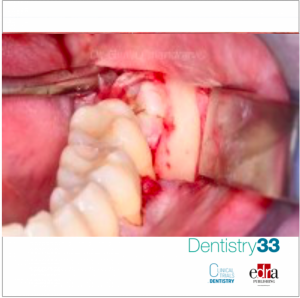
Reduction of postoperative discomfort after third molar surgery is of interest for all oral and maxillofacial surgeons and their patients. Various drugs have been considered in the attempt to...
Oral surgery 26 November 2021
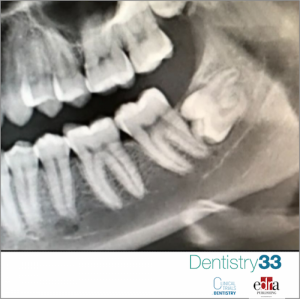
Impacted mandibular third molars (MTM) or in disodontiasis often cause various pathologies, such as pericoronitis, infections, caries of adjacent teeth, periodontitis, external root resorption and...
Read more
Products 21 September 2026
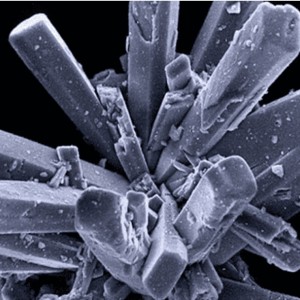
The OsteoGen™ Composite graft line uses the same biomimetic, bioactive crystal technology to harness the body’s ability to heal itself.
News 21 September 2026

The Aspen Group (TAG), a leading healthcare support organization headquartered in Chicago’s West Loop, today announced two key additions to its marketing leadership team: David Chr
News 21 September 2026

BlancOne® Click+ introduces a simple 10-minute professional teeth-whitening experience designed to integrate into existing hygiene appointments, helping dental practices create new
Editorials 21 September 2026

The new school year is in full swing at Texas A&M College of Dentistry, and that includes a host of faculty promotions and new hires and important happenings.
Endodontics 21 September 2026
This peer-reviewed endodontics article summarizes clinical evidence from Journal of dentistry (2026). It focuses on findings that may help dental professionals evaluate treatment decisions, patient...



Copyright © 2026 - All Rights Reserved
ISSN 2767-1178