


Mandibular Third Molar Extraction: Coronectomy to avoid IAN Injury
Alessandra Abbà
Surgical extraction of impacted mandibular third molar is a common treatment performed with a therapeutic or prophylactic aim. Complications associated with this practice are various; nonetheless, the most severe side effect is the damage of the Inferior Alveolar Nerve (IAN). In fact it can lead to temporary or permanent paresthesia, hypoesthesia or dysesthesia of the lower lip, teeth, gingiva and skin over the chin affecting the quality of life of the patient.
The most common risk factor is correlated to the proximity of the root to the IAN canal. One of the solution proposed to avoid the risk of this complication, is the coronectomy technique which consist in lefting the root of the teeth in the alveolar socket.
This study published on Journal of Clinical and Diagnostic Research wants to evaluate the effectiveness of this technique in patients with high risk for inferior alveolar nerve damage.
Matherials&Method:
18 patients between the age of 18 to 40 years and with the characteristic described above, were selected for this prospective clinical study. Twenty impacted third molars were evaluated both clinically and radiographically (no CT scan was taken).
After the subministration of anesthesia and the execution of the flap, the crown was sectioned transversely at the level of the cemento-enamel junction into crown and root and carefully fractured to avoid luxation of the root; the remaining roots were at least 2mm-3mm below the crest of the lingual and buccal side. For two years patients were evaluated regularly every six months for IAN deficit, lingual nerve deficit, pain, dry socket, infection or other complications.
Results:
The procedure was successfully performed on 18 third molars and two patients had failed coronectomy. All patients completed a minimum of two years follow up. One patient had pain on the soft tissue around the coronectomy site attributed to enamel lipping. One patient had post-operative paresthesia in the lateral border of tongue which resolved after a month. Radiographic evaluation showed coronectomy was adequate in 15 cases, bone formation around the retained roots were observed in 14 cases and root migration was observed in five cases at two year follow-up.
However none of the patients had IAN injury and none required second surgical removal. There was no incidence of post-operative infection and none required second surgical intervention.
Conclusins:
Coronectomy procedure is effective in reducing inferior alveolar nerve injury following third molar surgery, even in high risk cases. In fact it reduces morbidity and has very low incidence of complications. Although numerous studies supporting this theory, the procedure remains controversial due to the risk of infection and other complications arising from the roots left.
(Photocredit: Dr. Giulia Palandrani)
For additional information: Evaluation of Outcome Following Coronectomy for the Management of Mandibular Third Molars in Close Proximity to Inferior Alveolar Nerve.
 Related articles
Oral surgery 15 October 2026
This peer-reviewed oral surgery article summarizes clinical evidence from International journal of oral and maxillofacial surgery (2026). It focuses on findings that may help dental professionals...
Oral surgery 07 October 2026
This peer-reviewed oral surgery article summarizes clinical evidence from International journal of oral and maxillofacial surgery (2026). It focuses on findings that may help dental professionals...
Oral surgery 25 September 2026
This peer-reviewed oral surgery article summarizes clinical evidence from International journal of oral and maxillofacial surgery (2026). It focuses on findings that may help dental professionals...
Oral surgery 18 September 2026
This peer-reviewed oral surgery article summarizes clinical evidence from International journal of oral and maxillofacial surgery (2025). It focuses on findings that may help dental professionals...
Oral surgery 11 September 2026

This peer-reviewed oral surgery article summarizes clinical evidence from International journal of oral and maxillofacial surgery (2026). It focuses on findings that may help dental professionals...
Read more
Products 15 October 2026
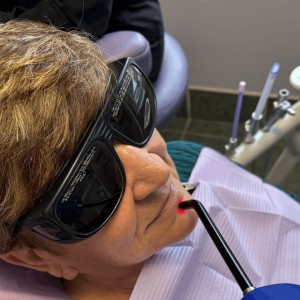
The belief in the healing power of light goes all the way back to ancient Egypt and the worship of Rah, the sun god.
Nearly half the world’s population is affected by oral disease—and the number of cases is rising.
News 15 October 2026

New office at 3170 R Street adds walk-in availability and same-day care options in a region where dental providers are in short supply

Each year, the University of Colorado Anschutz School of Dental Medicine (SDM) Excellence Awards recognize individuals whose dedication, leadership and innovation strengthen our mi
Oral surgery 15 October 2026
This peer-reviewed oral surgery article summarizes clinical evidence from International journal of oral and maxillofacial surgery (2026). It focuses on findings that may help dental professionals...



Copyright © 2026 - All Rights Reserved
ISSN 2767-1178