


The treatment of impacted mandibular second molars using brass wire: a prospective clinical study
Authors: Michele Cassetta, Federica Altieri

The impaction of the second mandibular molar (MM2) is an anomaly of the final stage of dental development recognizing several aetiological causes. The prevalence of impacted MM2 is between 0 and 2.3%, however, in the latest years a significant increase has been recorded. Early diagnosis reduces both the risk of MM2 inclusion and the difficulties of the therapeutic approach with the best treatment timing between 11 and 14 years of age, when MM2 root development is still incomplete. Treatment of these elements often requires a multidisciplinary approach involving orthodontic and surgical phases. The treatment choice is influenced by the degree of inclination of the MM2 and by the dental movement that the MM2 should perform. A slight tipping of MM2 can be corrected by inserting a brass thread between the first and second mandibular molars, while a more severe inclination requires more complex surgical and orthodontic treatments.
The primary objective of this prospective clinical study was to evaluate the efficacy of the technique with brass wire for the treatment of mesially-impacted MM2. The secondary objectives were: to deter- mine the influence of MM3 germectomy on MM2 disinclusion treatment time and to evaluate the impact of germectomy on the patient’s quality of life. It has been hy- pothesized that the method with brass wire is effective in MM2 uprighting and that MM3 germectomy reduces the treatment time without significantly affecting the patients quality of life.
MATERIALS AND METHODS
24 impacted MM2 were randomly as- signed to receive either a wire brass treatment with germectomy (group A) or without germectomy (group B). Oral Health-Related Quality of Life (OHRQ), part of the quality of life (QoL) and has been used to measure how many different oral health conditions affect quality of life. The most comprehensive tool currently available to the clinician to evaluate post-operative discomfort in the dental patient is the Oral Health Im- pact Profile (OHIP), a measure of dis- comfort arising from dental procedures and its influence on quality of life, correlated with oral cavity health, perceived by the patient (OHRQoL). Each patient, after being adequately educated, completed the OHIP questionnaire before the treatment (T1), after three (T2) or seven (T3) days after.
The anti-biofilm efficacy depends not on- ly on the active principle chosen, but also on the other compounds included in the formulation. They are supposed to be able to interact with the main ingredient and to power or reduce its antimicrobial effect. The creation of a more effective mouthwash with the association of CHX and a polymer able to create an adherent film on most oral tissues could be a helpful solution in controlling oral biofilm formation over time and promoting reduced bacteria growth on exposed surfaces.
RESULTS
In all cases the impaction was corrected. The paired comparisons between group A and group B showed no statistically significant difference in the treatment time and a statistically significant difference of OHRQoL.
DISCUSSION
The main hypothesis of this prospective clinical study was confirmed by the results. The technique with the brass wire has been proven to be effective in the treatment of impacted MM2 with an angle of inclination between 25° and 40° and with a depth of inclusion between 4 and 10 mm. The secondary hypotheses of the study have not been confirmed by the results since the MM3 germectomy does not reduce the treatment time and negatively influenced and the quality of oral health related life (OHRQoL), measured with OHIP.
CLINICAL SIGNIFICANCE
Surgical-orthodontic disinclusion with brass wire can be used effectively for MM2 moderately impacted (angle range 25-40°; inclusion depth range 4-10 mm). Germectomy of MM3 does not affect the treatment time, but is characterized by a negative impact on the quality of life associated with the oral health status (OHRQoL). Therefore, the extraction of the third lower molar germ is not indicated for the uprighting of the second lower molar if it is not otherwise deemed necessary.
 Related articles
Prosthodontics 23 May 2021
The clinical success of three-unit fixed prosthetic restorations in zirconia with 14-year follow-up

Zirconia (ZrO2) is a high-strength polycrystalline ceramic and is considered a suitable material for single crowns (SC) and fixed multi-unit dental prostheses (FDP), as it tolerates higher occlusal...
Read more
Products 14 October 2026
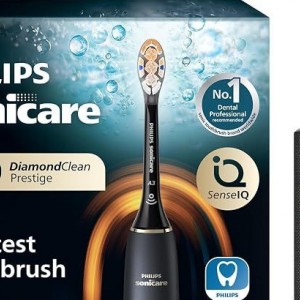
Royal Philips (NYSE: PHG, AEX: PHIA) announced that the Philips Sonicare Next-Generation DiamondClean 9900 Prestige, its most advanced and intelligent toothbrush to date, is now av

Key transaction by Heartland Dental and its supported practices expands opportunities for supported doctors, teams, and practices while strengthening Heartland Dental’s supported f
News 14 October 2026
Henry Schein Cares Celebrates 25 Years of Corporate Citizenship

Henry Schein Cares, Henry Schein, Inc.’s global corporate citizenship program, is celebrating a quarter century of bringing together Team Schein Members, customers, supplier partne
Editorials 14 October 2026
Scholarship at the CU Anschutz School of Dental Medicine reflects the collective contributions of our faculty, staff, residents and students.
Oral Hygiene & Prevention 14 October 2026
Propolis-containing formulations in caries prevention - a systematic review and meta-analysis.
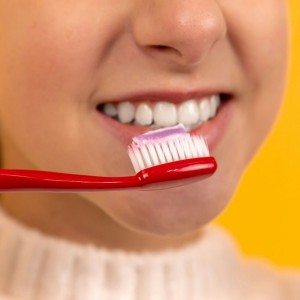
This peer-reviewed oral hygiene & prevention article summarizes clinical evidence from Clinical oral investigations (2026). It focuses on findings that may help dental professionals evaluate...



Copyright © 2026 - All Rights Reserved
ISSN 2767-1178