


Why is it recommended to perform an oral surgery in the morning?
Lara Figini

INTRODUCTION
Post-extraction or post-surgical bleeding, defined as continuous bleeding for more than 8-12 hours after dental extraction or an oral surgery, is a frequent complication in the dental practice with an incidence that may reach up to 26%. After tooth extraction (or any oral surgery) the extravascular tissue factor (TF) is released from the damaged endothelium. TF is known as the key initiator of coagulation cascade. In addition to blood, also the saliva is in constant contact with the wound. Saliva is also shown to contain TF, derived from the extracellular vesicle, able to trigger coagulation. Since the duration of post-extraction bleeding is highly variable among patients, in coagulation activity in addition to the influence of blood coagulation factors levels, the co-morbidities and the quality of hemostasis technique operated by the dentist can also intervene the variations in the induction of salivary TF.
MATERIALS AND METHODS
In an in vitro study, published in Research and Practice in Thrombosis and Haemostasis , the variability in the generation of thrombin (TG) induced by saliva in healthy individuals was evaluated. The analysis of the TG was performed according to the calibrated method of automated thrombinography (CAT). Diluted saliva, collected from healthy individuals at three times of the day - morning, afternoon and evening - was added to normal plasma (NPP) in the absence / presence of anti-TF antibodies.
RESULTS
Wide interindividual variability was observed in TG induced by saliva. The generation of TG-induced trombin was significantly increased in the morning compared with the afternoon and the evening. In particular these are the results:
- in the morning 167 ± 40 nmol / L of thrombin
- in the afternoon 124 ± 39 nmol / L of thrombin
- in the evening 123 ± 38 nmol / L thrombin. This diurnal variation was not attributable to gingival stimulation or damage induced by tooth brushing.
Furthermore, the addition of anti-TF antibodies eliminates TG induced by saliva, indicating TF dependence.
CONCLUSIONS
From the data emerged from this study a diurnal rhythm was identified in salivary TF activity that could have implications for tooth extraction and oral surgery. This allows to conclude that the execution of surgical procedures in the morning allows a more rapid coagulation.
For additional informations:
Van der Vorm LN, Brouwers JEI, Mondria C, de Laat B, de Groot PG, Remijn JA. Salivary tissue factor induces thrombin generation in a diurnal rhythm. Res Pract Thromb Haemost 2018 Jul 20;2(4):757-61.
Italian version: https://www.odontoiatria33.it/chirurgia-orale/17133/eseguire-gli-interventi-di-chirurgia-orale-al-mattino-uno-studio-olandese-conferma-che-il-processo-di-coagulazione-e-piu-rapido.html
 Related articles
Oral surgery 17 July 2026
This peer-reviewed oral surgery article summarizes clinical evidence from International journal of oral and maxillofacial surgery (2025). It focuses on findings that may help dental professionals...
Oral surgery 08 July 2026
This peer-reviewed oral surgery article summarizes clinical evidence from International journal of oral and maxillofacial surgery (2026). It focuses on findings that may help dental professionals...
Oral surgery 03 July 2026
This peer-reviewed oral surgery article summarizes clinical evidence from International journal of oral and maxillofacial surgery (2025). It focuses on findings that may help dental professionals...
Oral surgery 26 June 2026
This peer-reviewed oral surgery article summarizes clinical evidence from International journal of oral and maxillofacial surgery (2026). It focuses on findings that may help dental professionals...
Oral surgery 18 June 2026
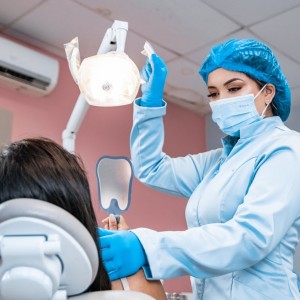
This peer-reviewed oral surgery article summarizes clinical evidence from International journal of oral and maxillofacial surgery (2026). It focuses on findings that may help dental professionals...
Read more
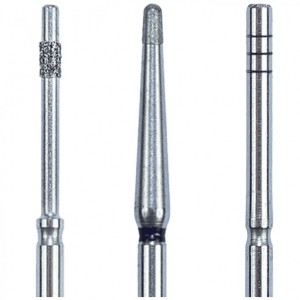
Eagle Crown Lengthening Burs are designed to make surgical precision effortless—helping clinicians expose more tooth structure smoothly, efficiently, and with total control.
News 17 July 2026
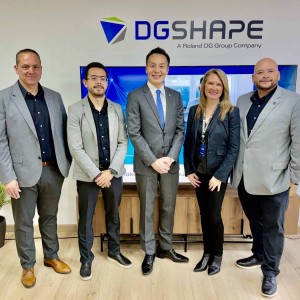
The new Bogotá, Colombia facility strengthens Roland DGA’s long-standing commitment to dental professionals and partners across the region.

New integration streamlines patient financing within CareStack’s practice management platform, making it easier for providers to help patients move forward with care.
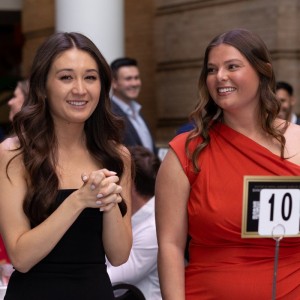
As the University of Colorado School of Dental Medicine celebrates the graduating DDS Class of 2025, we are proud to recognize the students and faculty members whose exceptional de
Oral surgery 17 July 2026
This peer-reviewed oral surgery article summarizes clinical evidence from International journal of oral and maxillofacial surgery (2025). It focuses on findings that may help dental professionals...



Copyright © 2026 - All Rights Reserved
ISSN 2767-1178