


Dental extractions in thrombocytopenic patients
Lara Figini
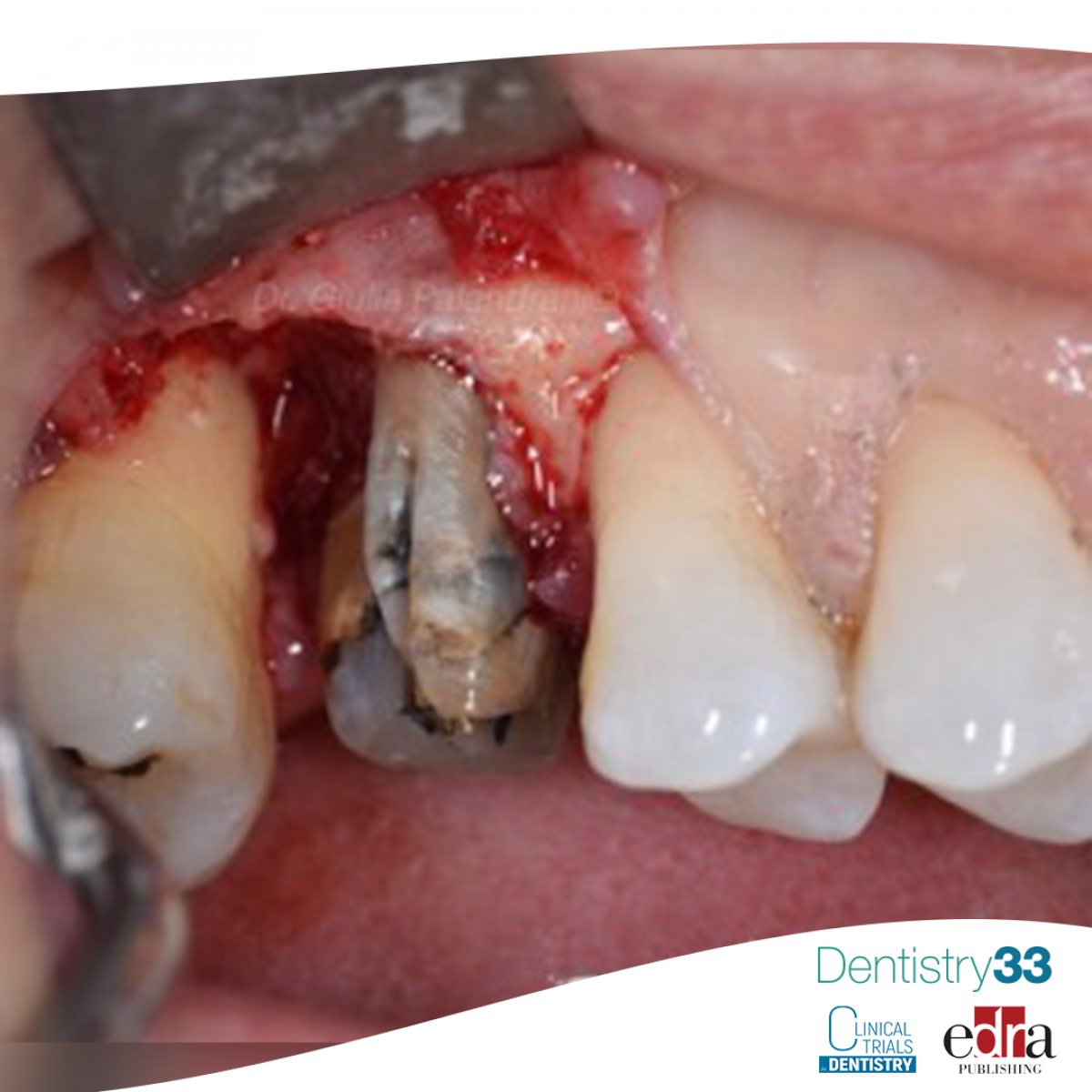
Thrombocytopenia is defined as such when a platelet count below 150,000 / mL appears and can be classified as:
- mild (platelet count between 100,000 / mL and 150,000 / mL), and is usually clinically insignificant,
- moderate (platelet count between 50,000 / mL and 100,000 / mL) e
- severe (platelet count <50,000 / mL).
Tooth extractions, particularly in patients with acquired or congenital thrombocytopenia, can present several complications, including prolonged or uncontrolled postoperative bleeding. Platelet transfusion is often used in clinical practice as a prophylactic or therapeutic measure to prevent or manage bleeding in thrombocytopenic patients, but its validity remains controversial and difficult to apply in a dental practice.
Materials and methods
In a retrospective study, published in OOO in May 2020, the authors evaluated the risk of postoperative bleeding after tooth extractions in patients with moderate to severe thrombocytopenia, investigated the correlation between prophylactic platelet transfusion and postoperative bleeding reduction, and sought to identify other factors associated with postoperative bleeding.
This retrospective cohort study involved patients with moderate to severe thrombocytopenia (100,000 / mL) who underwent tooth extractions at the Oral Medicine and Dentistry Clinic at Brigham and Women's Hospital in Boston from 2003 to 2019.
Patients with a platelet count <30,000 / mL received prophylactic platelet transfusions. The risk and type of bleeding was evaluated as a complication (prolonged postoperative bleeding requiring intervention with topical haemostatic agents and / or therapeutic platelet transfusions).
Results
Eighty-nine thrombocytopenic patients were identified. Post-extraction bleeding complications occurred in 4 patients (4.4%). Surgical extractions and multiple extractions were significantly associated with an increased risk of bleeding (P <.05), while prophylactic platelet transfusion and post-transfusion platelet count were not.
Conclusions
From the data emerging from this study, which must be confirmed in other similar studies, it can be concluded that dental extractions in patients with thrombocytopenia can be performed with a positive safety profile following a complete medical evaluation, a thorough treatment planning, An adequate surgical management, the use of local haemostatic measures, and, above all, coordination of care with the patient's medical team.
Clinical implications
In thrombocytopenic patients, the dentist can achieve successful management of post-extraction bleeding by adopting the correct haemostatic measures with the reserve of therapeutic platelet transfusion in case of severe bleeding.
For additional information: Bleeding risk in thrombocytopenic patients after dental extractions: a retrospective single-center study
 Read more

Continuous innovation across the DEXIS ecosystem helps clinicians work with greater clarity, confidence, and efficiency
News 23 October 2026

CrownPoint Partners announced the successful closing of a $9.2 million, five-property dental sale-leaseback portfolio located throughout Michigan.
News 23 October 2026
Dentsply Sirona, Midwest Dental Expand Technology Relationship

Beginning November 1, Dentsply Sirona will expand its long-standing relationship with Midwest Dental Equipment & Supply beyond consumables to include its complete technology portfo
Editorials 23 October 2026
Honoring Excellence: Graduation Awards for CU Anschutz Dental Students and Faculty

As the University of Colorado Anschutz School of Dental Medicine celebrates the graduating DDS Class of 2025, we are proud to recognize the students and faculty members whose excep
Implantology 23 October 2026

This peer-reviewed implantology article summarizes clinical evidence from Clinical oral implants research (2026). It focuses on findings that may help dental professionals evaluate treatment...



Copyright © 2026 - All Rights Reserved
ISSN 2767-1178