


Is there a correlation between burning mouth syndrome and the amount of saliva?
Lara Figini
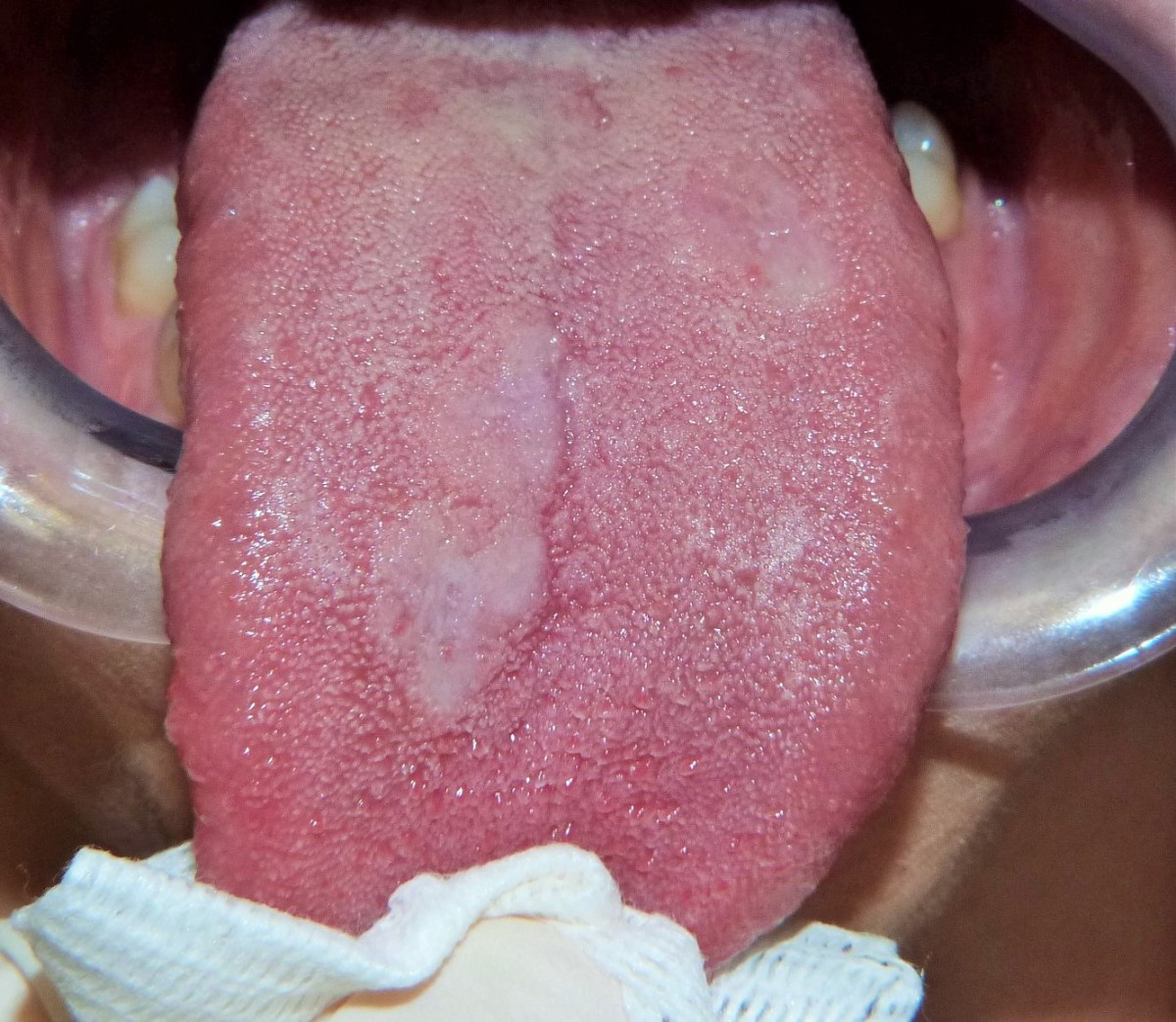
Burning mouth syndrome (BMS) is an idiopathic, chronic condition characterized by incessant oral burning or burning sensation, frequently accompanied by xerostomia, which does not manifest any detectable clinical mutation of the oral mucosa. In general, the average age of patients affected by this syndrome exceeds 60 years and the prevalence of the disease varies from 0.1% to 3.9% depending on the population. Women are 2 to 7 times more likely to have BMS than men. The cause of BMS is essentially unknown, but it is often debilitating for the patient. Given that saliva plays an important role in maintaining oral health homeostasis, researchers are investigating a correlation between BMS and salivary flow.
MATERIALS AND METHODS
In a recent study published in Oral Disease of November 2018 they tried to define objective measures for the diagnosis of BMS.
The main purpose of the study is to evaluate the presence of saliva at the level of the buccal, labial and lingual mucosa as well as the flow rates of unstimulated UWS saliva and SWS stimulated whole saliva in patients with BMS.
The secondary aim of the study is to evaluate the quantity of saliva in relation to systemic diseases, the use of drugs / drugs and the blood flow of the oral mucosa. The mucosal saliva of patients with BMS was evaluated using the Periotron® method and the blood flow of the oral mucosa using laser doppler flowmetry. Data have been recorded - obtained through questionnaires - about the concomitant systemic diseases, the intake of drugs or drugs by patients with BMS and the presence of xerostomia.
RESULTS
Patients with BMS have shown to have a lower amount of lingual and whole saliva, greater hyposalivation and greater consumption of drugs / drugs compared to the control group of healthy patients. Regression analyzes have suggested an important correlation between the amount of saliva and drug intake for lingual and SWS, and a correlation between the total number of drugs taken and the UWS. The amount of lingual saliva and the UWS have been shown to be associated with systemic diseases of patients; xerostomia is significantly associated with the use of drugs.
CONCLUSIONS
From the data emerged from the study, which must however be confirmed with other similar works, it can be concluded that in patients with BMS there is a lower quantity of saliva that could be related to other systemic diseases and to drugs taken by patients with BMS and not to the syndrome itself.
For additional informations:
Saliva on the oral mucosa and whole saliva in women diagnosed with burning mouth syndrome
 Tag
Tag
Related articles
Oral pathology 13 October 2026
This peer-reviewed oral pathology article summarizes clinical evidence from Oral oncology (2026). It focuses on findings that may help dental professionals evaluate treatment decisions, patient...
Oral pathology 06 October 2026
This peer-reviewed oral pathology article summarizes clinical evidence from Oral oncology (2026). It focuses on findings that may help dental professionals evaluate treatment decisions, patient...
Oral pathology 02 October 2026
This peer-reviewed oral pathology article summarizes clinical evidence from BMC oral health (2024). It focuses on findings that may help dental professionals evaluate treatment decisions, patient...
Oral pathology 29 September 2026
This peer-reviewed oral pathology article summarizes clinical evidence from Oral oncology (2026). It focuses on findings that may help dental professionals evaluate treatment decisions, patient...
Oral pathology 22 September 2026
This peer-reviewed oral pathology article summarizes clinical evidence from Oral oncology (2026). It focuses on findings that may help dental professionals evaluate treatment decisions, patient...
Read more

Continuous innovation across the DEXIS ecosystem helps clinicians work with greater clarity, confidence, and efficiency
News 23 October 2026
CrownPoint Partners announced the successful closing of a $9.2 million, five-property dental sale-leaseback portfolio located throughout Michigan.
News 23 October 2026
Dentsply Sirona, Midwest Dental Expand Technology Relationship
Beginning November 1, Dentsply Sirona will expand its long-standing relationship with Midwest Dental Equipment & Supply beyond consumables to include its complete technology portfo
Editorials 23 October 2026
Honoring Excellence: Graduation Awards for CU Anschutz Dental Students and Faculty

As the University of Colorado Anschutz School of Dental Medicine celebrates the graduating DDS Class of 2025, we are proud to recognize the students and faculty members whose excep
Implantology 23 October 2026
This peer-reviewed implantology article summarizes clinical evidence from Clinical oral implants research (2026). It focuses on findings that may help dental professionals evaluate treatment...



Copyright © 2026 - All Rights Reserved
ISSN 2767-1178