


Photobiomodulation preconditioning for oral mucositis prevention and quality of life improvement in chemotherapy patients: a randomized clinical trial.
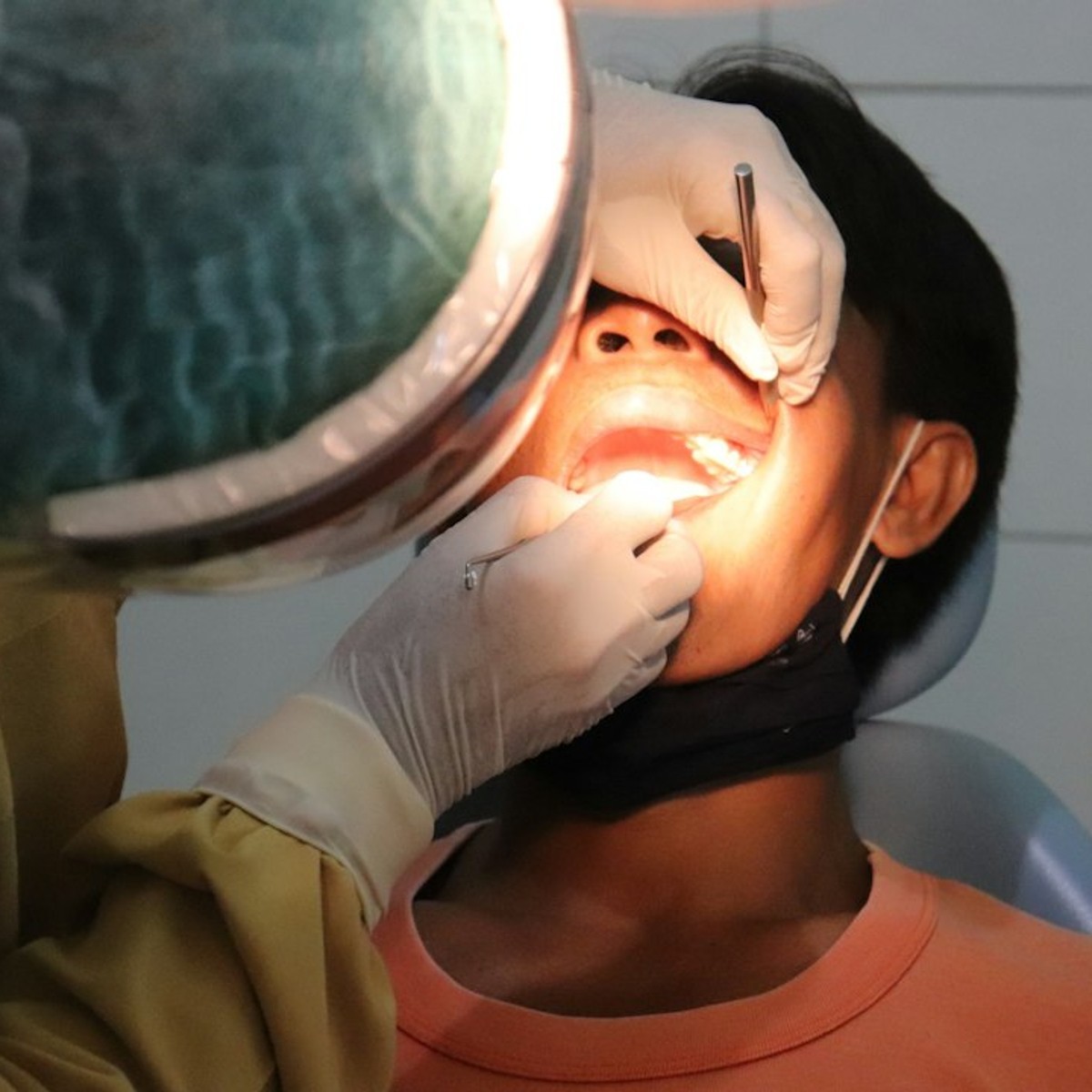
This peer-reviewed oral pathology article summarizes clinical evidence from BMC oral health (2025). It focuses on findings that may help dental professionals evaluate treatment decisions, patient outcomes, or clinical protocols.
Abstract
BACKGROUND: Given the suffering experienced by cancer patients, effective solutions must be found to prevent painful and debilitating side effects of anti-cancer treatment. This trial aims to study the effect of preconditioning with photobiomodulation in preventing oral mucositis and xerostomia in cancer patients undergoing chemotherapy alone for the first time, and to examine its role in improving patients' quality of life.
MATERIALS AND METHODS: This is a prospective, randomized, double-blind clinical trial including 45 patients divided into three age- and sex-matched groups. Group 1 received basic oral care instructions before undergoing chemotherapy. Group 2 received basic oral care instructions plus photobiomodulation using an intraoral 650 nm diode laser. Group 3 received basic oral care instructions plus photobiomodulation using a 650 nm diode laser intraorally and a 980 nm diode laser extraorally.
RESULTS: After one week of follow-up, 73.3% of patients in Group 2 and 80% in Group 3 did not develop oral mucositis. The remaining patients in both groups experienced only mild erythema. In contrast, all patients in Group 1 developed oral mucositis, ranging from mild erythema to ulceration greater than 3 cm². After two weeks of follow-up, 80% of patients in Group 2 and 86.7% in Group 3 remained free of oral mucositis. The remaining patients in both groups experienced only mild erythema. In contrast, 93.3% of patients in Group 1 developed oral mucositis, with cases ranging from mild erythema to ulcers larger than 3 cm². There were statistically significant differences between the three groups in oral mucositis assessment scale after one week and after two weeks (p < 0.001). Specifically, ulcerative mucositis was not observed in both laser groups, while it was observed in 13.3% of patients in Group 1. However, these differences were not statistically significant (p = 0.129). Regarding Late Effects in Normal Tissue (LENT-SOMA) scale, there was a statistically significant difference between the three groups studied (p = 0.037). There was also a statistically significant difference in the Oral Health Impact Profile (OHIP-14) between the three groups studied (p = 0.003 after one week, p = 0.023 after two weeks).
CONCLUSION: Preconditioning before starting chemotherapy, whether with the intraoral red laser alone or in combination with the extraoral infrared laser, has shown significant results in preventing oral mucositis and dry mouth, and it has also played a major role in improving patients' quality of life.
TRIAL REGISTRATION: This trial was registered in ISRCTN registry under no ISRCTN70634383 ( https://doi.org/10.1186/ISRCTN70634383 ) on 24/07/2023.
Key takeaway
Key takeaway: Because the evidence comes from a clinical trial design, the findings may be especially useful when comparing treatment approaches in daily practice.
Introduction from full text
Distinct wavelengths of light have been known to have various biological effects on humans. Ultraviolet-B radiation promotes vitamin D synthesis and visible light has important effects on circadian rhythm entrainment and alertness. For more than three thousand years, sunlight has been used as a medical treatment for a variety of diseases by the ancient Egyptians, Indian Ayurveda and traditional Chinese medicine, but it is only since the invention of the electric light in the latter part of the 19th century, that an alternative has emerged.
Since the beginning of the 21st century, over 2000 PubMed-indexed scientific articles have also been published focusing on the various physiological effects of red light and near-infrared radiation. These wavelengths of light have been shown to penetrate through human tissues and to locally (and possibly systemically) affect cellular metabolism, cellular signaling, inflammatory processes and growth factor production.
This treatment is nowadays called “photobiomodulation therapy” (PBM), but it has also had more than 60 other names in the scientific literature; “low-level laser therapy” (LLLT) has been the most commonly used term. The reasons to prefer the use of “PBM” over “LLLT” are twofold [ 1 ]. Firstly PBM does not imply that a laser is necessary for the therapeutic benefits to occur. Secondly PBM implies that the therapeutic effects could in some circumstances be due to inhibition effects, as well as to the more usual stimulation effects.
Table 1 illustrates various medical conditions (or their animal models), for which PBM has already been investigated, in animals and/or clinical human studies. These indications include a multitude of diseases of brain, bone, eyes, internal organs, connective tissue, skin and muscles. Most of the published results have been positive. More than 40 clinical studies are currently underway based on information currently available in the ClinicalTrials.gov database.
Peer-reviewed source
Marwa Khalil, Omar Hamadah, Maher Saifo
BMC oral health. 2025
DOI: 10.1007/s10103-023-03760-y
PMID: 39910516
PubMed: https://pubmed.ncbi.nlm.nih.gov/39910516/
Image: Mufid Majnun (Unsplash)
 Related articles
Oral pathology 03 November 2026
This peer-reviewed oral pathology article summarizes clinical evidence from BMC oral health (2026). It focuses on findings that may help dental professionals evaluate treatment decisions, patient...
Oral pathology 13 October 2026
This peer-reviewed oral pathology article summarizes clinical evidence from Oral oncology (2026). It focuses on findings that may help dental professionals evaluate treatment decisions, patient...
Oral pathology 06 October 2026
This peer-reviewed oral pathology article summarizes clinical evidence from Oral oncology (2026). It focuses on findings that may help dental professionals evaluate treatment decisions, patient...
Oral pathology 02 October 2026
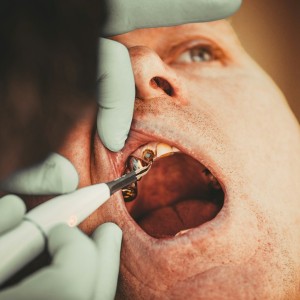
This peer-reviewed oral pathology article summarizes clinical evidence from BMC oral health (2024). It focuses on findings that may help dental professionals evaluate treatment decisions, patient...
Oral pathology 29 September 2026
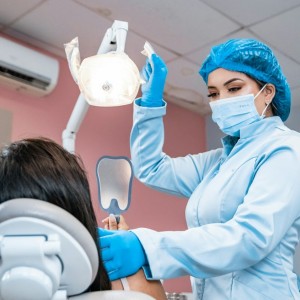
This peer-reviewed oral pathology article summarizes clinical evidence from Oral oncology (2026). It focuses on findings that may help dental professionals evaluate treatment decisions, patient...
Read more
Products 09 November 2026

It is with profound sadness that Millennium Dental Technologies and the Institute for Advanced Laser Dentistry (IALD) mourn the passing of Professor Raymond A.
News 09 November 2026
News 09 November 2026
Aspen Dental Offers Veterans Free Dental Savings Plan Enrollment

Aspen Dental announces free Aspen Dental Savings Plan enrollment in November and expanded benefits for VFW members
Editorials 09 November 2026
Nominate someone for the IU Pediatric Dentistry Distinguished Alumni Award

Nominations are now being accepted for the IU Pediatric Dentistry Distinguished Alumni Award.
Europe 08 November 2026 - 30 November -0001
The EuroPerio 2027 will take place from May 12, 2027 to May 15, 2027 in TBD, Rotating Europe, offering dental professionals a focused environment for continuing education, clinical updates and...


Copyright © 2026 - All Rights Reserved
ISSN 2767-1178