


Odontogenic sinusitis in immunosuppressed patient: a case report and literature review
Authors: Christian Bacci; Vlatko Prosenikliev; Sara Munari; Mariagrazia Boccuto, Carmela Gurrieri; Marco Pizzi; Enzo Emanuelli
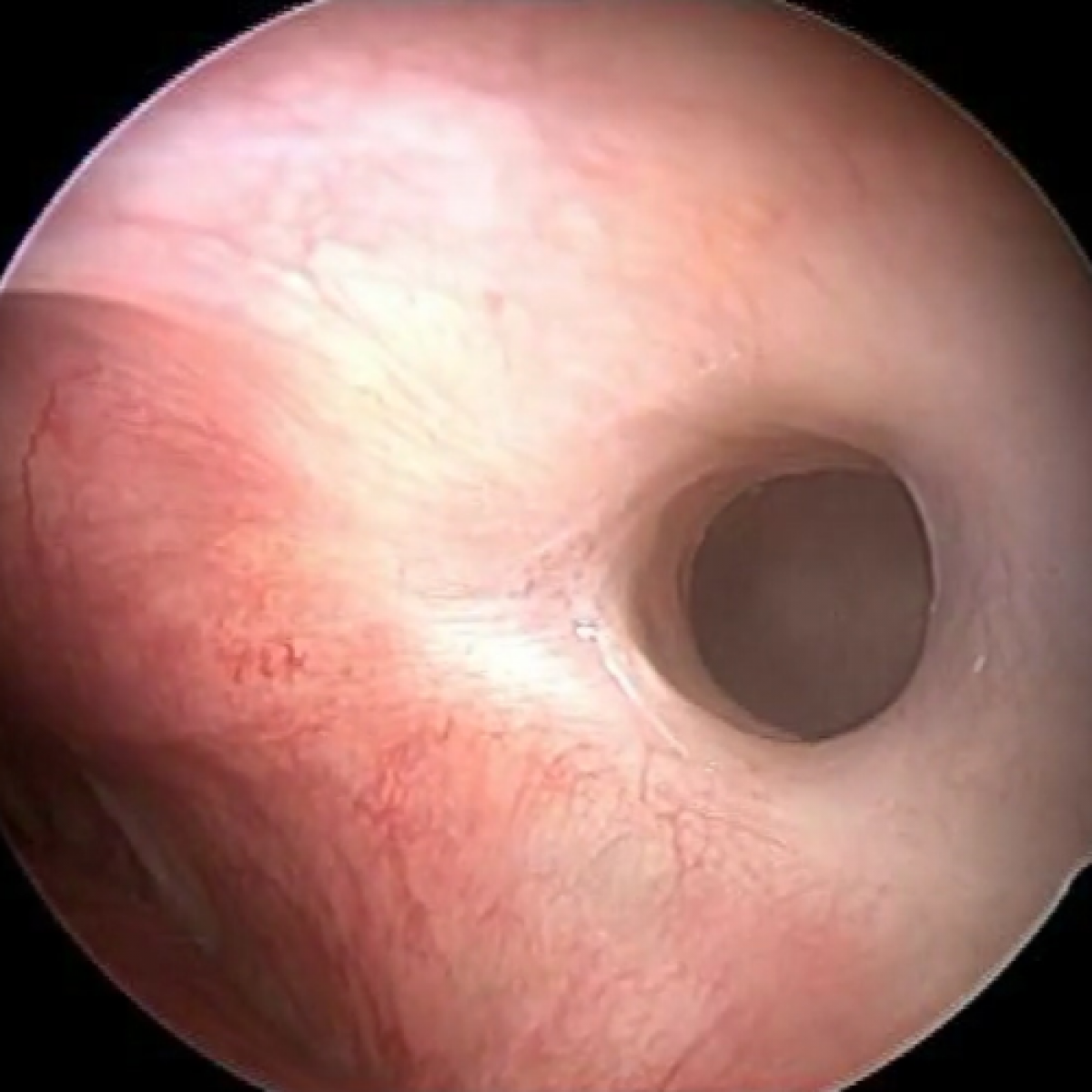
Objectives: to describe a complex multidisciplinary case.
Materials and Methods: Odontogenic sinusitis accounts for about 10% of all cases of sinusitis. The incidence of sinusitis rises dramatically in immunosuppressed patients, frequently requiring a combination of medical and surgical therapy. To the best of our knowledge, this is the first case report to be published regarding the management of odontogenic maxillary sinusitis in an immunosuppressed patient.
A 72-year-old female came to our tertiary referral hospital with profound asthenia and slowly-resolving hematomas of the lower limbs.
Neturopoenia was also present.
She was diagnosed with acute myeloid leukemia (AML) on bone marrow examination, showing maturation arrest of the medullary series, and consequent neutropenia, myeloid blasts were 33% of total cellular amount. A paranasal sinus CT scan performed for nasal obstruction revealed complete obliteration of the left maxillary, frontal and ethmoidal sinus, with obstruction of the ostiomeatal complex, and the presence of a dental implant in the left alveolar bone. Nasal endoscopy confirmed ostiomeatal obstruction with purulent secretions in the medial meatus. An OPT and odontoiatric assessment led to the diagnosis of peri-implantitis. The mandatory treatment for her AML was chemotherapy, which could only be performed in the absence of widespread inflammatory or infectious conditions.
The patient therefore underwent a combined simultaneous surgical treatment under general anesthesia involving functional endoscopic sinus surgery (FESS) performed jointly by an ENT surgeon and an oral surgeon who implemented an intraoral approach.
During the intraoral part of the surgical procedure, a maxillary nerve blockage was performed through the greater palatine canal, under paraperiosteal local anesthesia of teeth 2.4, 2.5 and 2.6. A full-thickness trapezoidal flap was incised and elevated, revealing that two of the three implants were not osteointegrated, while the third was partially osteointegrated. All three implants were removed with a minimal osteotomy. Granulation tissue was also removed and sent for histological examination. Bichat’s bulla was isolated, left pedicled and rotated to form the deep first layer. After periosteal incision, a mucosal flap was advanced and used to form the second layer, using an absorbable suture.
Complete left uncinectomy, medial antrostomy, dranage of the purulent secretions from the sinus, frontal sinusotomy and ethmoidectomy were performed. Granulation tissue was also removed from the maxillary sinus and sent for histological examination.
Histology of the surgical specimens showed mucosal edema with lymphoplasmacytic cell inflammation of the subepithelial connective tissue associated with the aggregation of myeloid blasts. PAS-D staining showed no growth of fungal spores, and microbiological examination revealed growth of a multiresistant Klebsiella pneumoniae.
Postoperative antibiotic therapy was administered and, 10 days after surgery, the patient started chemotherapy.
A combined, multidisciplinary, endoscopic and intra-oral surgical treatment was adopted, aiming to avoid any severe complications and any need to delay the initiation of chemotherapy.
Results and Conclusions: The outcome of our surgical approach was excellent, proving an appropriate solution for managing odontogenic sinusitis in this immunosuppressed patient.
Clinical relevance: It is fundamental a team cooperation treating complex patients.
 Related articles
Oral pathology 13 October 2026
This peer-reviewed oral pathology article summarizes clinical evidence from Oral oncology (2026). It focuses on findings that may help dental professionals evaluate treatment decisions, patient...
Oral pathology 06 October 2026
This peer-reviewed oral pathology article summarizes clinical evidence from Oral oncology (2026). It focuses on findings that may help dental professionals evaluate treatment decisions, patient...
Oral pathology 02 October 2026
This peer-reviewed oral pathology article summarizes clinical evidence from BMC oral health (2024). It focuses on findings that may help dental professionals evaluate treatment decisions, patient...
Oral pathology 29 September 2026
This peer-reviewed oral pathology article summarizes clinical evidence from Oral oncology (2026). It focuses on findings that may help dental professionals evaluate treatment decisions, patient...
Oral pathology 22 September 2026
This peer-reviewed oral pathology article summarizes clinical evidence from Oral oncology (2026). It focuses on findings that may help dental professionals evaluate treatment decisions, patient...
Read more
Products 14 October 2026
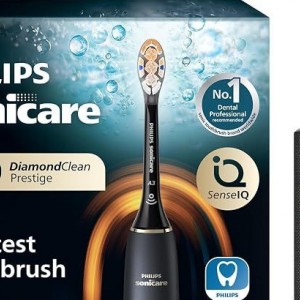
Royal Philips (NYSE: PHG, AEX: PHIA) announced that the Philips Sonicare Next-Generation DiamondClean 9900 Prestige, its most advanced and intelligent toothbrush to date, is now av

Key transaction by Heartland Dental and its supported practices expands opportunities for supported doctors, teams, and practices while strengthening Heartland Dental’s supported f
News 14 October 2026
Henry Schein Cares Celebrates 25 Years of Corporate Citizenship

Henry Schein Cares, Henry Schein, Inc.’s global corporate citizenship program, is celebrating a quarter century of bringing together Team Schein Members, customers, supplier partne
Editorials 14 October 2026
Scholarship at the CU Anschutz School of Dental Medicine reflects the collective contributions of our faculty, staff, residents and students.
Oral Hygiene & Prevention 14 October 2026
Propolis-containing formulations in caries prevention - a systematic review and meta-analysis.
This peer-reviewed oral hygiene & prevention article summarizes clinical evidence from Clinical oral investigations (2026). It focuses on findings that may help dental professionals evaluate...



Copyright © 2026 - All Rights Reserved
ISSN 2767-1178