


Could oral health care professionals help increase HPV vaccination rates?
In a new study led by Eleanor Murray, an assistant professor at Boston University School of Public Health, a research team explored whether oral health care professionals could contribute to the prevention of human papillomavirus (HPV) – related oropharyngeal and other cancers by engaging patients in conversations about HPV vaccination.
The team said evidence exists that oral health care professionals are interested in improving vaccine uptake to prevent oropharyngeal cancer.
The scoping review published Dec. 8, 2022, in the Journal of the American Dental Association (JADA), evaluated oral health care provider knowledge of, and discussion related to, HPV prevention, transmission and associated risks, including oropharyngeal cancer. The research team outlined barriers to and facilitators of this knowledge. In addition, researchers sought to determine the potential population that could be reached by an oral health care provider, evaluating the prevalence of HPV vaccination as well as dental visits in a U.S. population.
Studies reviewed
Four databases — MEDLINE [PubMed], EMBASE, APA PsycInfo, Cumulative Index to Nursing and Allied Health Literature — were systematically searched for studies written in English and conducted in the U.S. The team analyzed Behavioral Risk Factor Surveillance System 2018 data to evaluate the prevalence of HPV vaccination and dental visits among patients aged 18 through 49 years.
Results
Twenty-four studies were included in this review. Knowledge regarding HPV prevalence, transmission, disease processes and risks varied. In general, discussions related to HPV in dental settings were infrequent. The research team identified guidance from professional dental organizations, education and communication skills as ways to improve knowledge and discussion. Most people who are not vaccinated have visited their oral health care providers in the past year, highlighting the potential role of oral health care providers regarding discussion of HPV and promoting awareness and acceptance of vaccination.
Conclusions and practical implications
Researchers concluded that evidence exists supporting the interest of oral health care professionals in improving vaccine uptake to prevent oropharyngeal cancer.
Sharon M. Casey, Taylor Paiva, Rebecca B. Perkins, Alessandro Villa, Eleanor J. Murray. "Could oral health care professionals help increase human papillomavirus vaccination rates by engaging patients in discussions?" JADA. December 08, 2022. DOI: https://doi.org/10.1016/j.adaj.2022.09.014
 Related articles
The Oral Health Foundation released new data on the alarming increase in the UK of the number of new mouth cancer cases.
Oral Hygiene & Prevention 17 March 2023

Researchers examined adults’ perceptions about the importance of the human papillomavirus (HPV) vaccine in preventing oropharyngeal cancers and dental care providers’ role in HPV prevention and...
News 03 April 2023
This year an estimated 54,600 new cases of oral cancer will be diagnosed in the U.S. Of those individuals, 43 percent will not survive longer than five years, and many who do survive suffer long-term...
USA 03 November 2022
Sponsored by the Dental Society of Western Pennsylvania
The Dental Society of Western Pennsylvania will offer continuing education lectures at this year's Three Rivers Dental Conference.
News 23 September 2026
Growing national network helps patients find local dentists trained to provide oral appliance therapy for obstructive sleep apnea.
Read more
Products 15 October 2026
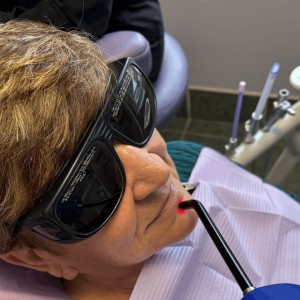
The belief in the healing power of light goes all the way back to ancient Egypt and the worship of Rah, the sun god.
Nearly half the world’s population is affected by oral disease—and the number of cases is rising.
News 15 October 2026

New office at 3170 R Street adds walk-in availability and same-day care options in a region where dental providers are in short supply

Each year, the University of Colorado Anschutz School of Dental Medicine (SDM) Excellence Awards recognize individuals whose dedication, leadership and innovation strengthen our mi
Oral surgery 15 October 2026
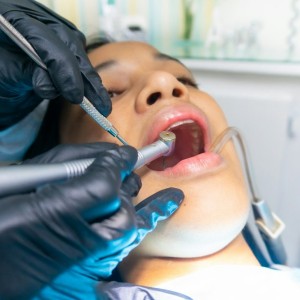
This peer-reviewed oral surgery article summarizes clinical evidence from International journal of oral and maxillofacial surgery (2026). It focuses on findings that may help dental professionals...


Copyright © 2026 - All Rights Reserved
ISSN 2767-1178