


Assessing the Translation of Research and Innovation into Dental Practice

Introduction:
Over the past 100 y, there have been an unprecedented number of innovations that have improved oral health and functioning. Variations in lag times between discovery and clinical adoption are related to dentist education, the clinical availability of technology, and the perceived value of an innovation.
Objectives:
The purposes of this cross-sectional study were 1) catalogue research discoveries and innovations over the past 30 y and 2) from that list identify those which practicing dentists believe have maximally affected patient care.
Methods:
Thirty International Association for Dental Research leaders identified innovations over the past 30 y that have significantly affected dental care. The 30 most cited innovations were included in a questionnaire that was sent to a random sample of US dentists who graduated dental school during or before 1995 (before the recency of identified discoveries) and devoted ≥50% of their time to patient care. Eighty-two percent of respondents identified as general dentists and 18% as specialists. Respondents were asked to identify 5 to 7 items whose loss would have the most adverse effects on patient care.
Results:
The most cited advances were adhesive dental materials (74.5%), dental implants (71.9%), direct bonding systems (71.2%), dental loupes (54.7%), universal precautions for infection control (48.6%), and digital imaging (46.0%). There were differences in the ranking of responses between generalists and specialists. For the oral surgeons and periodontists (OMSPER, n = 51), top choices were dental implants (82%), cone beam computed tomography (CBCT) imaging (74%), regenerative dentistry and tissue engineering (68%), universal precautions (58%), digital imaging (56%), and dental loupes (48%).
Conclusions:
There was agreement among generalists and specialists about the importance of dental implants, digital imaging, use of dental loupes, and universal precautions in improving patient care. However, generalists also cited the importance of adhesive dental materials and bonding, and OMSPER cited CBCT and biological-based tissue restoration as major advances.
Knowledge Transfer Statement:
Many advances in dental patient care capitalize on innovations and technologies that have emerged after dentists graduate from dental school. Adoption of new technologies is influenced by information acquired from professional journals, continuing education, industry marketing activities, and interactions with colleagues. The results of this study suggest that innovations that are directly related to clinical procedures were rated most impactful. Future research should consider cost-effectiveness and patient perceptions on the impact of innovations and technologies.
Authors: M.W. Heft, C.H. Fox, R.P. Duncan
Source: https://journals.sagepub.com/
 Related articles
Editorials 16 August 2024
Dr. Modupe Coker Joins Penn Dental Medicine as Assistant Dean of Clinical and Translational Research

After a national search, Penn Dental Medicine welcomes Dr. Modupe Coker as Assistant Dean of Clinical and Translational Research and Associate Professor with tenure in the Department of Basic and...

The 2023 SCADA Awards (Student Competition for Advancing Dental Research and its Application), co-sponsored by Dentsply Sirona and the American Association for Dental, Oral & Craniofacial Research,...
News 27 May 2022

University of the Pacific’s Arthur A. Dugoni School of Dentistry has launched the Center for Innovation and Translation to drive new clinical research partnerships supporting the oral and overall health of people in the United States and beyond.
The school will bring together internal and external collaborators to develop innovative practices and translate clinical research to improve oral health care.The Dugoni School’s location in the...
Implantology 04 September 2026
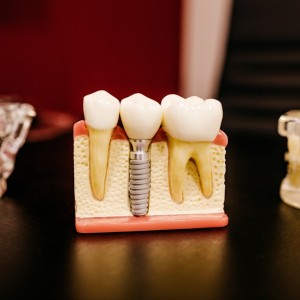
This peer-reviewed implantology article summarizes clinical evidence from Clinical oral implants research (2026). It focuses on findings that may help dental professionals evaluate treatment...
Implantology 20 August 2026
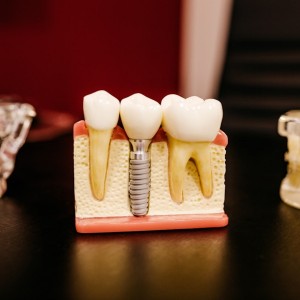
This peer-reviewed implantology article summarizes clinical evidence from Clinical oral implants research (2026). It focuses on findings that may help dental professionals evaluate treatment...
Read more
Products 14 October 2026
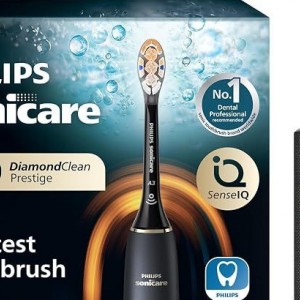
Royal Philips (NYSE: PHG, AEX: PHIA) announced that the Philips Sonicare Next-Generation DiamondClean 9900 Prestige, its most advanced and intelligent toothbrush to date, is now av

Key transaction by Heartland Dental and its supported practices expands opportunities for supported doctors, teams, and practices while strengthening Heartland Dental’s supported f
News 14 October 2026
Henry Schein Cares Celebrates 25 Years of Corporate Citizenship
Henry Schein Cares, Henry Schein, Inc.’s global corporate citizenship program, is celebrating a quarter century of bringing together Team Schein Members, customers, supplier partne
Editorials 14 October 2026
Scholarship at the CU Anschutz School of Dental Medicine reflects the collective contributions of our faculty, staff, residents and students.
Oral Hygiene & Prevention 14 October 2026
Propolis-containing formulations in caries prevention - a systematic review and meta-analysis.
This peer-reviewed oral hygiene & prevention article summarizes clinical evidence from Clinical oral investigations (2026). It focuses on findings that may help dental professionals evaluate...


Copyright © 2026 - All Rights Reserved
ISSN 2767-1178