


Dental management of patient with Williams Syndrome - A case report
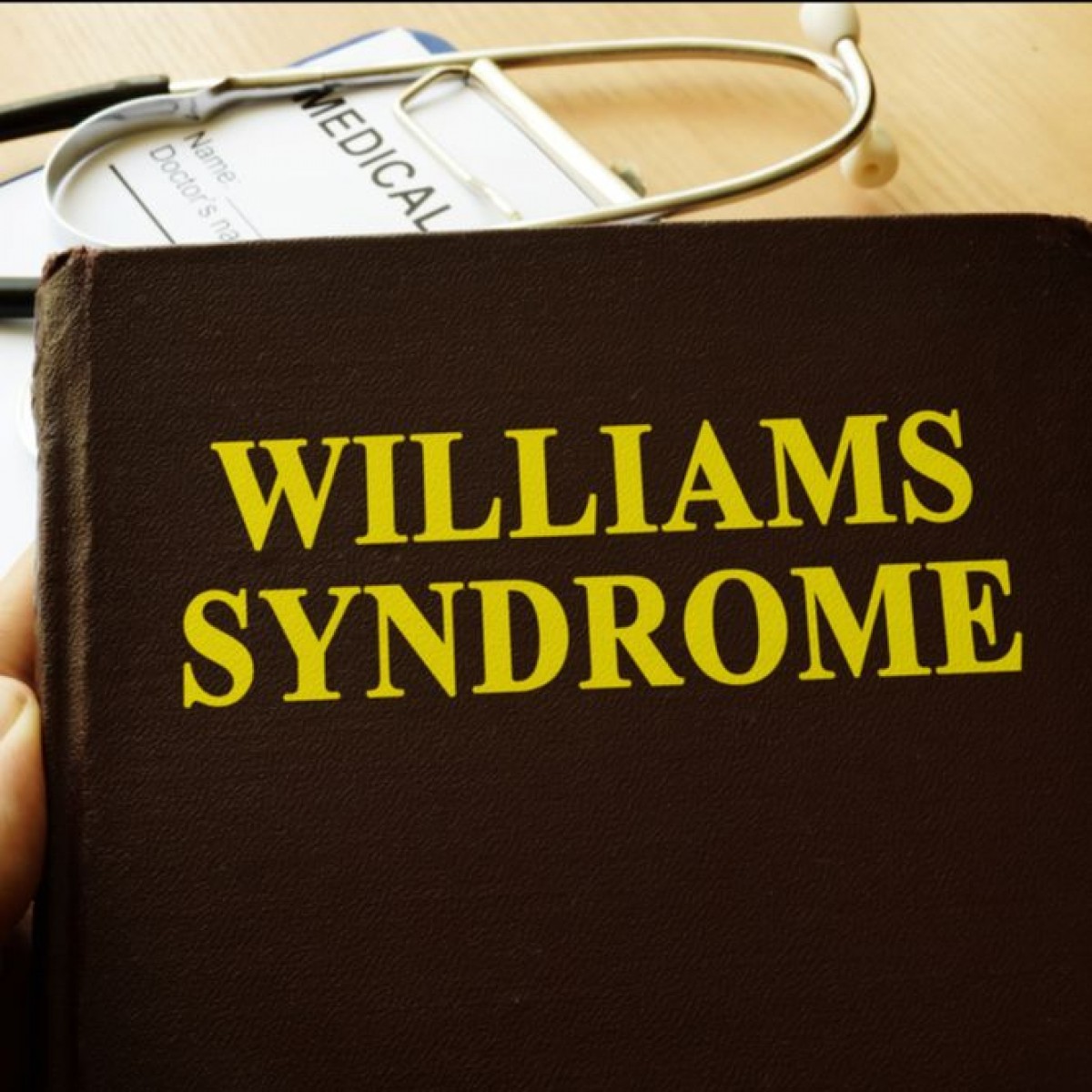
Williams syndrome is a multisystemic rare genetic disorder caused by deletion of 26–28 genes in the long arm of chromosome 7. It is characterized by developmental and physical abnormalities including congenital cardiovascular abnormalities, mental retardation, neurological features, growth deficiency, genitourinary manifestations, gastrointestinal problems, musculoskeletal problems, unique behavioral characteristics, and dental problems. Dental abnormalities include malocclusion, hypodontia, malformed teeth, taurodontism, pulp stones, increased space between teeth, enamel hypoplasia, and high prevalence of dental caries. Authors report a 17-year-old female patient with underlying Williams syndrome. Oral features and problems seen in the patient are listed. Malocclusion and screwdriver shaped teeth were noticed. Generalized widening of the periodontal ligament space with vital teeth was seen. This finding has not been reported in cases of Williams syndrome earlier. Precautions taken during dental treatment in patients with Williams syndrome are also discussed.
Introduction
Williams syndrome is a multisystemic rare genomic disorder that was first described, in 1961, by a cardiologist from New Zealand, Dr. J.C.P. Williams.[1] This syndrome is also called as Williams-Beuren syndrome after Dr. A J Beuren from Germany.[2] Williams syndrome is caused by a deletion of 26–28 genes in the long arm of chromosome 7 at 7q11.23. The deletion occurs at the time of conception. Williams syndrome has a prevalence rate of 1 in 10,000 individuals[3] to 1 in 25,000 individuals in certain ethnicities.[4] It is characterized by a number of developmental and physical abnormalities including congenital cardiovascular abnormalities, mental retardation, neurological features, growth deficiency, genitourinary manifestations, gastrointestinal problems, musculoskeletal problems, unique behavioral characteristics, and dental problems. Williams syndrome is usually diagnosed by fluorescent in situ hybridization (FISH) test, multiplex ligation-dependent probe amplification, or chromosome microarray, which detects the deletion of elastin gene on the long arm of chromosome 7.[4]
Studies have reported increased frequency of dental abnormalities in Williams syndrome, including malocclusion, hypodontia, malformed teeth, taurodontism, pulp stones, increased space between teeth, enamel hypoplasia, and high prevalence of dental caries. Because of these anomalies, the dentist contributes significantly to the successful overall management of these patients.[5] The presence of underlying medical disorders such as cardiovascular problems, hypertension, hypercalcemia, and kidney aliments may necessitate certain changes in the treatment protocol to be followed by the dentist.[6] In spite of the major advances in the diagnosis and possible supportive care for patients with Williams syndrome, the risk of sudden death still exists.[7] The risk of sudden cardiac death is 25–100 times greater in patients with Williams syndrome compared to the general population. The dental clinician should be knowledgeable of the precautions and protocol to be followed while treating patients with Williams syndrome. Authors report the dental features and conditions in a 17-year-old female patient with Williams syndrome.
Authors: Wong, Daniel; Ramachandra, Srinivas Sulugodu; Singh, Ashish Kumar
Source: https://journals.lww.com/
 Related articles
News 15 May 2025

Straine Dental Management (SDM) is elevating its California footprint with the strategic addition of the acclaimed Regents Dental Group to its network of premium dental practices.
News 09 April 2025

Straine Dental Management (SDM) continues to emerge as one of the most distinctive and sought-after operators in the Dental Services Organization (DSO) space.
News 19 March 2025

Straine Dental Management (SDM), the nation’s premier dentist-owned and dentist-led dental services organization (DSO), proudly announces a significant milestone: the acquisition of five...
Products 22 January 2025
Branford Castle Acquires Eastern Dental Management From Staple Street Capital

Branford Castle Partners, a North American-focused private equity firm, recently announced that it has acquired Eastern Dental Management (the “company”), a leading dental services organization,...
Oral Hygiene & Prevention 16 July 2024
Dental Management of Ectodermal Dysplasia: Two Clinical Case Reports

Ectodermal dysplasia is a hereditary disorder associated with abnormal development of embryonic ectodermally-derived organs including teeth, nails, hair and sweat glands.
Read more
Products 15 October 2026
The belief in the healing power of light goes all the way back to ancient Egypt and the worship of Rah, the sun god.
Nearly half the world’s population is affected by oral disease—and the number of cases is rising.
News 15 October 2026

New office at 3170 R Street adds walk-in availability and same-day care options in a region where dental providers are in short supply

Each year, the University of Colorado Anschutz School of Dental Medicine (SDM) Excellence Awards recognize individuals whose dedication, leadership and innovation strengthen our mi
Oral surgery 15 October 2026
This peer-reviewed oral surgery article summarizes clinical evidence from International journal of oral and maxillofacial surgery (2026). It focuses on findings that may help dental professionals...



Copyright © 2026 - All Rights Reserved
ISSN 2767-1178