


Treating COVID-19-associated taste, saliva secretory disorders

Since the worldwide spread of severe acute respiratory syndrome coronavirus 2 (SARS-CoV-2) infection, treating taste and saliva secretory disorders associated with coronavirus disease 2019 (COVID-19) has become a critical issue. The aim of the present study was to update information on treatments applicable to such oral symptoms and discuss their pathogenic mechanisms.
The literature search indicated that different treatments using tetracycline, corticosteroids, zinc, stellate ganglion block, phytochemical curcumin, traditional herbal medicine, nutraceutical vitamin D, photobiomodulation, antiviral drugs, malic acid sialagogue, chewing gum, acupuncture or moxibustion have potential effects on COVID-19-associated ageusia/dysgeusia/hypogeusia and xerostomia/dry mouth/hyposalivation.
These treatments have multiple modes of action on viral cellular entry and replication, cell proliferation and differentiation, immunity or SARS-CoV-2 infection-induced pathological conditions such as inflammation, cytokine storm, pyroptosis, neuropathy, zinc dyshomeostasis and dysautonomia.
An understanding of currently available treatment options is required for dental professionals because they may treat patients who were infected with SARS-CoV-2 or who recovered from COVID-19 and become aware of their abnormal taste and salivary secretion. By doing so, dentists and dental hygienists could play a crucial role in managing COVID-19 oral symptoms and contribute to improving the oral health-related quality of life of the relevant patients.
Hironori Tsuchiya. "Treatments of COVID-19-Associated Taste and Saliva Secretory Disorders." Dent. J. 2023, 11(6), 140. 25 May 2023. https://doi.org/10.3390/dj11060140.
 Related articles
Digital Dentistry 17 June 2025
Clinical relevance of digital dentistry during COVID-19 outbreak: a scoped review

o perform a scoped literature review on advantages of digital workflows in dentistry that could be widely adopted to address safety issues raised during the coronavirus (COVID-19) pandemic.
Oral pathology 23 December 2024
Oral Pathology in COVID-19 and SARS-CoV-2 Infection—Molecular Aspects

This review article was designed to evaluate the existing evidence related to the molecular processes of SARS-CoV-2 infection in the oral cavity.
Oral Hygiene & Prevention 07 August 2024
Dental Patient Management in the Context of the COVID-19 Pandemic: Current Literature Mini-Review

Considering dental data gain associated with COVID-19 in the last few months of 2020, it is highly important to provide an assertive critical literature review with the categorization and...
News 19 September 2023
Dentists report insurance reimbursement rates decreased: ADA research

Dentists report that dental insurance reimbursement rates have decreased over a span of 12 months, according to the August Economic Outlook and Emerging Issues in Dentistry poll from the ADA Health...
News 15 September 2023
Procter & Gamble, Colgate, GSK drive strong growth in oral care market: report
The global oral care market has experienced substantial growth, with an impressive increase to $45 billion in 2023.
Read more
Products 15 October 2026
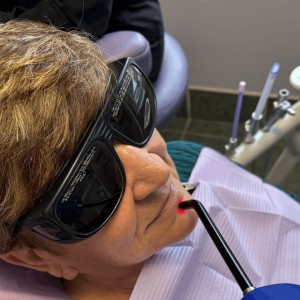
The belief in the healing power of light goes all the way back to ancient Egypt and the worship of Rah, the sun god.
Nearly half the world’s population is affected by oral disease—and the number of cases is rising.
News 15 October 2026

New office at 3170 R Street adds walk-in availability and same-day care options in a region where dental providers are in short supply
Each year, the University of Colorado Anschutz School of Dental Medicine (SDM) Excellence Awards recognize individuals whose dedication, leadership and innovation strengthen our mi
Oral surgery 15 October 2026
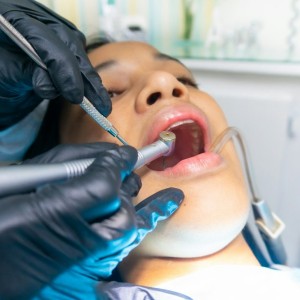
This peer-reviewed oral surgery article summarizes clinical evidence from International journal of oral and maxillofacial surgery (2026). It focuses on findings that may help dental professionals...


Copyright © 2026 - All Rights Reserved
ISSN 2767-1178