


Gingival maxillary enlargement in a young patient
Authors: G. Mergoni, I. Giovannacci, G. Giunta, G. Ghidini, M. Meleti, M. Manfredi, P. Vescovi
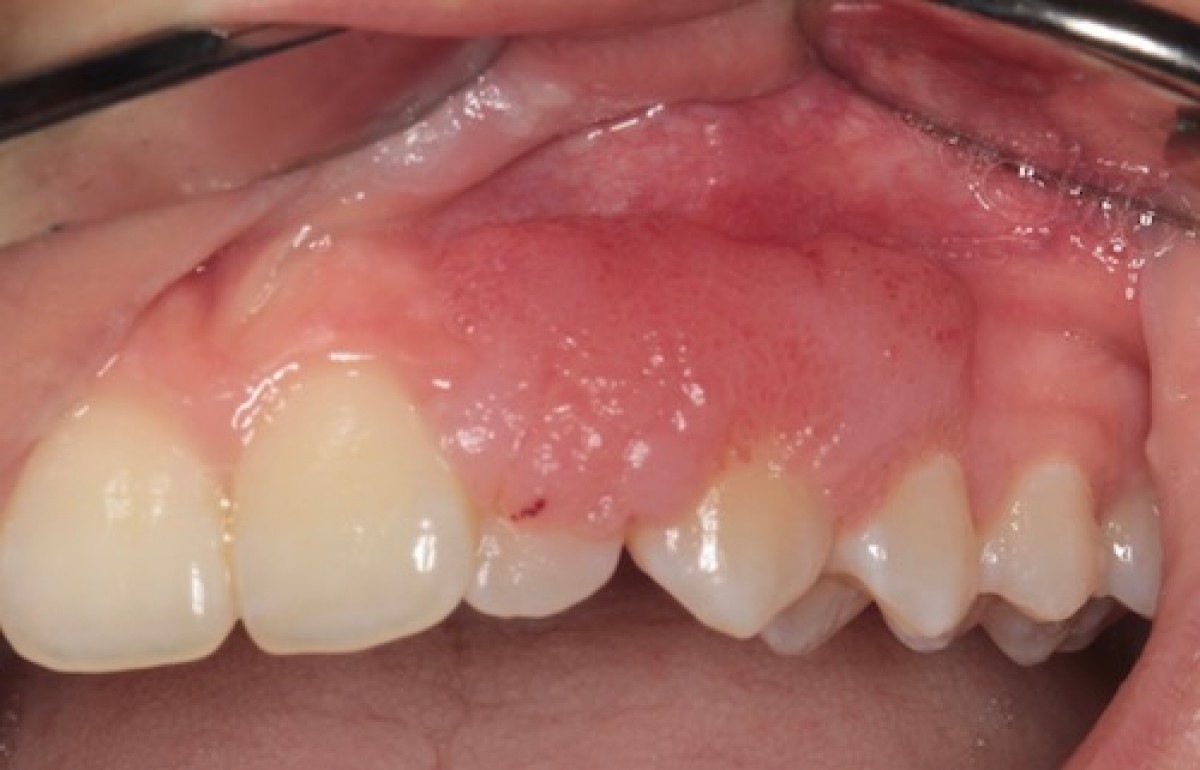
An 11-year-old patient was sent to out observation by her pediatrician for a maxillary gingival lesion that had arisen about 2 months earlier and rapidly increased in size. The child appeared to be in good health and did not complain of any discomfort, except the inability to properly brush the teeth partially covered by the neoformation. The lesion extended to the level of the vestibular gingiva from the distal margin of the element 2.1 to the medial portion of the element 2.4.
The external surface had a finely matted appearance, predominantly pink and with some points of bright red color (fig. 1). The texture was similar to that of the surrounding gingiva. With the help of a periodontal probe it was possible to suspect that the implant base, which cannot be evaluated, was considerably smaller than the external surface. The dental elements 1.1 to 2.5 were vital and did not present mobility. On physical examination there were no other lesions at the level of the oral mucosa and perioral skin. The pediatrician, to exclude a peripheral manifestation of a pathological disorder, had already requested blood tests (blood count, protein electrophoresis, liver and kidney function) that were normal. The radiographs made by the treating dentist excluded pathological changes at the level of the alveolar bone and the roots of the dental elements. Differential diagnoses include squamous papilloma (frequently found at the level of the oral mucosa, but generally smaller in size), reactive lesions that typically develop on the gingiva (such as the pyogenic granuloma, the fibrous epulide, peripheral giganocellular granuloma and peripheral ossifying fibroma), lymphangioma and spongiotic gingivitis. The latter occurs mainly in female subjects in puberty (10-15 years) on the vestibular aspect of the maxillary gingiva in the form of exophytic lesions, well demarcated, erythematous, with granular or slightly papillary surface. Although many features are compatible with the case in question, the presence of a narrow plant base reduces the likelihood of this diagnosis.
Lymphangioma is a lesion that originates from lymphatic vessels and is currently considered more of an amaroma or developmental anomaly than a true tumor. It manifests itself in the first two years of life and, when it develops superficially at the level of oral mucosa, assumes a defined “fish-egg” appearance, similar to that observed in the case described. However, onset during puberty is very rare.Since the clinical and anamnestic characteristics are strongly suggestive of a benign pathology, after having obtained the informed consent according to the current legislation, the complete formation of the neoformation and the histological examination are carried out. The anatomopatholist observes a proliferation of keratinized stratified squamous epithelium, organized in digitiform extroflexions along a fibrovascular axis, compati-bile with the diagnosis of papilloma squamoso (fig. 2). It is a pathology induced by the Human Papilloma Virus (HPV). It has been calculated that squamous papilloma represents up to 8% of all new growths subjected to biopsy in children. Usually it appears as an exophytic formation, soft, generally pedunculate, with verrucous or "cauliflower" surface with superficial projections that can be pointed or blunted. It tends to grow rapidly until it reaches a maximum size of about 0.5 cm which then remains stable over time. However, as in the case described, in rare circumstances lesions greater than 3 cm were observed.
The squamous papilloma has no degenerative potential, is treated with surgical excision and is generally not recurrent (fig. 3).
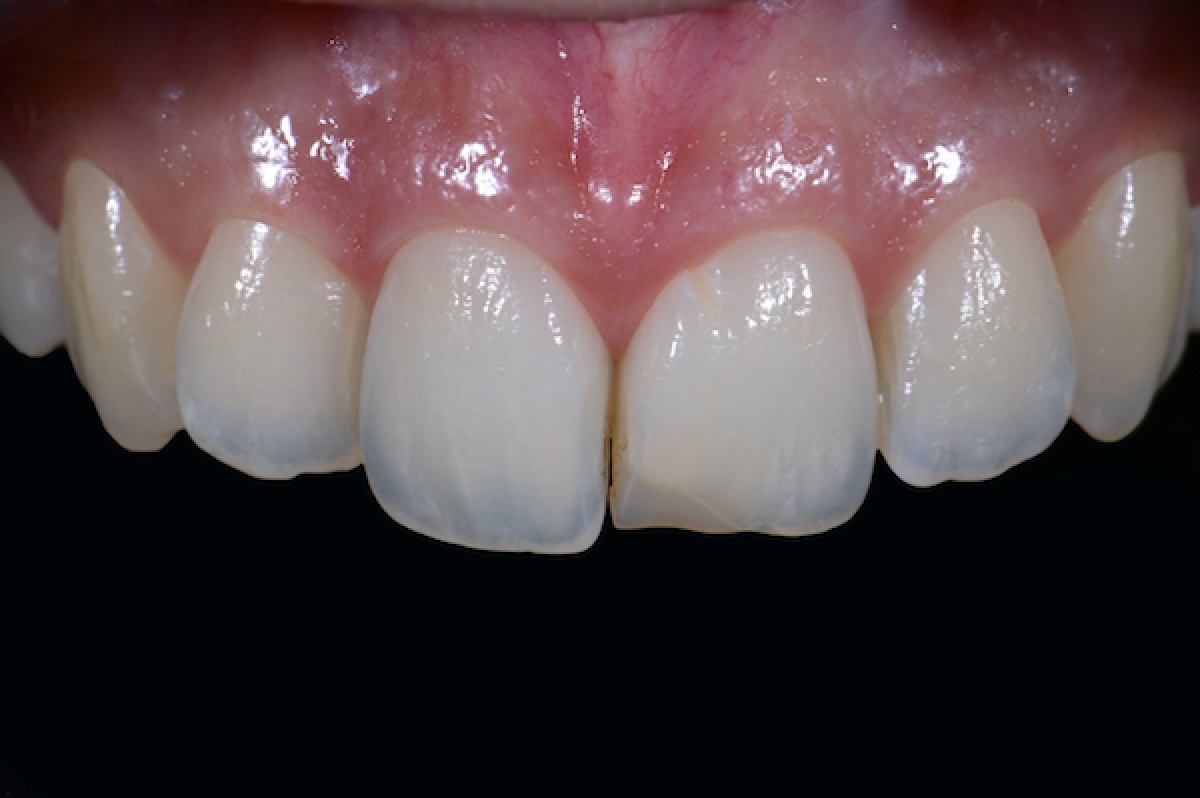
Figure 1: Clinical appearance of neoformation at the level of the left maxillary gingiva
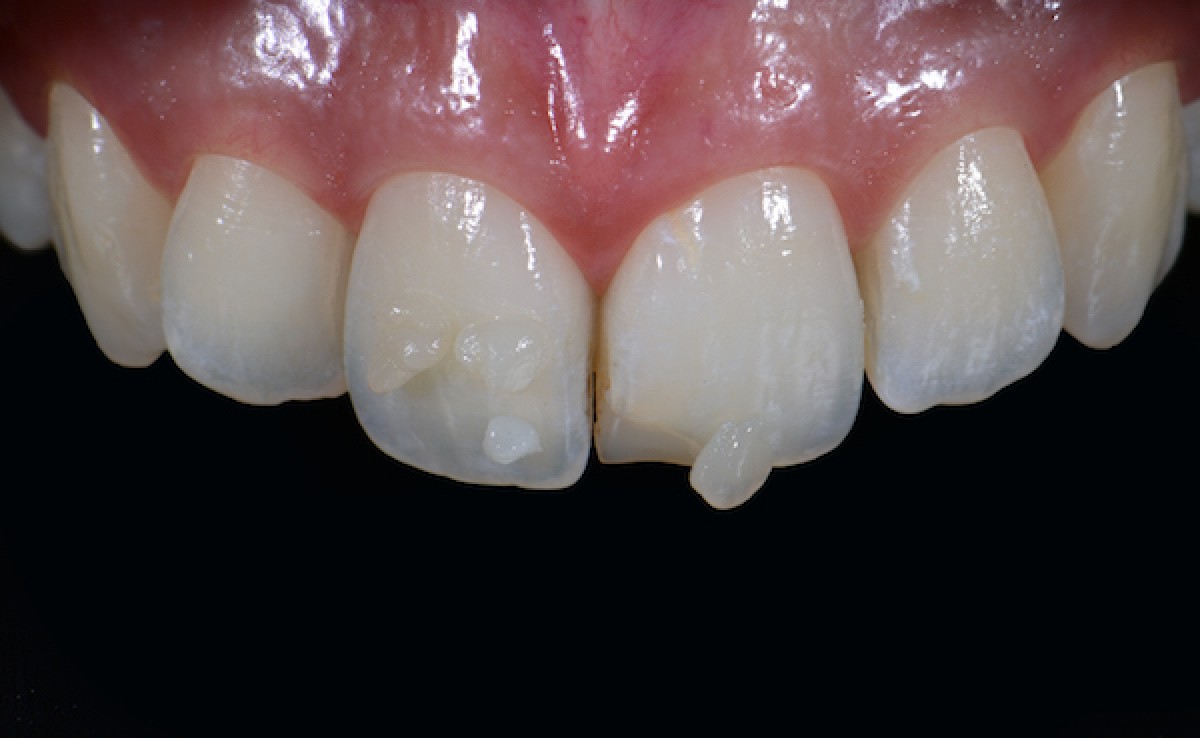
Figure 2: Histological aspects of biopsy sampling that show a proliferation of stratified squamous epithelium keratinized, organized in papillary extroflections

Figure 3: One month after surgery
 Related articles
Oral pathology 13 October 2026

This peer-reviewed oral pathology article summarizes clinical evidence from Oral oncology (2026). It focuses on findings that may help dental professionals evaluate treatment decisions, patient...
Oral pathology 06 October 2026

This peer-reviewed oral pathology article summarizes clinical evidence from Oral oncology (2026). It focuses on findings that may help dental professionals evaluate treatment decisions, patient...
Oral pathology 02 October 2026
This peer-reviewed oral pathology article summarizes clinical evidence from BMC oral health (2024). It focuses on findings that may help dental professionals evaluate treatment decisions, patient...
Oral pathology 29 September 2026

This peer-reviewed oral pathology article summarizes clinical evidence from Oral oncology (2026). It focuses on findings that may help dental professionals evaluate treatment decisions, patient...
Oral pathology 22 September 2026
This peer-reviewed oral pathology article summarizes clinical evidence from Oral oncology (2026). It focuses on findings that may help dental professionals evaluate treatment decisions, patient...
Read more
Products 13 October 2026


New Resources Help Dental Exhibitors Evaluate Their Investment and Explore the Personify ShowFlow™ Trade Show Success System
News 13 October 2026

New patient apps extend The Aspen Group’s mission to remove barriers to care, giving patients greater visibility, convenience, and control from booking through treatment
Editorials 13 October 2026

The forerunner of what’s now Texas A&M College of Dentistry opened 120 years ago in Dallas with the mission of educating dentists to provide quality care to patients in North Texas
Oral pathology 13 October 2026
This peer-reviewed oral pathology article summarizes clinical evidence from Oral oncology (2026). It focuses on findings that may help dental professionals evaluate treatment decisions, patient...



Copyright © 2026 - All Rights Reserved
ISSN 2767-1178