


Vitamin E: a potential natural approach against dental erosion
Lara Figini
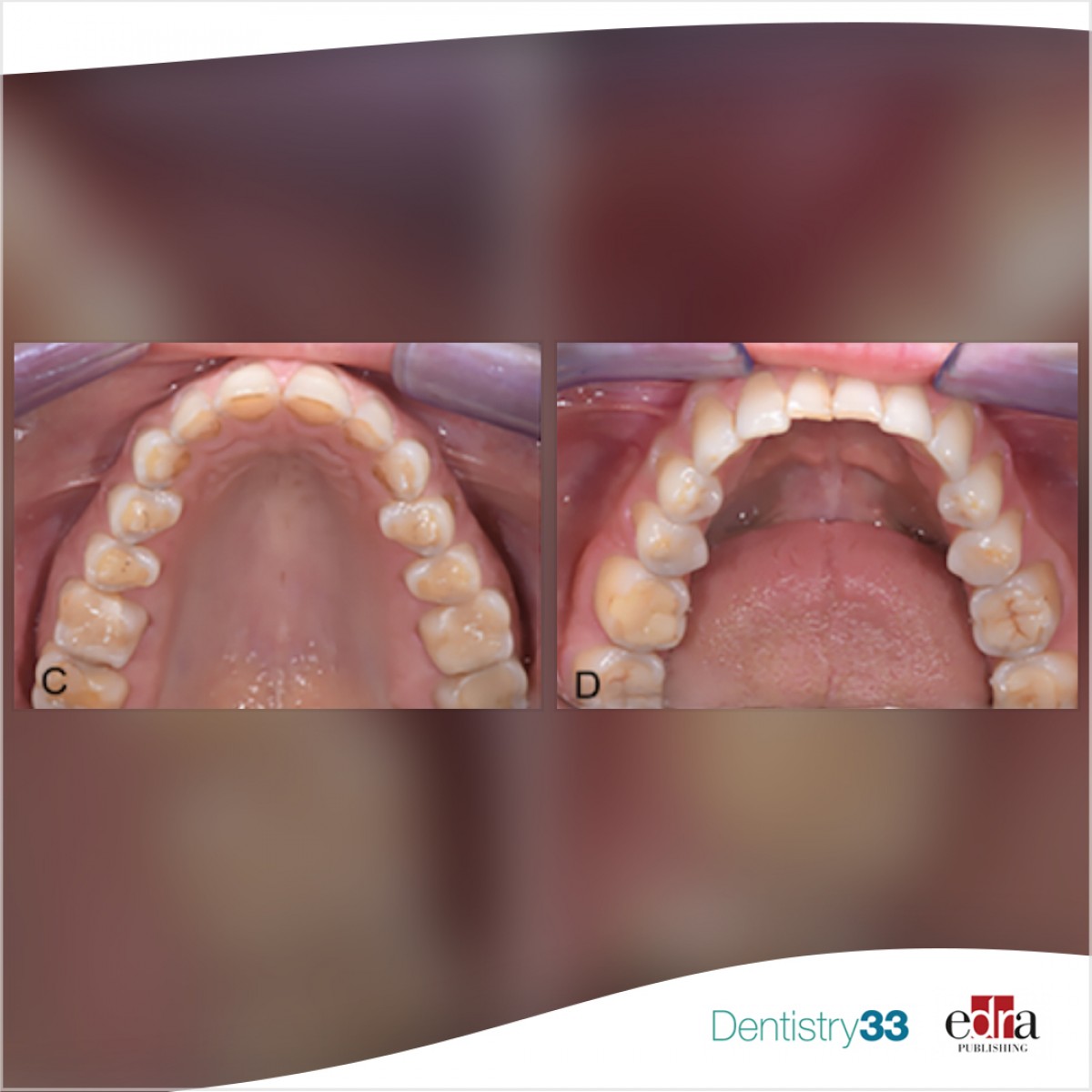
In recent years the attention to erosive wear of the teeth has increased due to its high prevalence, affecting between 30% and 50% of deciduous teeth and between 20% and 45% of permanent teeth in all. the world. By erosive wear we mean the loss of tooth structure due to chemical-mechanical processes that involve the dissolution of hard tissues due to acid substances (chemical erosion) and due to non-physiological mechanical forces, such as friction and abrasion (mechanical wear).
Particularly in the advanced stages of erosive wear, the patient may experience aesthetic or functional limitations that can compromise the quality of life.
But which substances can help prevent erosion?
Materials and Methods
In a study, available online in the Journal of Dentistry of August 2021, the authors evaluated the in vitro effect on enamel of several substances for the short-term prevention of erosive processes.
An acquired enamel film (AEP) was previously formed in situ. Subsequently, the bovine enamel blocks were treated in vitro with the following solutions:
Group 1: where the bovine enamel blocks have been treated with palm oil;
Group 2: where the bovine enamel blocks were treated with 85% tocotrienol solution; Group 3: where the bovine enamel blocks have been treated with oily vitamin E;
Group 4: where the bovine enamel blocks have been treated with oily vitamin A;
Group 5: where the bovine enamel blocks were treated with deionized water (negative control);
Group 6: where the bovine enamel blocks were treated with a solution containing a stannous compound (Elmex® Erosion Protection Dental Rinse) (positive control).
After applying the above treatment solutions (500 μl, for 30 seconds), the blocks were immersed in 0.5% citric acid (pH 2.4) for 30 seconds (initial erosion). The response variable was considered to be the percentage of surface hardness loss. Data were analyzed by one-way ANOVA and Fisher's test (p <0.05).
Results
Positive control groups (G6), and those treated with palm oil (G1) and oily vitamin E (G3) they had the lowest percentage of surface hardness loss and were statistically different from the negative group (G5) (p <0.05). However, no significant differences were found between these three groups. The 85% solution of tocotrienol (G2) and the oil groups of vitamin A (G4) showed similar results to the negative control group.
Conclusions
From the data of this study, which must be confirmed in other similar studies, it can be concluded that both the Stannoso compound (Elmex® Erosion Protection), both the palm oil and the oily vitamin E are able to protect the enamel from the challenge. erosive. It should also be noted that vitamin E is probably the key ingredient in palm oil responsible for preventing enamel erosion.
Clinical implications
Vitamin E in an oily formula, showing a preventive effect against erosion, similar to that of a commercial stannous compound-based mouthwash (Elmex® Erosion Protection), can be considered a promising natural alternative aimed at preventing erosive wear. of the teeth.
For additional information: Vitamin E: a potential preventive approach against dental erosion - an in vitro short-term erosive study
 Read more

Continuous innovation across the DEXIS ecosystem helps clinicians work with greater clarity, confidence, and efficiency
News 23 October 2026
CrownPoint Partners announced the successful closing of a $9.2 million, five-property dental sale-leaseback portfolio located throughout Michigan.
News 23 October 2026
Dentsply Sirona, Midwest Dental Expand Technology Relationship
Beginning November 1, Dentsply Sirona will expand its long-standing relationship with Midwest Dental Equipment & Supply beyond consumables to include its complete technology portfo
Editorials 23 October 2026
Honoring Excellence: Graduation Awards for CU Anschutz Dental Students and Faculty

As the University of Colorado Anschutz School of Dental Medicine celebrates the graduating DDS Class of 2025, we are proud to recognize the students and faculty members whose excep
Implantology 23 October 2026

This peer-reviewed implantology article summarizes clinical evidence from Clinical oral implants research (2026). It focuses on findings that may help dental professionals evaluate treatment...



Copyright © 2026 - All Rights Reserved
ISSN 2767-1178