


Is the additional administration of glucocorticoids necessary?
Lara Figini
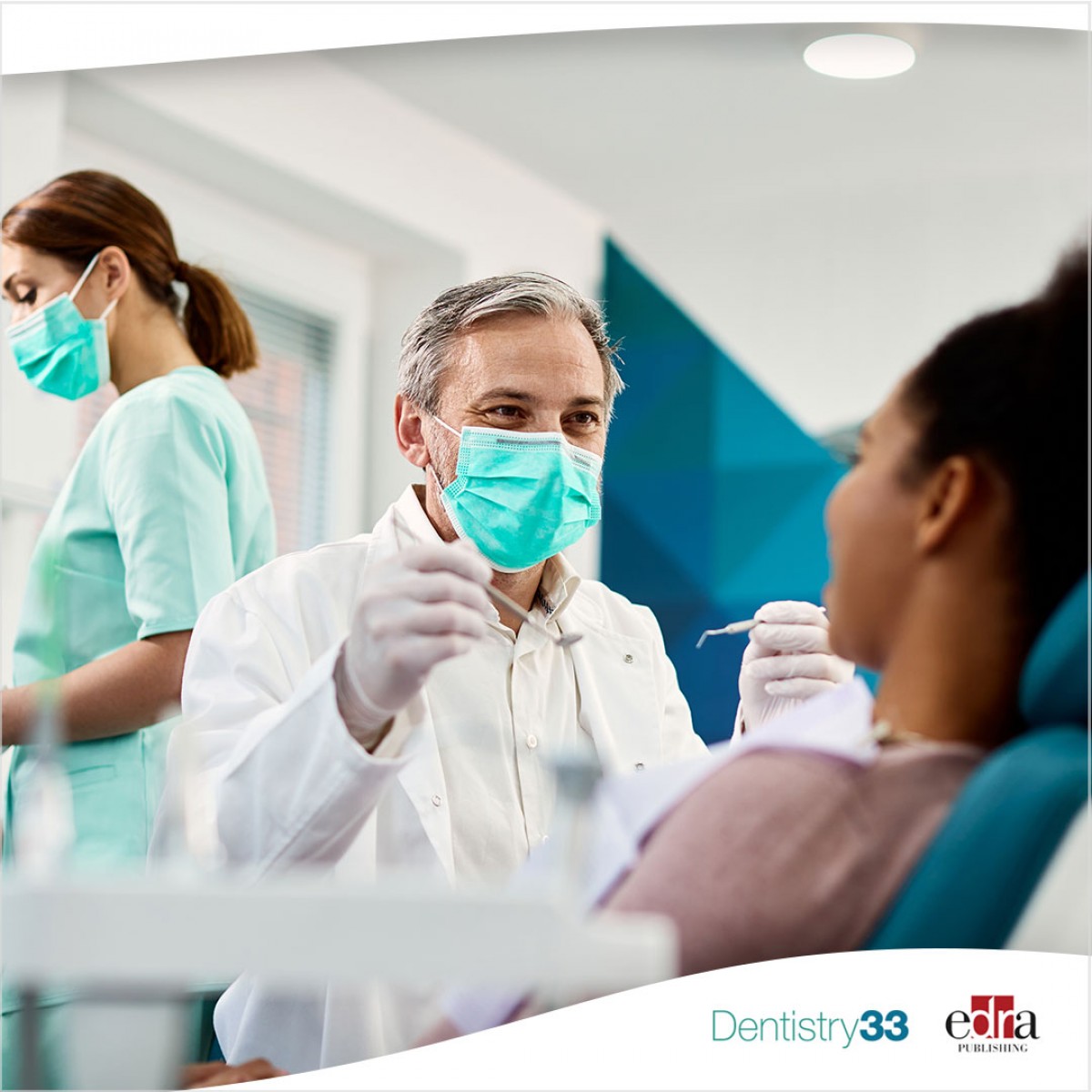
Patients receiving long-term therapy with glucocorticoid drugs may be at risk for adrenal crisis due to suppression of the hypothalamic-pituitary-adrenal axis, resulting in secondary adrenal insufficiency. When patients on these drugs in the long-term require dental treatment for odontogenic infections or dentoalveolar or maxillomandibular surgical procedures, surgical stress or pathological conditions may result in cortisol elevations and if the additional glucocorticoid demand is not met an adrenal crisis may occur and classically manifest as acute nonspecific hemodynamic instability.
However, the risk of adrenal crisis during dental procedures among patients with secondary adrenal insufficiency has been estimated to be low, less than one in 650,000. Recommendations for administering supplemental glucocorticoid-GC before minor dental procedures in patients taking long-term glucocorticoid vary in the literature, ranging from no need for supplementation to administering different doses for different durations.
Materials and methods
In a study published in March 2023 in the Journal of the American Dental Association, the authors sought to validate the hypothesis that routine glucocorticoid supplementation is unnecessary during minor oral surgical procedures under local anesthesia.
Researchers recruited 270 patients and divided them into three groups:
- Group I comprising patients on long-term glucocorticoids-LTGC undergoing minor oral surgery with preprocedural glucocorticoid-GC supplementation (Standard Group/Group I).
- Group II including patients taking LTGC who had undergone minor oral surgery without preprocedural GC supplementation (Internal Control Group/Group II).
- Group III including patients not taking LTGC undergoing minor oral surgery procedures (External Control Group/Group III).
Changes in hemodynamic parameters and frequency of adverse events among the three groups were investigated. Secondarily, the association between preprocedural stress and procedural pain with periprocedural adverse events was evaluated in the long-term glucocorticoid therapy groups (Groups I and II).
Results
No clinically relevant changes in hemodynamic parameters were found among the three groups investigated. The authors also found low periprocedural adverse events in all three groups combined (n = 1).
Conclusions
Among patients undergoing long-term glucocorticoid therapy for indications other than primary adrenal insufficiency, elective minor oral surgical procedures can be performed safely with only their daily dose of glucocorticoid when their medical conditions are optimized. Routine additional glucocorticoid supplementation appears unnecessary. The results of the study also revealed opportunities for value addition by means of integrating oral health care with medical follow-up for patients with multiple co-occurring medical conditions.
Practical implications
Routine blanket glucocorticoid supplementation among patients taking a long-term glucocorticoid for indications other than primary adrenal insufficiency appears unnecessary before minor oral surgical procedures under local anesthesia.
For more information: "Steroid supplementation before minor oral surgical procedures in patients taking long-term glucocorticoids."
 Related articles
In an editorial published in Hypertension and Vascular Risk, clinicians said more than one billion people in the world suffer from the most advanced forms of periodontitis.
Oral surgery 18 September 2024

Perioperative use of corticosteroids has been advocated for reduction of pain, edema, and trismus following oral surgical procedures.
Oral surgery 21 November 2023

In the dental sector, more than 10 million teeth are extracted worldwide every year. Among the most common complications that occur following tooth extractions are pain, swelling and trismus,...
Read more

Continuous innovation across the DEXIS ecosystem helps clinicians work with greater clarity, confidence, and efficiency
News 23 October 2026
CrownPoint Partners announced the successful closing of a $9.2 million, five-property dental sale-leaseback portfolio located throughout Michigan.
News 23 October 2026
Dentsply Sirona, Midwest Dental Expand Technology Relationship
Beginning November 1, Dentsply Sirona will expand its long-standing relationship with Midwest Dental Equipment & Supply beyond consumables to include its complete technology portfo
Editorials 23 October 2026
Honoring Excellence: Graduation Awards for CU Anschutz Dental Students and Faculty

As the University of Colorado Anschutz School of Dental Medicine celebrates the graduating DDS Class of 2025, we are proud to recognize the students and faculty members whose excep
Implantology 23 October 2026
This peer-reviewed implantology article summarizes clinical evidence from Clinical oral implants research (2026). It focuses on findings that may help dental professionals evaluate treatment...



Copyright © 2026 - All Rights Reserved
ISSN 2767-1178