


Dentin Hypersensitivity: Etiology, Mechanism and Prevention
Giulia Palandrani

Dentin hypersensitivity (DH) is one of the most common problem that affected patients.
Even if today is still unclear the etiology, Davari et al in their study try to explain the etiology and also the mechanism, prevention and treatment of DH.
Etiology
Dentin hypersensitivity (DH) is defined as diminutive and sharp pain which arises from exposed dentin surface in reaction to a stimulus of thermal, evaporative, tactile, osmotic or chemical origin.
The prevalence has been reported at 8 to 35% of the population and affects more women than men.
Various etiological and predisposing factors have been proposed to be associated with DH such as gingival recession, loss of enamel, abrasion, bruxism. Gingival recession is seen in the population who usually have a high standard of oral hygiene or those who have poor standard of oral hygiene.
Acid erosion can be derived from many sources such as gastric, intrinsic, and extrinsic sources which are dietary in origin. Individual susceptibility results in the loss of enamel to acid erosion. Abrasion of exposed dentin occurs due to improper oral hygiene practices.
Mechanism
Most widely accepted theory to explain DH is called hydrodynamic theory. It was proposed that application of external stimuli such as cold or hot, tactile or osmotic pressure will cause movement of dentinal fluid.The movement of the fluid will stimulate mechano-receptors and a pain response will be triggered.
Prevention and treatment
It has been suggested that brushing should be avoided for at least 1 to 3 hours after the consumption of acidic food or drink. If the patient has a history of intrinsic erosion patient should be referred and treated by a physician.
One of the logical conclusions to treat DH is to occlude the tubules by costituents of toothpaste. But the effectiveness of these products is dependent on their removal resistance. Currently potassium salts are the most common active ingredient used to desesitize dentin. The synapse between the nerve cells is blocked by potassium ions, which will reduce the nerve excitation and the pain. Calcium hydroxide can be used to block the tubules buti t has been reported that its presence can cause irritation of the gingiva. Other dentin sealer like composites and glass ionomer cements have a temporary effects because they can easly get washed away.
Conclusions
Dentin hypersensitivity is a widespread oral problem which affect people of variety of age groups. When a patient complains about DH causative or predisposing factor should be first identified by the practitioner and then a treatment plan should be designed.
For additional informations: Dentin Hypersensitivity: Etiology, Diagnosis and Treatment; A Literature Review
 Related articles
Oral Hygiene & Prevention 14 October 2026
Propolis-containing formulations in caries prevention - a systematic review and meta-analysis.
This peer-reviewed oral hygiene & prevention article summarizes clinical evidence from Clinical oral investigations (2026). It focuses on findings that may help dental professionals evaluate...
Oral Hygiene & Prevention 30 September 2026
Propolis-containing formulations in caries prevention - a systematic review and meta-analysis.
This peer-reviewed oral hygiene & prevention article summarizes clinical evidence from Clinical oral investigations (2026). It focuses on findings that may help dental professionals evaluate...
Oral Hygiene & Prevention 23 September 2026
Propolis-containing formulations in caries prevention - a systematic review and meta-analysis.
This peer-reviewed oral hygiene & prevention article summarizes clinical evidence from Clinical oral investigations (2026). It focuses on findings that may help dental professionals evaluate...
Oral Hygiene & Prevention 09 September 2026
Propolis-containing formulations in caries prevention - a systematic review and meta-analysis.
This peer-reviewed oral hygiene & prevention article summarizes clinical evidence from Clinical oral investigations (2026). It focuses on findings that may help dental professionals evaluate...
Oral Hygiene & Prevention 26 August 2026
Propolis-containing formulations in caries prevention - a systematic review and meta-analysis.
This peer-reviewed oral hygiene & prevention article summarizes clinical evidence from Clinical oral investigations (2026). It focuses on findings that may help dental professionals evaluate...
Read more
Products 14 October 2026
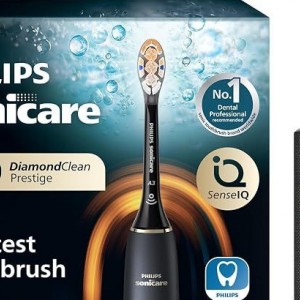
Royal Philips (NYSE: PHG, AEX: PHIA) announced that the Philips Sonicare Next-Generation DiamondClean 9900 Prestige, its most advanced and intelligent toothbrush to date, is now av

Key transaction by Heartland Dental and its supported practices expands opportunities for supported doctors, teams, and practices while strengthening Heartland Dental’s supported f
News 14 October 2026
Henry Schein Cares Celebrates 25 Years of Corporate Citizenship

Henry Schein Cares, Henry Schein, Inc.’s global corporate citizenship program, is celebrating a quarter century of bringing together Team Schein Members, customers, supplier partne
Editorials 14 October 2026
Scholarship at the CU Anschutz School of Dental Medicine reflects the collective contributions of our faculty, staff, residents and students.
Oral Hygiene & Prevention 14 October 2026
Propolis-containing formulations in caries prevention - a systematic review and meta-analysis.
This peer-reviewed oral hygiene & prevention article summarizes clinical evidence from Clinical oral investigations (2026). It focuses on findings that may help dental professionals evaluate...



Copyright © 2026 - All Rights Reserved
ISSN 2767-1178