


Role of sugars and other sweeteners in the maintenance of the dental health
Authors: Giuliana Bontà, Guglielmo Campus, Laura Strohmenger, Maria Grazia Cagetti
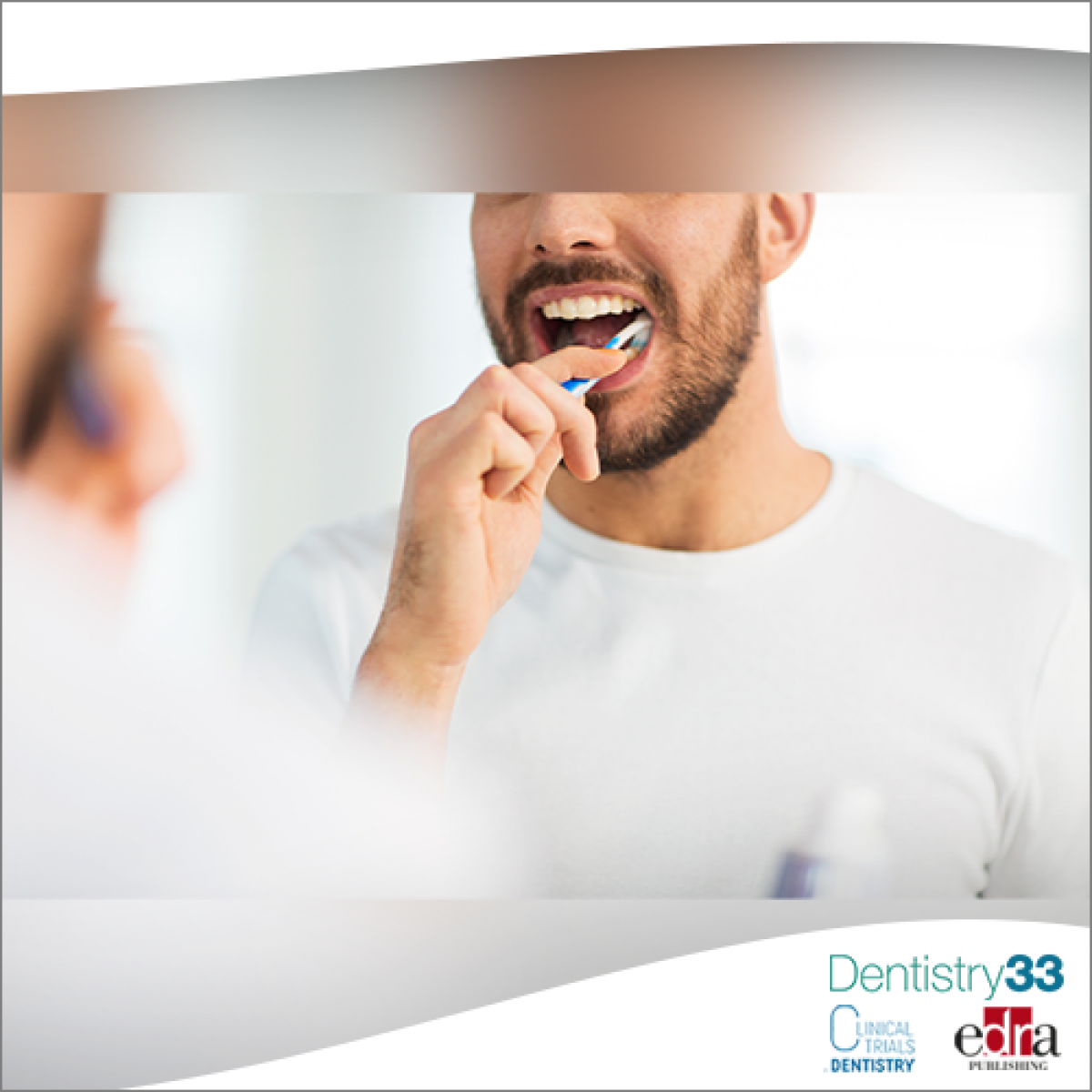
Diet could affect the homeostasis of hard dental tissues through sugars and other fermentable carbohydrates intake. This substances are metabolized into acids by the action of the cariogenic plaque bacteria and cause a decrease in pH with the loss of mineral salts from the enamel and dentin. Frequent intake of sugars also creates a favorable environment for multiplication of acidic bacteria.
Caries is a disease caused by the dissolution of the tooth mineral tissues produced by the acid derived from bacterial metabolism of carbohydrates. The two bacterial species mainly involved in this phenomena are oral streptococci, in particular Streptococcus mutans, and lactobacilli.
The European Food Safety Authority (EFSA) has defined the reference values for nutrition supplements that need to be taken to enjoy good health for different ages and gender. As regard sugars, the European Authority affirms that frequent consumption of high sugary foods increases the risk of tooth decay and contributes to body weight increase.
MATERIALS AND METHODS
The present review of the literature took into consideration the scientific papers selected from PubMed database without any time limit, using the keywords “carbohydrates, polyols, intensive sweeteners, stevia, dental caries” used as single words and in association with each other.
RESULTS
Sugars are present in foods in two forms: those naturally contained in foods such as fruit, honey and dairy products and those added to foods during processing to alter their flavor or consistency. Sweeteners can be classified into carbohydrates, sugar alcohols and high intensity sweeteners. While mono and disaccharides are fermented by cariogenic bacteria with production of acids that increase caries risk, sugar alcohols inhibit the metabolic activity of cariogenic microorganisms. No effect on caries is reported for high intensity sweeteners.
The duration of exposure and the persistence of sugary foods in the oral cavity cause prolonged periods of acid production and consequent demineralization. The life of different foods in the oral cavity can vary considerably.
DISCUSSION AND CONCLUSIONS
Simple carbohydrates are an important source of nutrition for the body; however, their excessive consumption increases the risk of developing systemic and oral pathologies. Sugar substitutes, natural or synthesized, can help to reduce the incidence of caries in adults and children. However, their use is subjected to certain restrictions.
CLINICAL SIGNIFICANCE
Diet has a primary role in maintaining the health of the entire body, including the oral cavity. It is a common tendency to select foods following the emotions of pleasure or rejection that they pass through smell, sight and taste. Research indicates that sweet is the taste first known by infants, however, the use of free sugars must be limited both in terms of quantity and frequency of intake.
 Related articles

Study links coffee consumption to lower risk of all-cause mortality; benefits diminished with additives

Taking time off from oral hygiene practices combined with the increase in the consumption of sugar and alcohol are factors that increase the risk of oral pathologies in summer.
Pediatric dentistry 21 May 2023
Could prolonged breastfeeding reduce the risk of developing cavities?

By Sabina Mastrangelo
Accustoming children not to consume foods with added sugars and promoting breastfeeding are two strategies to focus on in the first two years of life, to reduce the risk of developing dental caries.
Pediatric dentistry 23 February 2023
More than 70% of children between one and six years old have cavities in their baby teeth

The prevalence researchers found of caries in early dentition was high and, in some patients, the team observed relatively severe cavities.
Dental decay is the most common chronic disease of children and it disproportionately affects those living in poverty, but the reasons for this are not clear. Passive smoking may be a modifiable risk...
Read more
Products 14 October 2026
Royal Philips (NYSE: PHG, AEX: PHIA) announced that the Philips Sonicare Next-Generation DiamondClean 9900 Prestige, its most advanced and intelligent toothbrush to date, is now av

Key transaction by Heartland Dental and its supported practices expands opportunities for supported doctors, teams, and practices while strengthening Heartland Dental’s supported f
News 14 October 2026
Henry Schein Cares Celebrates 25 Years of Corporate Citizenship

Henry Schein Cares, Henry Schein, Inc.’s global corporate citizenship program, is celebrating a quarter century of bringing together Team Schein Members, customers, supplier partne
Editorials 14 October 2026
Scholarship at the CU Anschutz School of Dental Medicine reflects the collective contributions of our faculty, staff, residents and students.
Oral Hygiene & Prevention 14 October 2026
Propolis-containing formulations in caries prevention - a systematic review and meta-analysis.
This peer-reviewed oral hygiene & prevention article summarizes clinical evidence from Clinical oral investigations (2026). It focuses on findings that may help dental professionals evaluate...


Copyright © 2026 - All Rights Reserved
ISSN 2767-1178