


More than 70% of children between one and six years old have cavities in their baby teeth

Researchers from the CEU University Polyclinic recently published a study in which they found that the prevalence of caries in early dentition was 73.3% in 30 children between one to six years old. In boys enrolled in the study, the prevalence was 70% and in girls, 75%.
Clara Garcete, professor of the master's degree program in pediatric dentistry at the CEU University Polyclinic said in the sample of patients included in the study, the team saw an advanced caries severity.
"Prevalence of caries in early dentition" was published in the journal Dental Scientific from the Official College of Dentists and Stomatologists of the Community of Madrid. Authors include professors Caridad Arias Macías, César Muelas and Alicia Martínez, Clara Garcete and Maui Blanco.
"Until today, no epidemiological study of caries in early dentition of pediatric patients who come to the CEU University Polyclinic had been carried out," said Garcete in a news release. The study was an observational cross-sectional study consisting of a group of patients between one to six years of age. In this study, researchers used the dental cabinet, examination probe, air syringe and light.
All children were clinically screened and the prevalence of caries was calculated.
Garcete said she recommends that as soon as the first tooth appears, parents or caregivers should start brushing with a soft children's toothbrush using a small amount of fluoride toothpaste for children under three years. Children can begin to visit the dentist starting at one year with return visits every six months. In addition, children should avoid consuming sugary drinks, including soft drinks.
The authors said they consider this research of vital importance to know and better understand caries prevalence and to differentiate the stages of the disease with the aim of preventing and avoiding it.
"With the results obtained in the study, we can be aware that we are far from a caries-free child population, due to the high prevalence found," said Garcete. "So, prevention and early diagnosis are very important."
View the study on the journal's website.
 Related articles
Editorials 27 September 2026
Dentistry33 survey highlights replacement care, deep caries and evolving restorative workflows
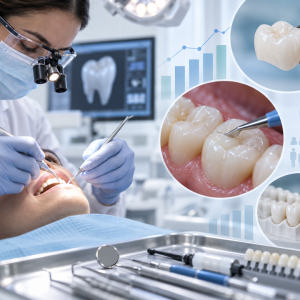
Reader survey finds direct composites remain dominant, secondary caries is the leading reason for restoration replacement, and clinicians want more training in pulp preservation
Reader survey finds direct composites remain dominant, secondary caries is the leading reason for restoration replacement, and clinicians want more training in pulp preservation
Dental decay is the most common chronic disease of children and it disproportionately affects those living in poverty, but the reasons for this are not clear. Passive smoking may be a modifiable risk...
Oral Hygiene & Prevention 20 August 2025
Personal oral hygiene and dental caries: A systematic review of randomised controlled trials
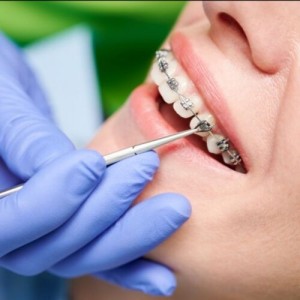
To conduct a systematic review of randomised trials assessing the association between personal oral hygiene and dental caries in the absence of the confounding effects of fluoride.

The new CaviSense Toothpick helps detect signs of early-stage cavities and has proven useful in traditional dental clinics as well as mobile operations as both a screening tool used during non-x-ray...
Pediatric dentistry 08 April 2025
Oral rehabilitation in pediatric dentistry: a clinical case report

Despite the emphasis and effort devoted to preventive dentistry, massive coronal destruction caused by dental caries or trauma is still seen in pediatric dentistry practice today.
Read more
Products 22 October 2026

News 22 October 2026

Royal Philips (NYSE: PHG, AEX: PHIA), a global leader in oral healthcare, today announced the formation of the Philips Sonicare Global Clinical Advisory Board, a group of external
News 22 October 2026
Opalescence Launches Limited-Edition Teeth Whitening Flavors

Opalescence whitening , the #1-selling professional teeth whitening brand, is introducing two limited-edition flavors, available only while supplies last: Pumpkin Spice and Birthda
Editorials 22 October 2026
2025 in Review: Highlights from the CU Anschutz School of Dental Medicine
From collaborative research to exceptional patient care and education , 2025 was a year of innovation and impact at the University of Colorado Anschutz School of Dental Medicine.
Implantology 22 October 2026

This peer-reviewed implantology article summarizes clinical evidence from Clinical oral implants research (2026). It focuses on findings that may help dental professionals evaluate treatment...



Copyright © 2026 - All Rights Reserved
ISSN 2767-1178