


Implant bed preparation: conventional drilling vs piezoelectric osteotomy
Lara Figini
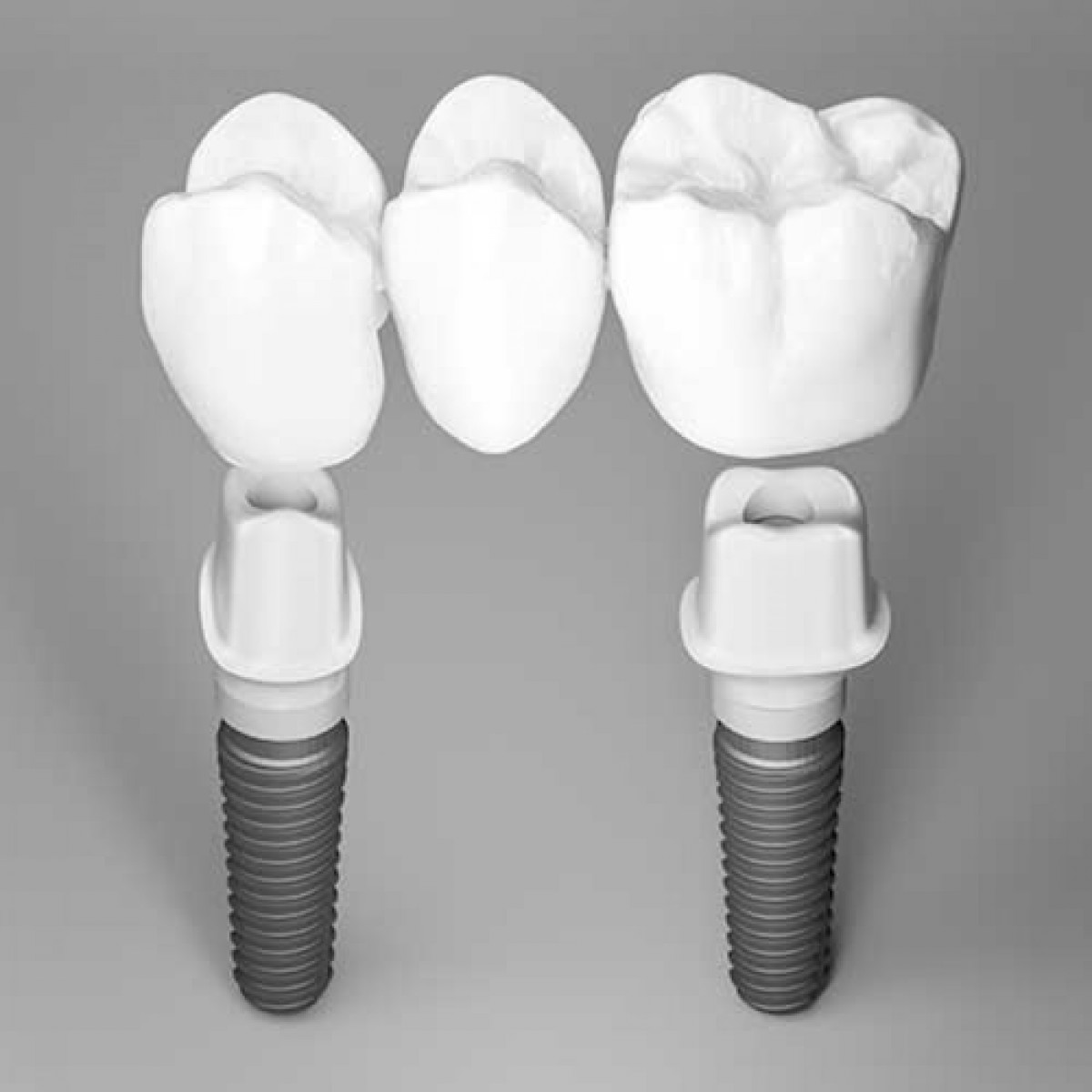
Conventional rotary drilling is the most common approach for preparing the implant bed, but there are other predictable ways to achieve this preparation, including the piezoelectric osteotomy (PO), first applied by Vercellotti, which allows hard tissue to be cut without damaging soft tissues such as oral mucosa, blood vessels, nerves, or Schneider’s membrane, as it is less invasive. The main disadvantage of the PO, however, is the time required to prepare the implant site, greater than the conventional drilling.
Materials and methods
In a Spanish study, published on Med Oral Patol Oral Cir Bucal, March 2021, the authors compared the primary and secondary implant stability between placement with piezoelectric osteotomy and conventional drilling, comparing marginal bone losses as a secondary objective.
An electronic search was conducted using PubMed (MEDLINE), Scopus, and Cochrane Library (Wiley) databases, besides a manual search.
Results
A total of 153 articles were retrieved, 39 from Pubmed, 44 from Scopus, and 70 from the Cochrane Library. After removing duplicates, 112 articles (1 from the manual search) were screened, and 9 were finally selected for qualitative and statistical analyses. Piezoelectric surgery is a predict medium- and long-term survival rates and marginal bone losses were similar between the two comparison groups, piezoelectric osteotomy and conventional preparation, and there was no difference for the ISQ implant stability quotient values for primary stability. However, implants placed with piezoelectric osteotomy showed a smaller decrease in the implant stability quotient (ISQ) during the osseointegration period and a higher ISQ value for secondary stability.
Conclusions
From the results of this review, which must be compared with other data from similar reviews, it can be concluded that piezoelectric surgery is a predictable and valid alternative to conventional drilling for implant bed preparation.
Clinical implications
This study contributes further information on peri-implant bone tissue at 3 and 6 months after implant placement with piezoelectric osteotomy or conventional drilling and provides an updated meta-analysis of comparative studies.
For additional information: Stability and marginal bone loss in implants placed using piezoelectric osteotomy versus conventional drilling: systematic review and meta-analysis.
 Tag
Tag
Related articles
Implantology 28 June 2021
Authors: Roberto Pistilli, Marco Esposito, Carlo Barausse, Andrea Balercia, Lorenzo Bonifazi, Jacopo Buti, Pietro Felice
A within-person randomised controlled trial to compare the outcome of site preparation for two zygomatic oncology implants per zygoma using conventional preparation with rotary drills or...
Read more

Continuous innovation across the DEXIS ecosystem helps clinicians work with greater clarity, confidence, and efficiency
News 23 October 2026

CrownPoint Partners announced the successful closing of a $9.2 million, five-property dental sale-leaseback portfolio located throughout Michigan.
News 23 October 2026
Dentsply Sirona, Midwest Dental Expand Technology Relationship

Beginning November 1, Dentsply Sirona will expand its long-standing relationship with Midwest Dental Equipment & Supply beyond consumables to include its complete technology portfo
Editorials 23 October 2026
Honoring Excellence: Graduation Awards for CU Anschutz Dental Students and Faculty

As the University of Colorado Anschutz School of Dental Medicine celebrates the graduating DDS Class of 2025, we are proud to recognize the students and faculty members whose excep
Implantology 23 October 2026

This peer-reviewed implantology article summarizes clinical evidence from Clinical oral implants research (2026). It focuses on findings that may help dental professionals evaluate treatment...



Copyright © 2026 - All Rights Reserved
ISSN 2767-1178