


Correlation between thyroid hormones and peri-implantitis: state of the art
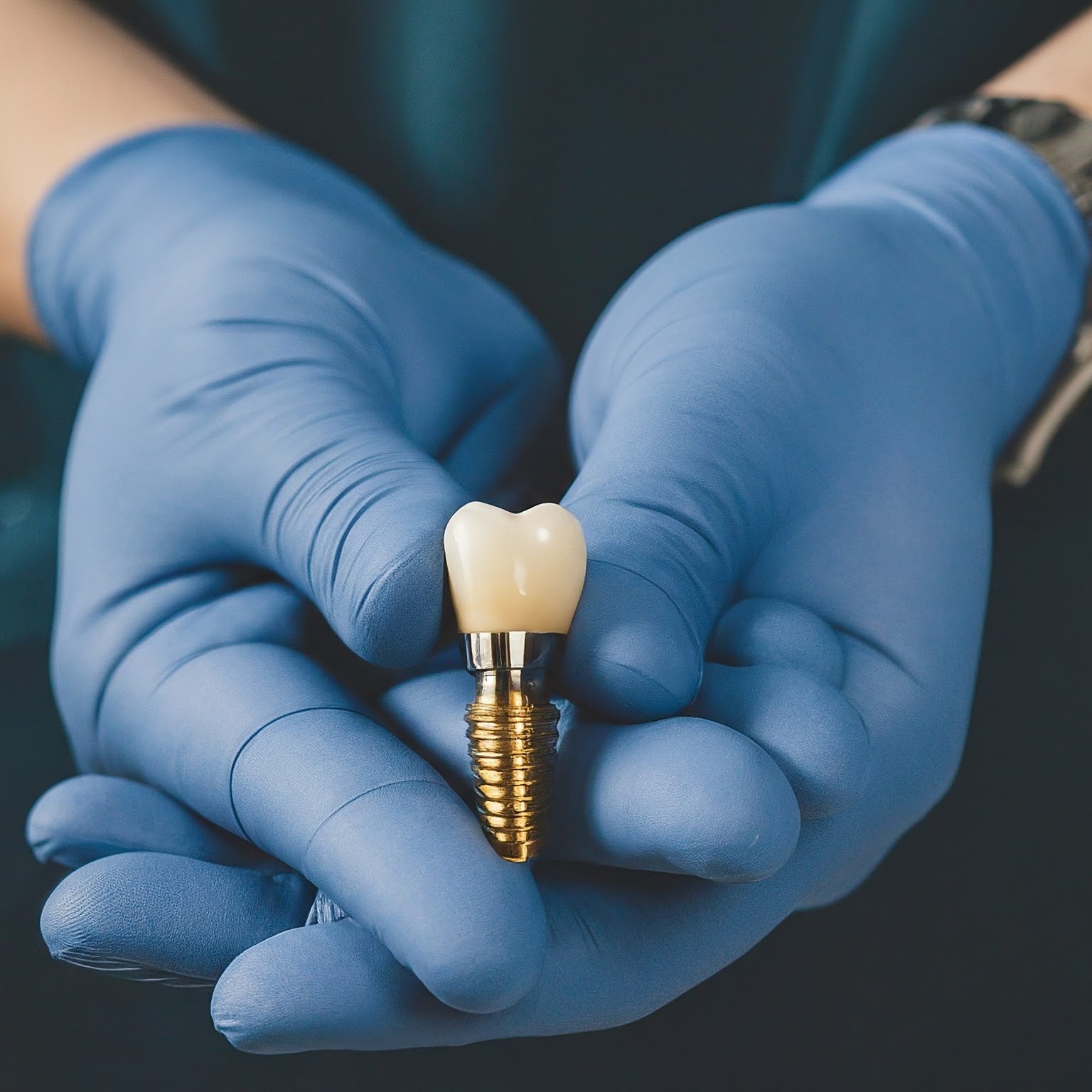
Objectives Today, implant restorations are the gold standard treatment for edentulous patients. However, short and long-term complications can also occur.
One of the most common causes of implant failure is peri-implantitis defined as an inflammatory process that affects the hard and soft supporting tissues around a functioning implant, leading to the loss of the supporting bone.
In the literature, there are several studies to determine the possible systemic and local factors associated with the onset of peri-implantitis.
The following factors were identified: poor oral hygiene, a history of periodontitis, diabetes, smoking, alcohol consumption and genetic characteristics. Few authors have instead analyzed the role that thyroid hormones could have on the onset of peri-implantitis.
The aim of this study was to evaluate the scientific literature on the influence of thyroid hormones on the onset of peri-implantitis.
Materials and methods This study analyzes and discusses the scientific literature on the relationship between thyroid hormones and peri-implantitis at 2017. A search on PubMed, Scopus and Web of Science was conducted and only four studies respected the inclusion and exclusion criteria.
Results Three studies analyzed the impact of local and systemic factors on the incidence of implants failures and identified prosthetic rehabilitations and local factors as risk indicators for peri-implantitis while systemic factors did not seem to contribute to peri-implant bone loss.
Only one study showed greater bone loss around implants in hypothyroid patients after one year of prosthetic loading compared to the control group.
This study also showed a higher incidence of soft tissue complications after the first surgical phase. This is probably because in patients with thyroid disease there is delayed wound healing due to the influence of thyroid hormones on hard and soft tissue.
Conclusions The studies analyzed also show that the correlation between thyroid diseases and peri-implant tissues are present mostly in hypothyroid patients, especially if this disease is not controlled.
Therefore, in the management of thyroid patients in implantology, it would be important to evaluate the efficacy of substitution therapy.
Because of few data present in literature it is not possible to establish whether thyroid disorders are a contraindication to implant treatment or a risk factor for implant failure.
Further studies are needed to investigate the relationship between thyroid diseases and peri-implant status.
Clinical significance Thyroid hormones play an important role in bone growth and remodeling. In cases of hypothyroidism, a decrease in bone turnover was observed, with a longer duration of the remodeling cycle, an increase in bone mass and also an increased risk of fractures as a result of greater bone rigidity.
Instead, in cases of hyperthyroidism there was an increase in bone turnover and higher stimulation of osteoblastic and osteoclastic activity with a predominance of the latter. The higher osteoclastic activity results in a reduction in bone mass and a consequent increased risk of fractures due to greater bone fragility.
The action that thyroid hormones have on bone tissue and the consequences that hypothyroidism and hyperthyroidism may have on bone metabolism may affect the peri-implant state resulting in increased bone loss.
Authors: Francesca De Angelis, Edoardo Brauner, Nicola Pranno, Annalisa Visca, Luigi Vito Stefanelli, Stefano Di Carlo
Source: https://www.dentalcadmos.com/
 Related articles
Oral pathology 10 March 2025
Clinico‐pathologic correlations of myofibroblastic tumors of the oral cavity: nodular fasciitis

Nodular fasciitis (NF), a soft tissue lesion mainly composed of myofibroblastic cells, is well documented in various body locations however, in the oral cavity it is rare.
Market 29 November 2024

In financial markets, the butterfly effect is not uncommon—a phenomenon where small changes in conditions can lead to significant long-term variations in a system's behavior.
Oral Hygiene & Prevention 30 July 2024

Studies have investigated the relationships between chronic systemic and dental conditions, but it remains unclear how such knowledge can be used in clinical practice

The evidence on the association between oral health and mortality is inconclusive and few studies have accounted for nonrandom selection bias in estimating their relationship.
Editorials 25 March 2024
Study Shows Correlation Between Self-Reported Oral Health and Systemic Health Outcomes

Looking at multiple dental health conditions and behaviors paints a clearer picture of long-term health and mortality.
Read more
Products 13 October 2026


New Resources Help Dental Exhibitors Evaluate Their Investment and Explore the Personify ShowFlow™ Trade Show Success System
News 13 October 2026

New patient apps extend The Aspen Group’s mission to remove barriers to care, giving patients greater visibility, convenience, and control from booking through treatment
Editorials 13 October 2026

The forerunner of what’s now Texas A&M College of Dentistry opened 120 years ago in Dallas with the mission of educating dentists to provide quality care to patients in North Texas
Oral pathology 13 October 2026
This peer-reviewed oral pathology article summarizes clinical evidence from Oral oncology (2026). It focuses on findings that may help dental professionals evaluate treatment decisions, patient...



Copyright © 2026 - All Rights Reserved
ISSN 2767-1178