


A Review on Biomaterials in Dental Implantology
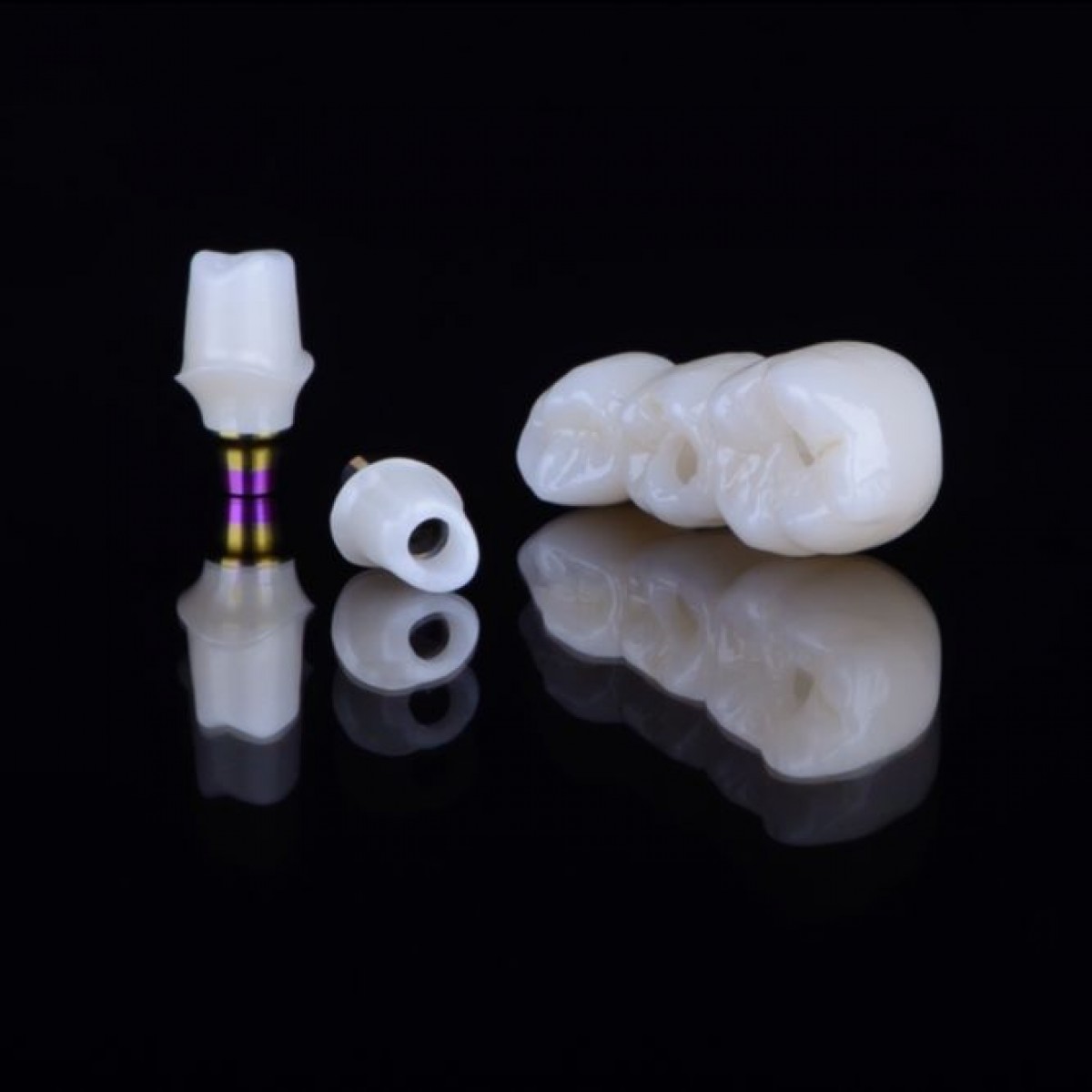
Implants have been gaining popularity amongst the patients and frequently are being considered as a first treatment option. Modern dentistry is beginning to understand, realize, and utilize the benefits of biotechnology in health care. Study of material sciences along with the biomechanical sciences provides optimization of design and material concepts for surgical implants. Biocompatibility is property of implant material to show favorable response in given biological environment. In attempt to replace a missing tooth many biomaterials have been evolved as implants for many years in an effort to create an optimal interaction between the body and the implanted material. With all the advancements and developments in the science and technology, the materials available for dental implants also improved. The choice of material for a particular implant application will generally be a compromise to meet many different required properties. There is, however, one aspect that is always of prime importance that how the tissue at the implant site responds to the biochemical disturbance that a foreign material presents.
The development and modification of dental implants have taken place for many years in an effort to create an optimal interaction between the body and the implanted material. The goal of achieving an optimal bone-implant interface has been approached by the alteration of implant surface topography, chemistry, energy and charge as well as bulk material composition. Schmidt et al. (2001) defines an ideal bone implant material as having a biocompatible chemical composition to avoid adverse tissue reaction, excellent corrosion resistance in the physiologic limits, acceptable strength, a high resistance to wear and a modulus of elasticity similar to that of bone to minimize bone resorption around the implant.
The choice of material for a particular implant application will generally be a compromise to meet many different required properties. There is, however, one aspect that is always of prime importance that how the tissue at the implant site responds to the biochemical disturbance that a foreign material presents. Dr. Jonathan Black suggested that the term “biologic performance” is more appropriate than biocompatibility to represent the various interactions between host and the material.
Biocompatibility is dependent on the basic bulk and surface properties of the biomaterial. All aspects of basic manufacturing, finishing, packaging and delivering, sterilizing, and placing (including surgical) must be adequately controlled to ensure clean and non traumatizing conditions.
Authors: Hariprasad Ananth, Vinaya Kundapur, H S Mohammed, M Anand, G S Amarnath, Sunil Mankar
Source: https://pmc.ncbi.nlm.nih.gov/
 Related articles
Pediatric dentistry 09 October 2026
This peer-reviewed pediatric dentistry article summarizes clinical evidence from BMC oral health (2026). It focuses on findings that may help dental professionals evaluate treatment decisions,...
Periodontology 08 October 2026
This peer-reviewed periodontology article summarizes clinical evidence from BMC oral health (2026). It focuses on findings that may help dental professionals evaluate treatment decisions, patient...
Oral surgery 07 October 2026
This peer-reviewed oral surgery article summarizes clinical evidence from International journal of oral and maxillofacial surgery (2026). It focuses on findings that may help dental professionals...
Oral pathology 06 October 2026
This peer-reviewed oral pathology article summarizes clinical evidence from Oral oncology (2026). It focuses on findings that may help dental professionals evaluate treatment decisions, patient...
Endodontics 05 October 2026
This peer-reviewed endodontics article summarizes clinical evidence from Journal of dentistry (2026). It focuses on findings that may help dental professionals evaluate treatment decisions, patient...
Read more
Europe 11 October 2026 - 30 November -0001
Scandinavian Dental Fair 2026: Event Preview and Professional Highlights

The Scandinavian Dental Fair 2026 will take place from November 11, 2026 to November 13, 2026 in TBD, Sweden/Denmark, offering dental professionals a focused environment for continuing education,...
Edra Professional Books 10 October 2026
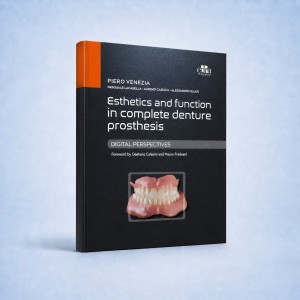
Esthetics and function in complete denture prosthesis is an Edra professional dentistry reference focused on clinical practice, education and treatment planning.
Products 09 October 2026

Oral-B and Crest, Official Oral Care Partners of the NFL, recently announced the launch of new special-edition products, giving fans even more ways to celebrate their love of the g
News 09 October 2026
Apex Dental Partners, a dental partnership organization supporting dentists and affiliated practices, has been named No.
News 09 October 2026

New education website and fully funded Swiss fellowship program debut at the 2026 Orthopaedic Trauma Association Annual Meeting in Nashville



Copyright © 2026 - All Rights Reserved
ISSN 2767-1178