


Treatment of peri-implantitis: evaluation of post-operative pain
Lara Figini
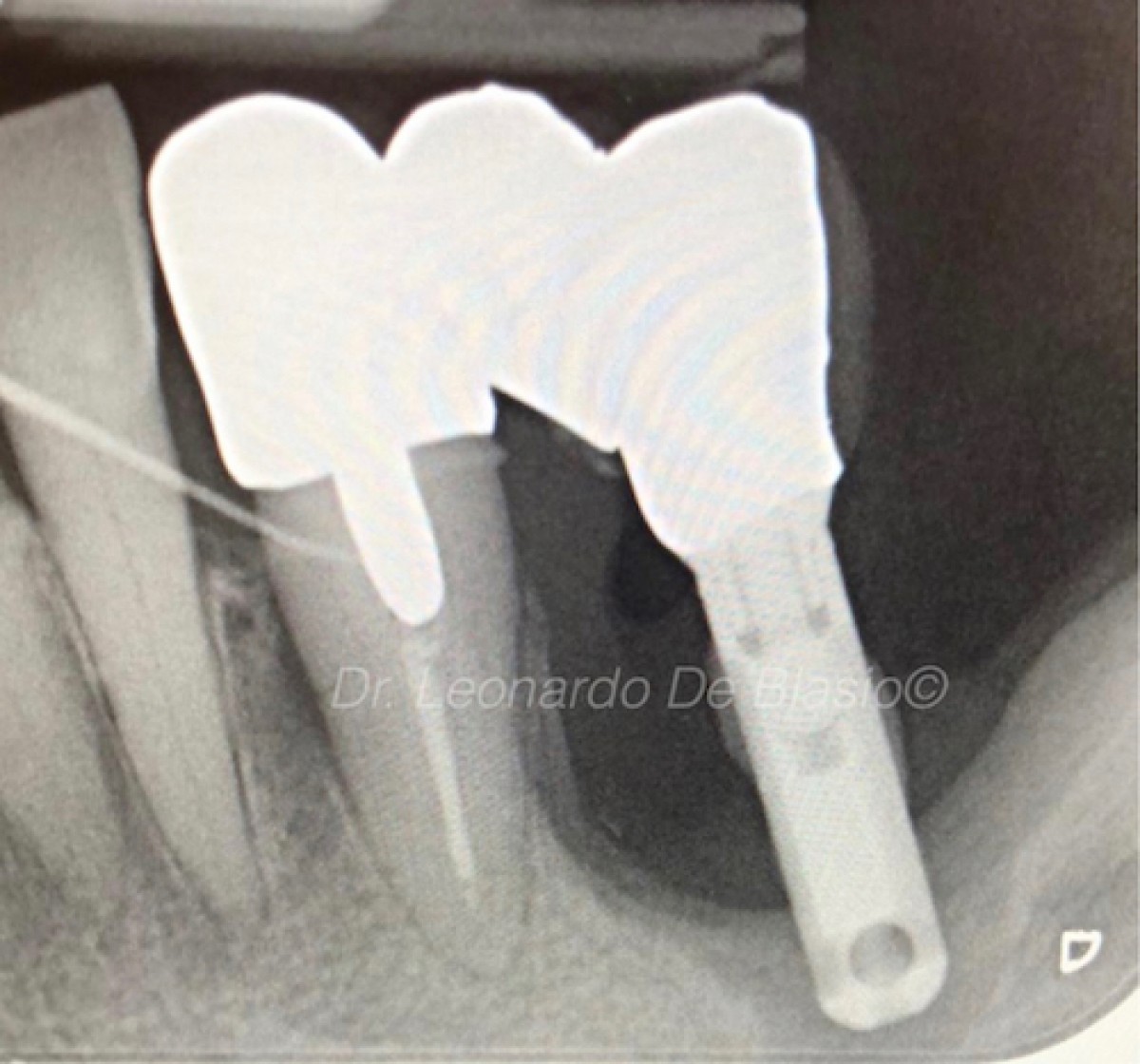
Implant treatment has become a popular option for patients who have lost one or more teeth. As a result of this, more implant related infections occur. Periimplantitis has been defined as an inflammatory reaction associated with bone loss around a functioning implant. The treatment of peri-implantitis involves non-surgical treatments that precede surgical treatments.
At the moment there is no literature information on post-operative pain and discomfort caused by the treatment of peri-implantitis. Improved knowledge of pain and discomfort after peri-implant treatment will provide patients and operators with valuable information.
Materials and Methods
In a clinical study, published on Acta Odontologica Scandinavica on Nov / Dec 2019, the authors assessed the intensity and quality of pain after non-surgical and surgical treatment of peri-implantitis. A total of 30 patients with a diagnosis of peri-implantitis were included in the study. The patients registered pain using a VAS scale after non-surgical and surgical treatment of periimplantitis. The data were registered for one week after each treatment. The patients also recorded quality of pain and if analgesics were taken. Factors included in the study were number of implants, severity of peri-implantitis (millimetre bone loss at most severely affected implant), implant localization, smoking and gender.
Results
Statistically significant difference in intensity of pain was found between day zero and day one for both non-surgical and surgical treatment of peri-implantitis (p<.05). Number of implants, severity of peri-implantitis, implant localization, smoking and gender were not statistically significant related to intensity of pain post-treatment. The most frequently reported quality of pain was throbbing/ soreness and numbness for both non-surgical and surgical treatment.
Conclusions
From the data of this study, which must be confirmed in other similar studies, it can be concluded that the pain levels are low to moderate for most patients after the treatment of peri-implantitis. Pain is most pronounced in the first two days after treatment. Throbbing/soreness and numbness were the most frequently reported quality of pain.
Clinical implications
Because in this study there was no standardized regiment for the use of analgesics, this might have influenced the perception of pain and the use of analgesics. A potential carryover effect on the next day must be considered. As expected, more pain relievers are taken after surgical treatment than non-surgical treatment.
For additional information: Pain and morbidity after non-surgical and surgical treatment of peri-implantitis
 Read more

Jen Kim Field, chief sustainability officer at Henry Schein and president of the Henry Schein Cares Foundation, answers questions for Dentistry Today about the group’s achievements
News 12 October 2026

The education-first program offered learning for the entire dental practice, with practical insights spanning the full patient journey and focused on improving workflows, collabora
News 12 October 2026

AAO and Stand for the Silent Unite Communities This Month to Shine a Light on Bullying Prevention
Editorials 12 October 2026
Expanded coverage: Texas A&M’s Plemons named 2026 Texas Dentist of the Year

Sometimes a small act of generosity can make a tremendous impression, especially on a 7-year-old.
Endodontics 12 October 2026
This peer-reviewed endodontics article summarizes clinical evidence from Journal of dentistry (2026). It focuses on findings that may help dental professionals evaluate treatment decisions, patient...



Copyright © 2026 - All Rights Reserved
ISSN 2767-1178