


Osseodensification and mandibular split crest: clinical case
Author: Marco Berardini

It is general knowledge that the split crest technique allows predictable plastic de- formation of the bone and creates space for contextual insertion of osseointegrated dental implants. To this end, a clinical case of split crest surgery and contemporary implants insertion associated with the use of osseodensification burs in the anterior region of an edentulous mandibular area was proposed.
MATERIALS AND METHODS
A 52 year old patient arrived to our observation to rehabilitate the mandibular anterior region where elements 3.1 and 4.1 were missing. A incision was created with a blade at the lingual-top of the crest and a total thickness flap was performed. A 10 mm deep (horizontal) osteotomic cut was performed with a piezoelectric scalpel mounting an insert of 0.35 mm thick. Subsequently, implant sites were prepared following the osseodensification surgical procedures and two 3x11 mm diameter laser-treated implants were inserted with a torque of 35 N. A resorbable collagen membrane and bovine bone were applied to protect the vestibular cortical. Antibiotic, anti-inflammatory therapy and a soft diet for 14 days were prescribed to the patient.
RESULTS
After 4 months of submerged healing, the second chirurgic phase was performed for the positioning of the healing screws. The implants appeared osteointegrated and presented no clinical signs of inflammation or suffering of the hard and the soft tissues. A further confirmation of implants condition was obtained through x-ray examination. The keratinized tissue appeared stable.
DISCUSSION
Prior to split crest surgery and osseodensification procedures, a pre-surgical diagnostic evaluation should be performed to en- sure that the two cortical are separable, with the presence of bone marrow, and not fused or even undercut. The surgical technique presented included a single surgical time in which the bone crest was incised longitudinally and progressively expanded with the aid of hydrodynamic pressure exerted by the burs used. The burs acted as osteo-condensing osteotomes. Conversely to traditional rotating instrument for implants sites preparation, the employed burs work in a non-sharp anti-clockwise direction (between 800 and 1500 rpm). Thus, bone trabecules and collagen are “spread” on the bone walls instead of cut and removed. Such “autografting” bone involves the osteotomy site throughout its length forming a cylinder of increased density.
CONCLUSIONS
Split crest surgery showed predictable results in case of sufficient height but inadequate thickness of the bone. The use of the present osseodensification technique allowed controlled expansion and, at the same time, ensured excellent implant primary stability due to the local increase in bone density.
CLINICAL SIGNIFICANCE
Implant-supported fixed rehabilitation represents the “gold standard” in the restorative rehabilitation of missed teeth. Vertical and horizontal bone remodeling due to teeth loss could make impossible to properly insert dental implants without hard or soft tissue augmentation. The split crest technique associated to osseodensification proved to be a predictable approach in the treatment to edentulous ridges of adequate height but insufficient thickness. High percentages of success, low incidence of complications and lower degree of morbidity for the patient make this type of intervention, preferable to GBR or graft blocks.
 Related articles

Author: Marco Berardini
It is general knowledge that the split crest technique allows predictable plastic de- formation of the bone and creates space for contextual insertion of osseointegrated dental implants. To this end,...
Endodontics 02 February 2026
Implantology 20 January 2026
Smoking as a risk factor for dental implants and implant-related surgery

Cigarette smoking is known to adversely affect wound healing, and thus may jeopardize the success of dental implantation and implant-related oral surgery.
Products 27 November 2025
Neocis Unveils Next-Generation AI-Powered Robotic System for Dental Implants

Neocis, the pioneer behind the first and only U.S. FDA-cleared robotic system for dental implant surgery, today announced the launch and FDA approval of its next-generation robotic platform: Yomi...
Read more
Products 14 October 2026
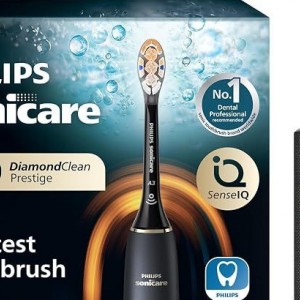
Royal Philips (NYSE: PHG, AEX: PHIA) announced that the Philips Sonicare Next-Generation DiamondClean 9900 Prestige, its most advanced and intelligent toothbrush to date, is now av

Key transaction by Heartland Dental and its supported practices expands opportunities for supported doctors, teams, and practices while strengthening Heartland Dental’s supported f
News 14 October 2026
Henry Schein Cares Celebrates 25 Years of Corporate Citizenship

Henry Schein Cares, Henry Schein, Inc.’s global corporate citizenship program, is celebrating a quarter century of bringing together Team Schein Members, customers, supplier partne
Editorials 14 October 2026
Scholarship at the CU Anschutz School of Dental Medicine reflects the collective contributions of our faculty, staff, residents and students.
Oral Hygiene & Prevention 14 October 2026
Propolis-containing formulations in caries prevention - a systematic review and meta-analysis.
This peer-reviewed oral hygiene & prevention article summarizes clinical evidence from Clinical oral investigations (2026). It focuses on findings that may help dental professionals evaluate...


Copyright © 2026 - All Rights Reserved
ISSN 2767-1178