


Use of porcine dermal matrix and a synthetic bone substitute in GBR procedures in an aesthetic field
Piero Papi
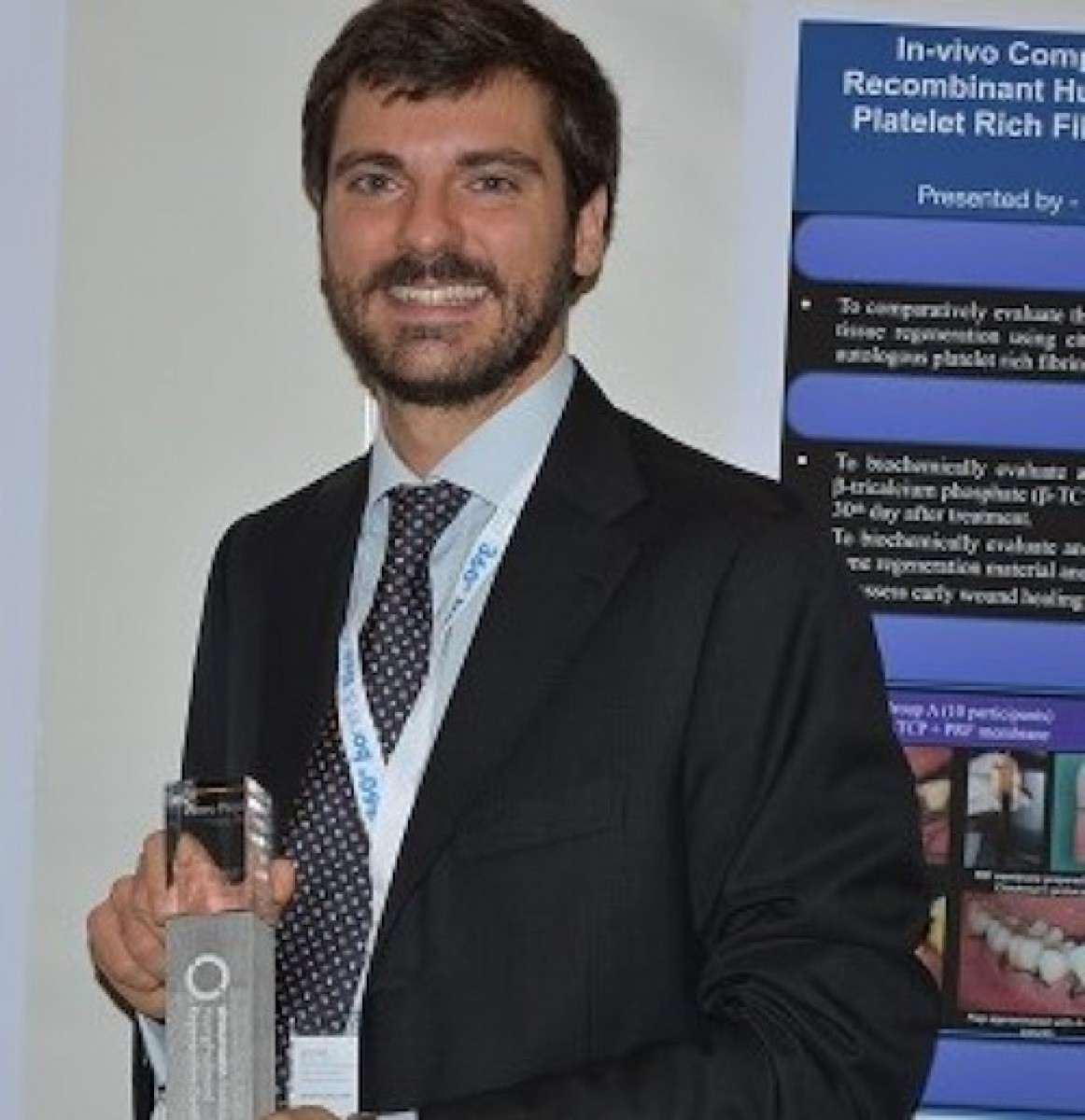
Last November 10th in Berlin, during the "Bone and Tissue Days Congress", the two-year "Straumann-botiss YoungPro Award" for best under 35 researchers in the field of implant biomaterials was awarded to the Italian Piero Papi (research at the Department of Odontostomatological and Maxillo-Facial Sciences, Sapienza University of Rome) for the work "Immediate implant placement and peri-implant augmentation with a porcine derived acellular dermal matrix and synthetic bone in the aesthetic area" conducted at the Policlinico Umberto I, Sapienza University of Rome, under the supervision of Professor Giorgio Pompa, Director of the Department of Oral Surgery, belonging to DAI Testa Collo (Director Professor Antonella Polimeni).
Below is a summary of the Work done by the same author, Dr. Piero Papi.
THE STUDY
In this study, 15 patients were enrolled, with the need for an implant-prosthetic rehabilitation in the aesthetic field. The objectives of the study were to evaluate the results of the use of a three-dimensional dermal matrix of porcine origin and of a synthetic bone substitute in the procedures of guided bone regeneration, contextual to the implant placement.
The patients enrolled had missing central and lateral incisors, with a width and thickness of the keratinized gingiva of less than 2 mm and the loss of gingival convexity due to tooth extraction, which took place during the previous 8 weeks.
The dental implants (Bone Level Tapered Roxolid, Straumann), with a standard or reduced diameter, were positioned and the guided bone regeneration was carried out using a synthetic bone substitute (Maxresorb, botiss biomaterials) to correct the bone defect and restore a correct thickness of the buccal wall and a 3D dermal matrix (Mucoderm, botiss biomaterials) to restore the lost gingival convexity.
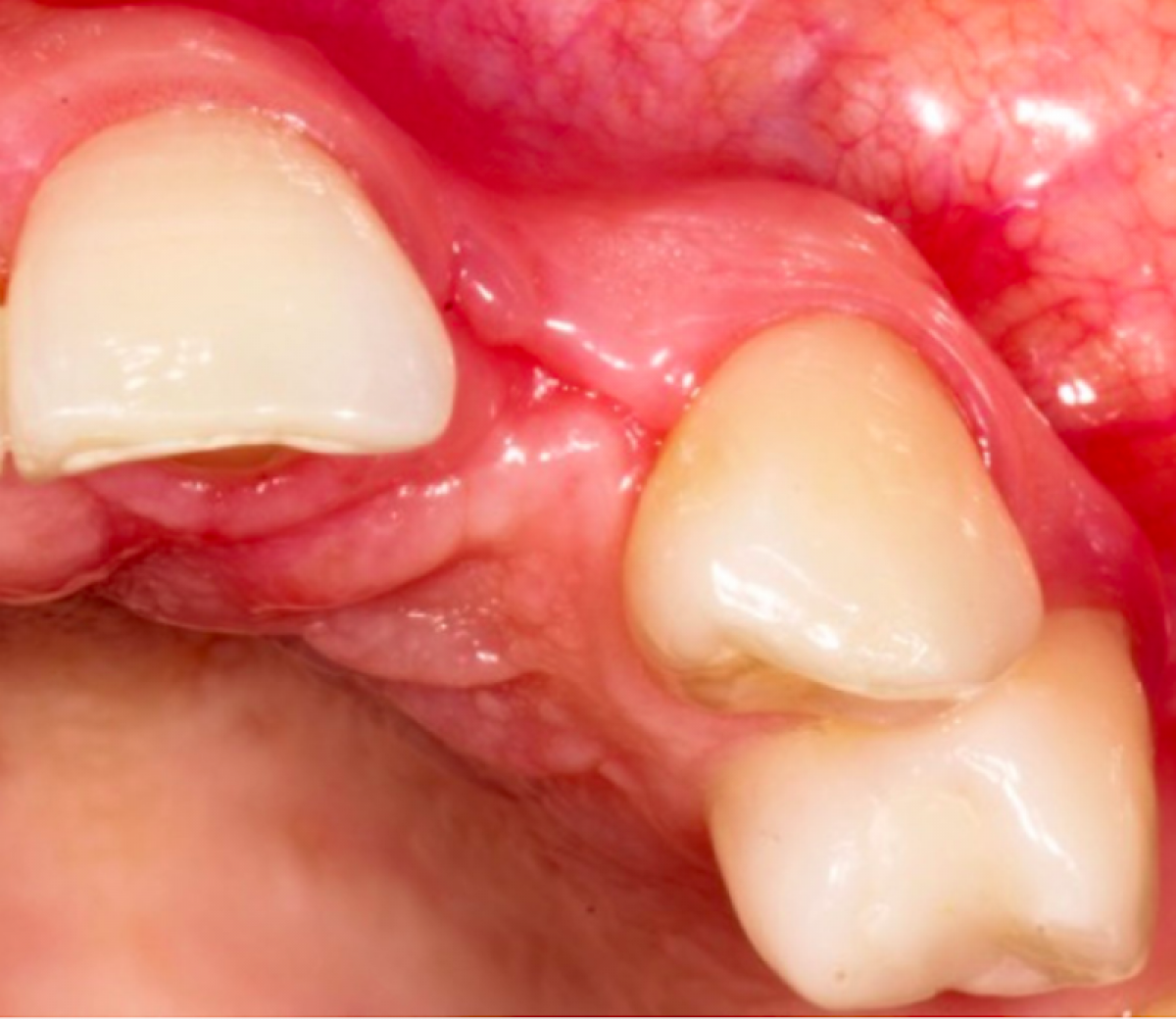
Fig. 1 Pre-operative clinical situation of gingival convexity in the absence of a left lateral incisor
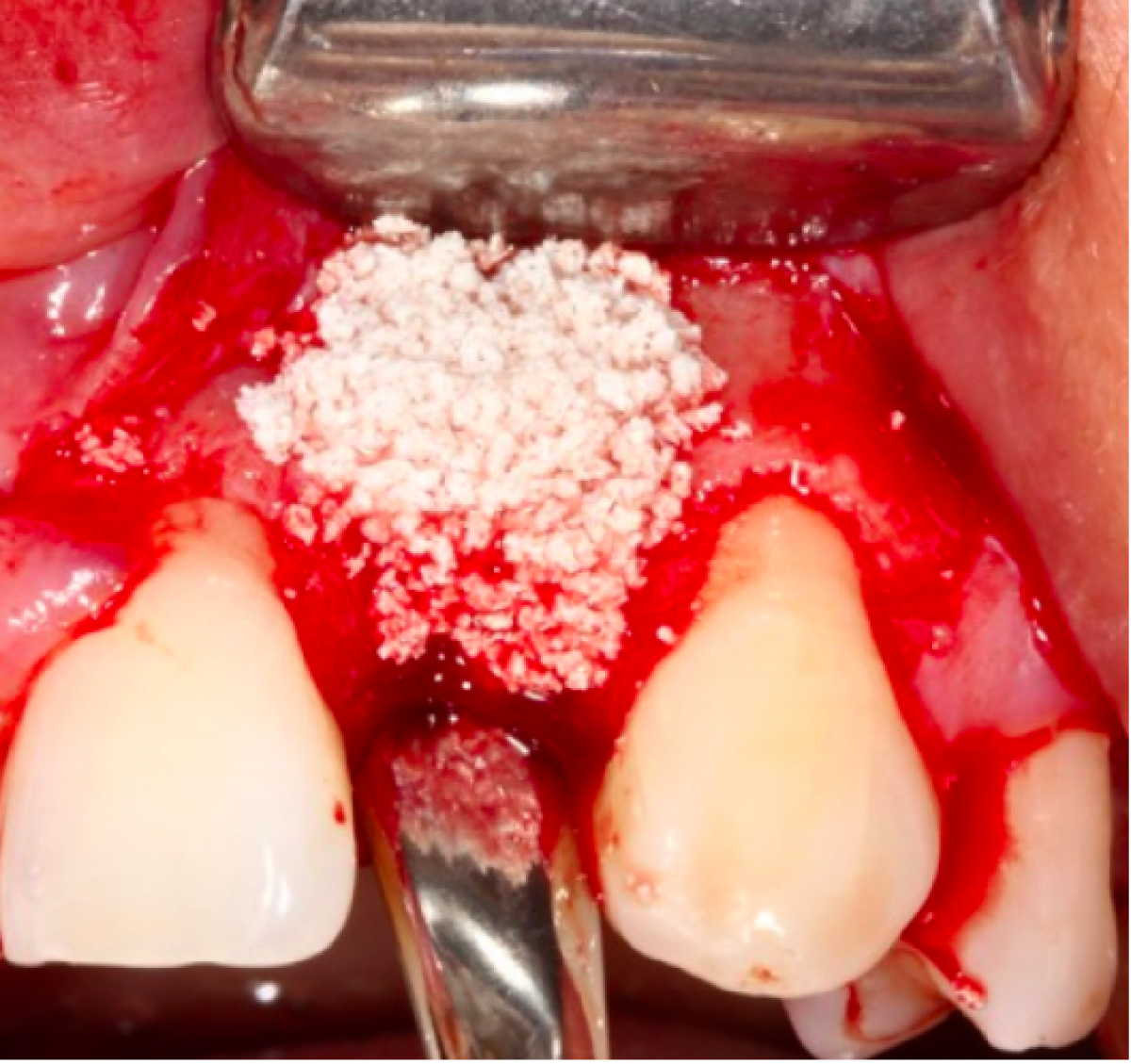
Fig. 2 Guided bone regeneration with Maxresorb
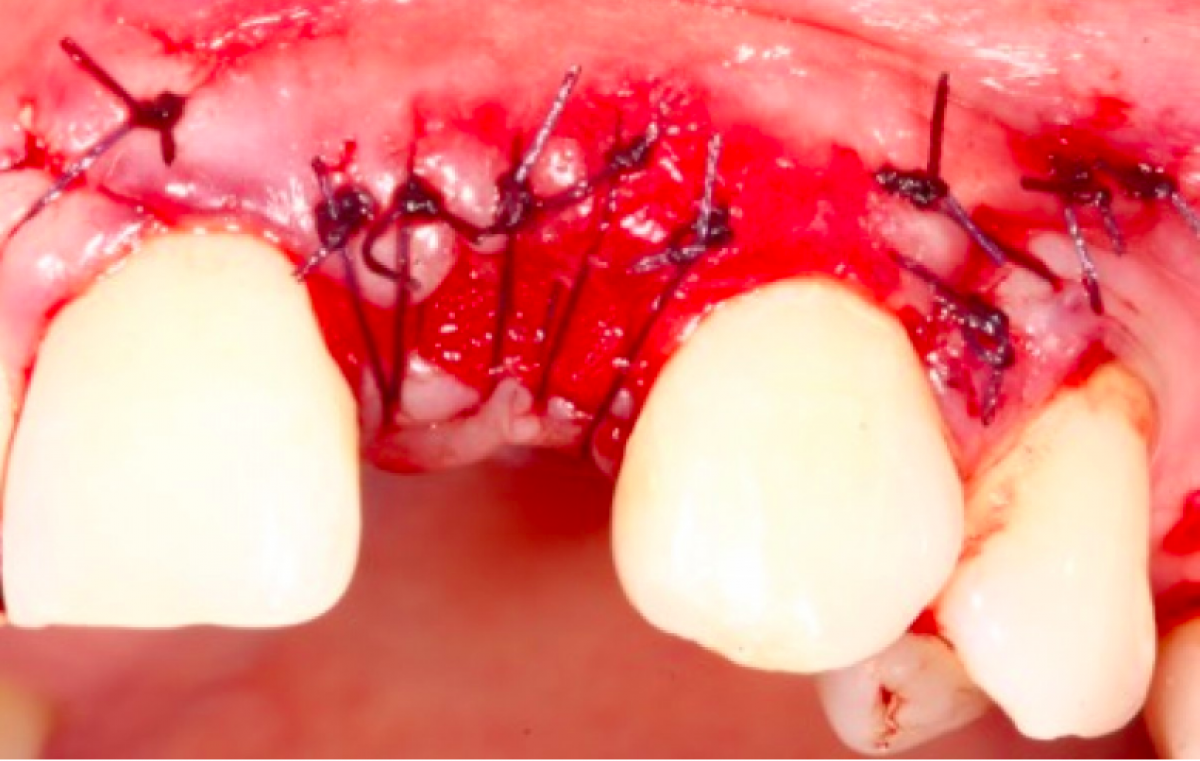
Fig. 3 Closure with Mucoderm matrix, left partially exposed
The results at a 1-year follow-up showed an average gain of about 2 mm of the keratinized gingiva around the implants, both in width and in thickness, with an excellent stability of the peri-implant tissues during the observation period. The use of this membrane has made it possible to avoid the picking from the palate of a connective tissue graft, with excellent aesthetic and functional results.
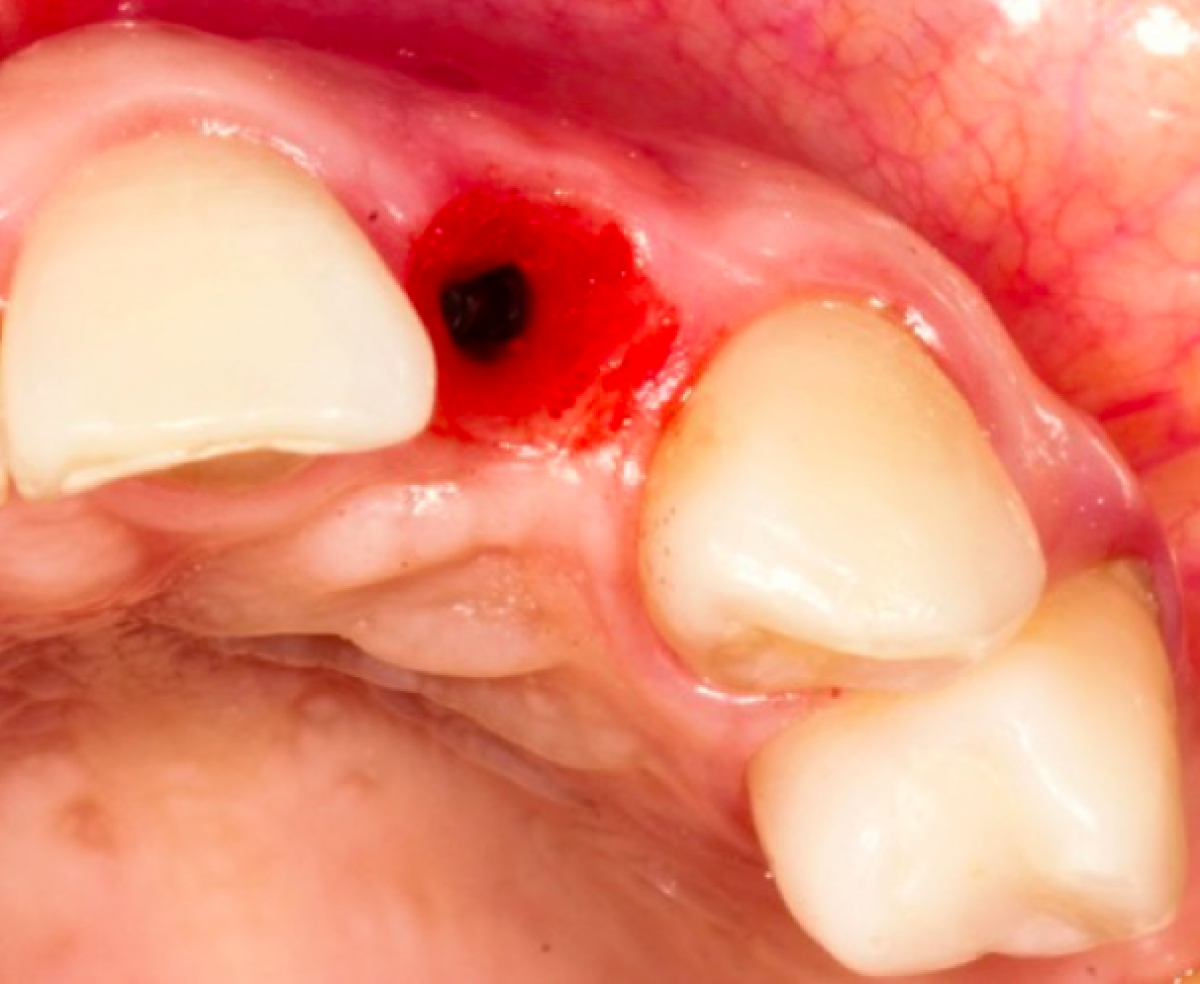
Fig. 4 Postoperative clinical situation at one year of follow-up
 Related articles
Implantology 10 July 2026
This peer-reviewed implantology article summarizes clinical evidence from Clinical oral implants research (2026). It focuses on findings that may help dental professionals evaluate treatment...
Digital Dentistry 20 April 2026
To report a fully digital and guided immediate-load All-on-4 protocol conducted in Brazil on a 59-year-old male patient with an edentulous maxilla and a history of oropharyngeal cancer surgery,...
ONEDAYBIOTECH products garner honor as one of the 16th Annual Readers’ Choice Top 25 Implant Products
Implantology 03 February 2026
Bone Structure, Metabolism, and Physiology Its Impact on Dental Implantology
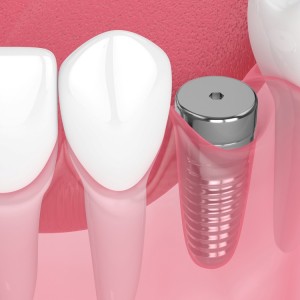
When placing implants in the mandible or maxilla, it is important for clinicians to understand the process of bone remodeling, the different types of bone, and how these factors can affect the...
Endodontics 02 February 2026
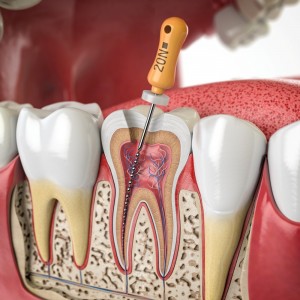
Read more

The Sonicare brand’s first electric toothbrush powered by on-device AI and real-time spatially aware guidance helps patients brush with greater coverage and confidence for ultimate
News 15 July 2026
Young Innovations, a leading global manufacturer and distributor of dental supplies and equipment, announced the appointment of Rebecca Whitney as Chief Executive Officer, effectiv
For the second year in a row, the American Association of Orthodontists will celebrate Smiles at 7 Day on July 7.
Achievement and service take center stage as the University of Colorado Anschutz School of Dental Medicine honors the Doctor of Dental Surgery (DDS) Class of 2026.
Oral pathology 15 July 2026
This peer-reviewed oral pathology article summarizes clinical evidence from BMC oral health (2024). It focuses on findings that may help dental professionals evaluate treatment decisions, patient...


Copyright © 2026 - All Rights Reserved
ISSN 2767-1178