


Platform switching vs platform matching: a radiographic analysis of marginal bone loss
Authors: Graziano Montaruli, Susanna Maffione, Giuseppe Troiano, Michele Tepedino, Michele Laurenziello, Luigi Laino, Lorenzo Lo Muzio

A considerable literature claimed that the use of platform switching protocol reduces the exposure of bone crest to the effects of inflammation at implant-abutment junction.
The objective of this study was to evaluate differences in marginal bone loss (MBL) between sites treated with platform switching (PS) protocol and sites treated with platform matching (PM) protocol, evaluating the existence of an advantage that PS can bring in the process of bone remodeling.
Materials and methods. A retrospective study based on the analysis of a series of data on patients undergoing implant-prosthetic treatment was carried out. A total of 24 patients were included in the cohort, of these: 12 patients were treated with a PS approach and formed the test group, while 12 patients were treated with a PM protocol forming the control group. A total of 36 external connection implants were evaluated: out of 15 implants the PS protocol was applied and on 21 the PM protocol. For each patient, periapical radiographs were made using the long-cone technique at the end of the surgical phase (T0) and at the end of the prosthetic phase.
A time range of 4-6 months was considered, between the surgical phase and the delivery of the definitive prosthesis. All the implants underwent a non-submerged healing process. After collecting all the oral radiographs in T0 and T1 for each implant of each patient from both study groups, the bone height around the implant with the AutoCAD® program was assessed on each oral radiograph.
Measurements have been made on both mesial and distal bone height of the fixture. In this way it was possible to evaluate both the initial marginal bone level at T0 (I-MBL) and the final marginal bone level at T1 (F-MBL) around to the implants treated with the PS or PM protocol.
Subsequently, the Marginal Bone Loss (∆-MBL) was calculated as a difference between I-MBL and F-MBL at both mesial and distal side of the implant, in addition the average ∆-MBL between mesial and distal aspect was also calculated.
Results. After elaborating the measurements taken at the mesial and distal levels for each implant at T0 and T1, and after calculating all the averages in both study groups, the total averages were calculated.
The data were subjected to statistical analysis by means of the independent samples Mann-Whitney U Test, in order to compare the MBL results obtained at implant level.
Results of this study revealed a significant lower distal ∆-MBL in the PS group than in the PM group. Indeed, both mesial ∆-MBL and average ∆-MBL showed no statistically significant differences between the two groups.
Conclusions. At mesial MBL and the average of the two MBL there were no statistically significant results that allow to prefer one protocol instead to the other.
Radiographic evaluation of ∆-MBLs between implants treated with PS and PM protocols showed small differences in favor of the PS protocol at mesial side, while no differences were detected at distal side and as average between the two sites.
The results obtained can be integrated by a medium-long term radiographic follow-up, thus analyzing the changes of mesial and distal MBL over time.
Clinical significance. Within the limits of this study, it is considered advisable to apply the surgical/prosthetic platform switching protocol in order to obtain a homogeneous and predictable response of hard tissues, reducing the rate of peri-implantal bone resorption.
 Related articles
Implantology 20 November 2021
Platform switching vs platform matching: a radiographic analysis of marginal bone loss

Authors: Graziano Montaruli, Susanna Maffione, Giuseppe Troiano, Michele Tepedino, Michele Laurenziello, Luigi Laino, Lorenzo Lo Muzio
A considerable literature claimed that the use of platform switching protocol reduces the exposure of bone crest to the effects of inflammation at implant-abutment junction.The objective of this...
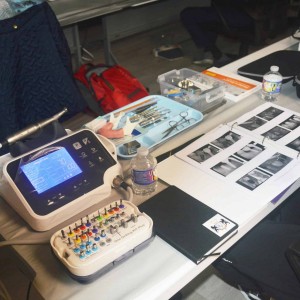
New York Implant Institute now offers live online participation for its hands-on implant training courses, allowing registered doctors to participate remotely via Zoom.
News 02 October 2026
New York Implant Institute Plans Live Patient Surgery Courses
Institute offers a variety of hands-on implant training through its dental implant CE courses and live surgery courses.
Products 23 September 2026
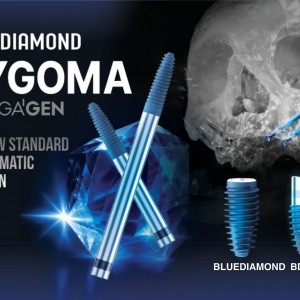
New zygomatic implant system brings MegaGen’s BLUEDIAMOND engineering, XPEED® surface technology, and flexible prosthetic solutions to complex full-arch rehabilitation.
News 16 September 2026
Read more
Products 14 October 2026

Royal Philips (NYSE: PHG, AEX: PHIA) announced that the Philips Sonicare Next-Generation DiamondClean 9900 Prestige, its most advanced and intelligent toothbrush to date, is now av

Key transaction by Heartland Dental and its supported practices expands opportunities for supported doctors, teams, and practices while strengthening Heartland Dental’s supported f
News 14 October 2026
Henry Schein Cares Celebrates 25 Years of Corporate Citizenship

Henry Schein Cares, Henry Schein, Inc.’s global corporate citizenship program, is celebrating a quarter century of bringing together Team Schein Members, customers, supplier partne
Editorials 14 October 2026
Scholarship at the CU Anschutz School of Dental Medicine reflects the collective contributions of our faculty, staff, residents and students.
Oral Hygiene & Prevention 14 October 2026
Propolis-containing formulations in caries prevention - a systematic review and meta-analysis.

This peer-reviewed oral hygiene & prevention article summarizes clinical evidence from Clinical oral investigations (2026). It focuses on findings that may help dental professionals evaluate...



Copyright © 2026 - All Rights Reserved
ISSN 2767-1178