


Bioactive cements in endodontics: is the use as a root canal sealer suitable?
Renzo Raffaelli
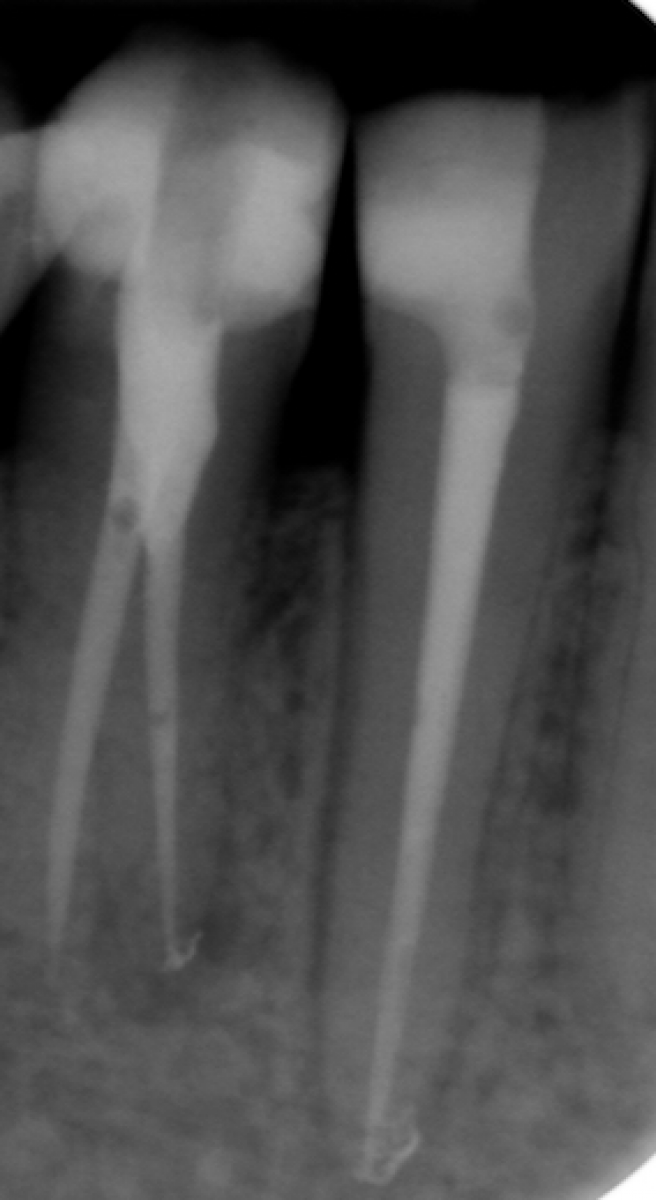
The role of bioactive cements in endodontics has been widely debated since the last few years; some of the data are still uncertain and most of them are related to: the clinical applications of MTA and other BECs for apexification, regenerative endodontics, perforation repair, root canal filling, root-end filling, restorative procedures, periodontal defects and treatment of vertical and horizontal root fractures.
Root canal fillings have been investigated mostly on “in vitro” models, leading to a summary of features: the ability to set and to seal in moist and blood-contaminated environments, biocompatibility, adequate mechanical properties.
Antibacterial role is still to be demonstrated but it could be derived from the one demonstrated by Mineral Trioxide Aggregate studies.
The opportunity to seal root canal after shaping is strongly related to the quality of the seal achieved in the whole root canal; a technique might be to mix the liquid/powder component in capsule and to inject into the root canal by micro-syringe provided by a 30 to 27 gauge metal tip.
The gutta-percha point inserted into the root canal properly, adapting it to a size almost equal to the one employed to shape the apical terminus. Not wider, not smaller. Here are exposed a couple of cases made by shaping the root canal with a NiTi instrumentation technique and followed up for 9 to 12 months (Fig. 1-6).
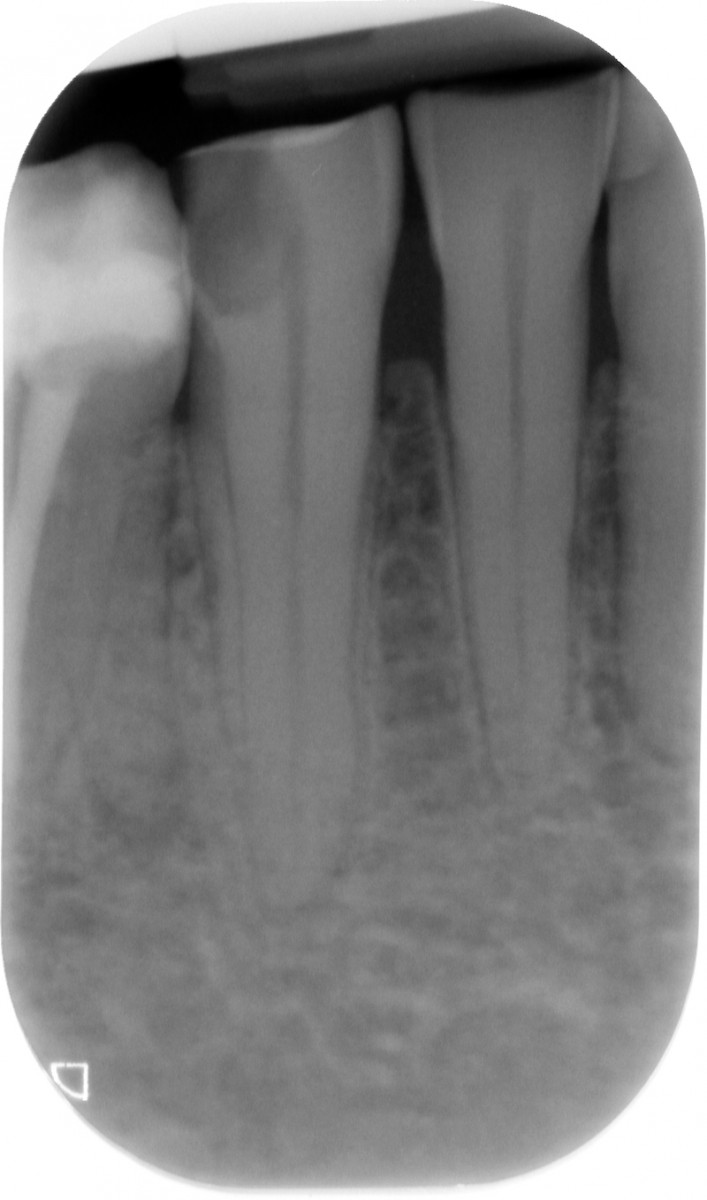
Fig. 1: A pulp disease lead to the endodontic treatment of lower left canine
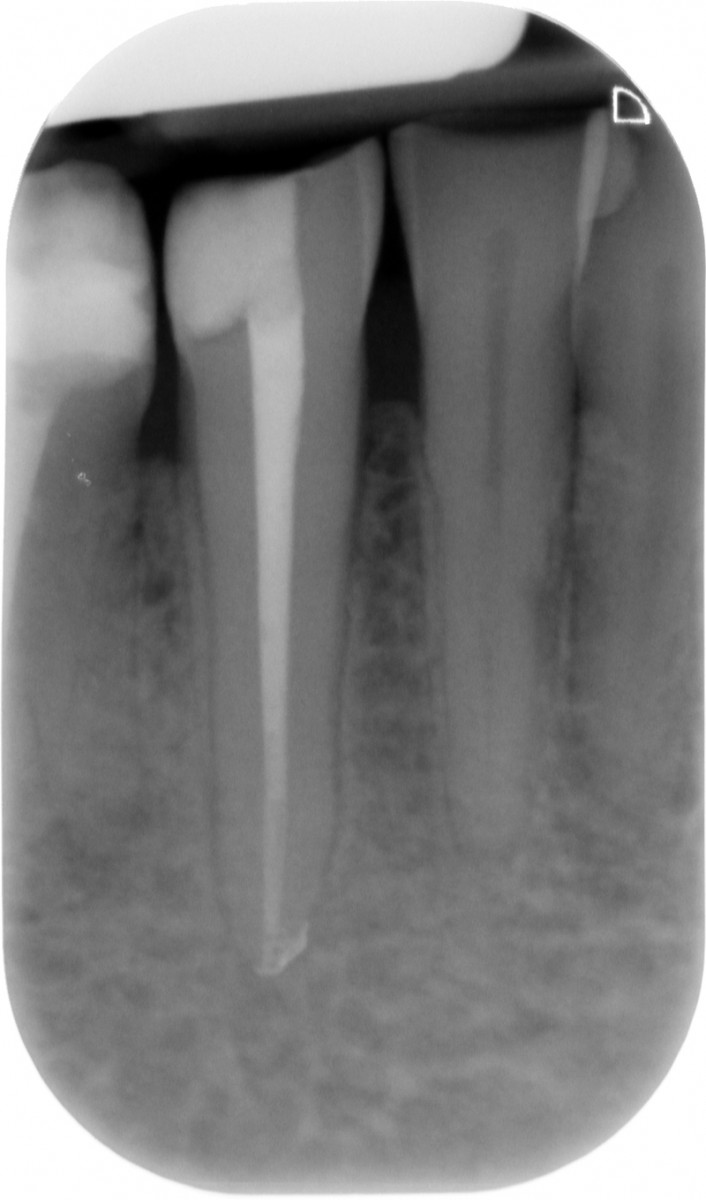
Fig. 2: The complete filling by endodontic bioactive sealer
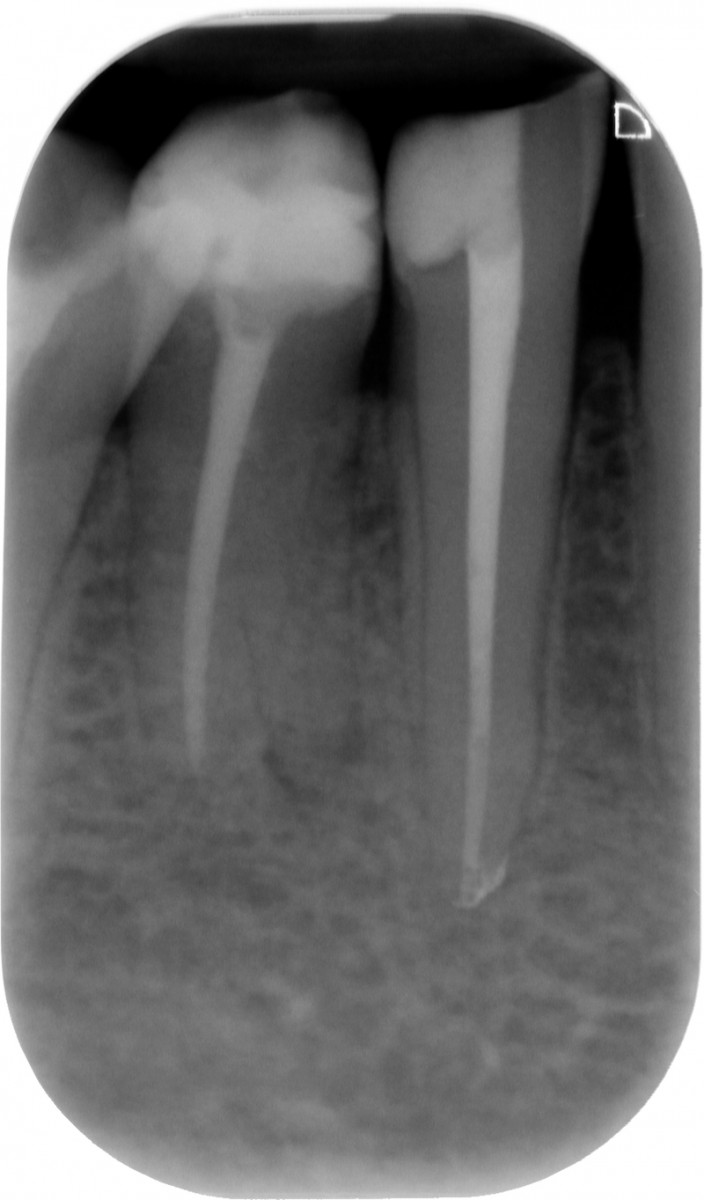
Fig. 3: During a follow up (6 months later) visit a hidden radix was found in adjacent premolar
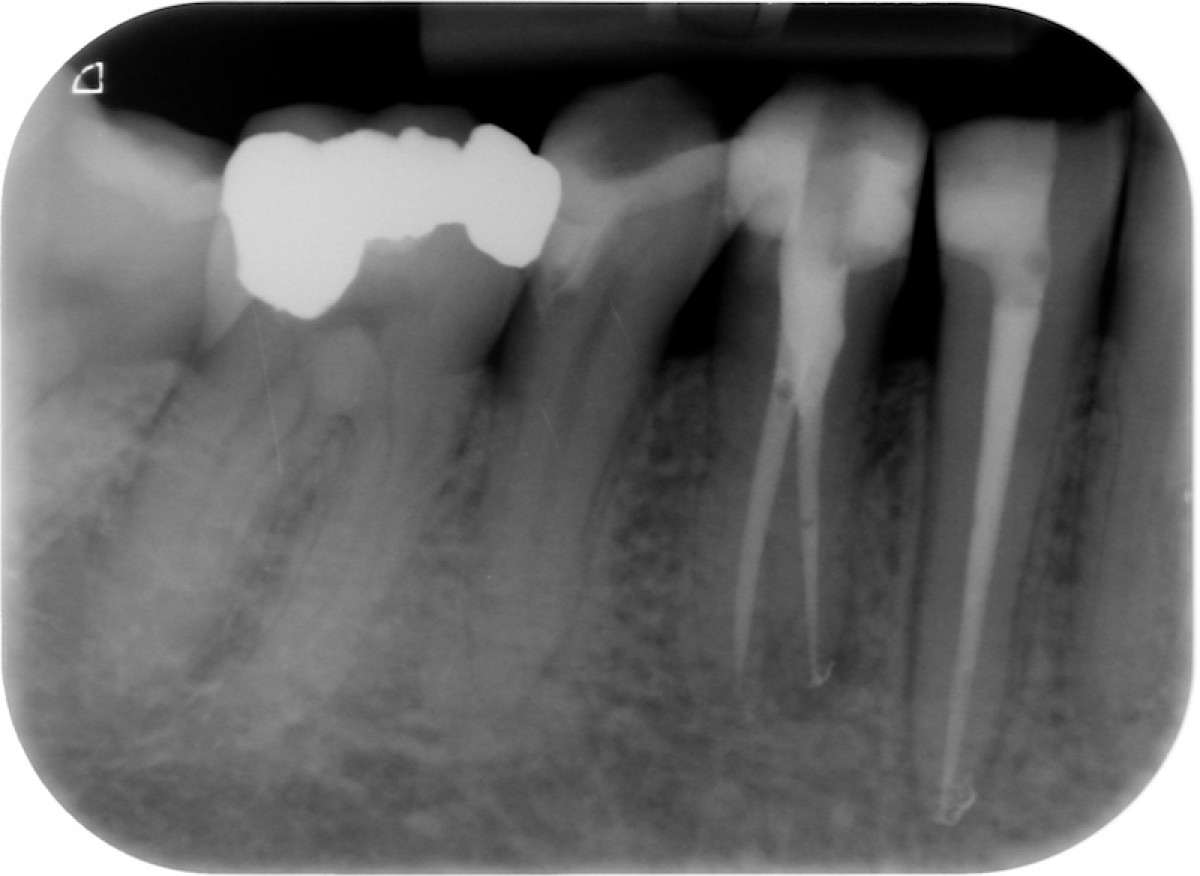
Fig. 4: A new root canal treatment was performed and the root canal was sealed by endodontic bioactive sealer
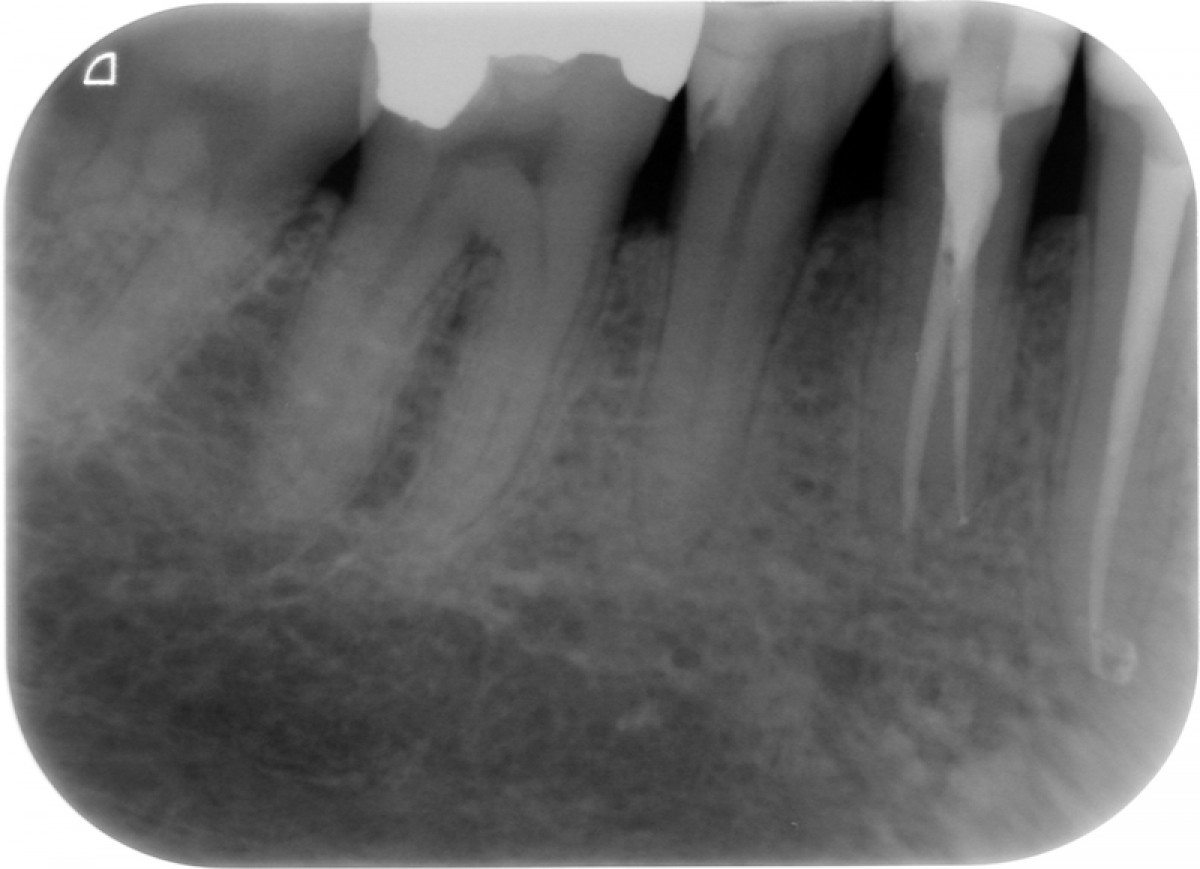
Fig. 5: A three months follow-up
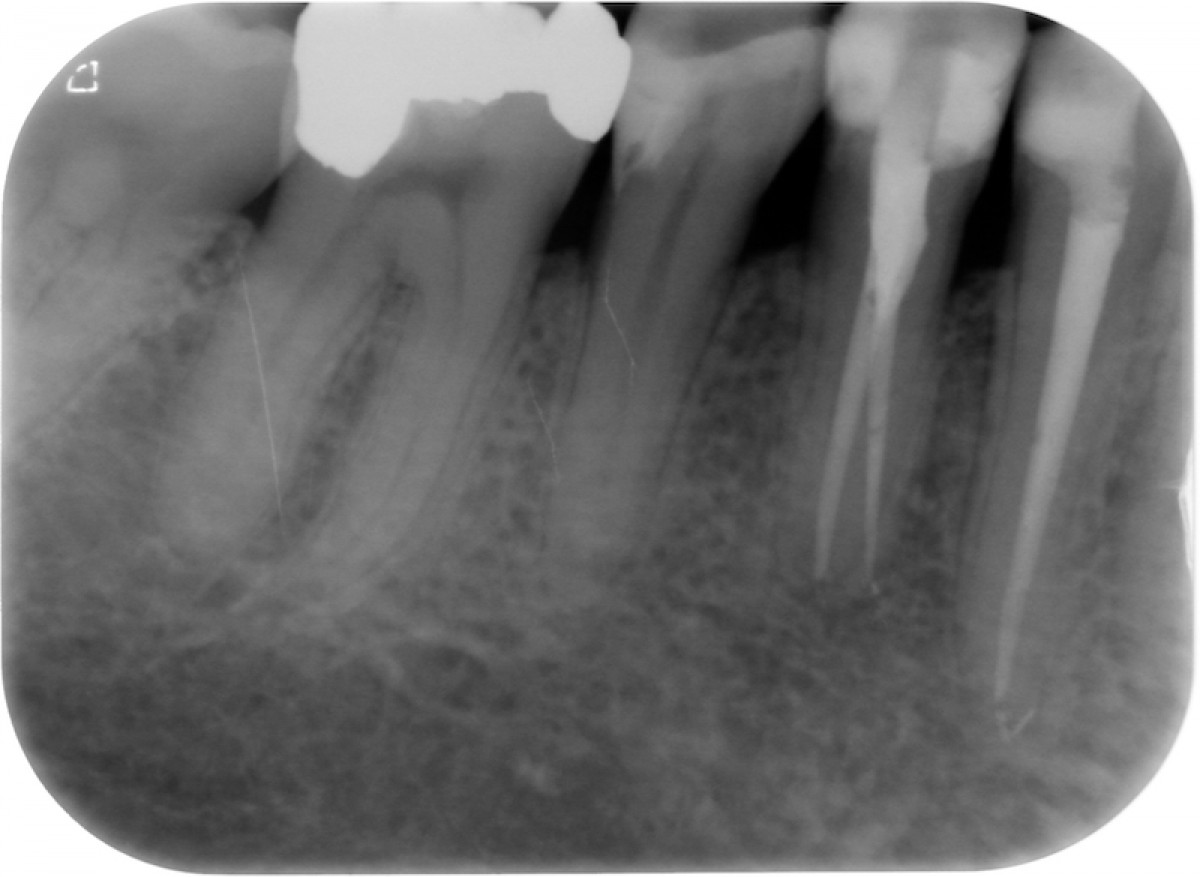
Fig. 6: One year follow-up
It’s encouraging its easy handling and quite precise adaptation to the apical part of the root canal. The periapical healing, assessed by 2D-Rx, is considered satisfactory but further analysis and clinical studies related to these particular cements should be performed to confirm the first encouraging results.
 Related articles
Endodontics 19 October 2026
This peer-reviewed endodontics article summarizes clinical evidence from International endodontic journal (2026). It focuses on findings that may help dental professionals evaluate treatment...
Endodontics 19 October 2026

This peer-reviewed endodontics article summarizes clinical evidence from BMC oral health (2026). It focuses on findings that may help dental professionals evaluate treatment decisions, patient...
Endodontics 12 October 2026
This peer-reviewed endodontics article summarizes clinical evidence from Journal of dentistry (2026). It focuses on findings that may help dental professionals evaluate treatment decisions, patient...
Endodontics 05 October 2026
This peer-reviewed endodontics article summarizes clinical evidence from Journal of dentistry (2026). It focuses on findings that may help dental professionals evaluate treatment decisions, patient...
Endodontics 01 October 2026
This peer-reviewed endodontics article summarizes clinical evidence from International endodontic journal (2026). It focuses on findings that may help dental professionals evaluate treatment...
Read more
News 19 October 2026

Milestone achieved approximately two years after full commercial launch reflects growing surgeon adoption and expanding use of EnFix across orthopedic sports medicine applications.
Editorials 19 October 2026
Expanded coverage: Texas A&M’s Plemons named 2026 Texas Dentist of the Year

Sometimes a small act of generosity can make a tremendous impression, especially on a 7-year-old.
Endodontics 19 October 2026
This peer-reviewed endodontics article summarizes clinical evidence from International endodontic journal (2026). It focuses on findings that may help dental professionals evaluate treatment...
Endodontics 19 October 2026
This peer-reviewed endodontics article summarizes clinical evidence from BMC oral health (2026). It focuses on findings that may help dental professionals evaluate treatment decisions, patient...
Products 19 October 2026




Copyright © 2026 - All Rights Reserved
ISSN 2767-1178