


Teaching apical patency, instrumentation and obturation techniques in U.S. dental schools

Introduction
Maintaining apical patency has been advocated to minimize canal transportation, ledge formation, and loss of working length, despite increasing debris extrusion. A previous study in 1997 by Cailleteau and Mullaney reported 50% of U.S. dental schools taught patency.
This present study aimed to evaluate recent trends in endodontic education in United States dental schools, in relation to the prevalence of maintaining apical patency and examining the primary methods of working length determination, instrumentation, obturation, and temporization.
Methods
A survey of 20 questions was distributed to 65 schools via e-mail and was available from July 2021 to September 2021.
Results
Seventy-three percent of the 46 responding schools reported that they teach patency, with 8% of this number reporting that they do so exclusively to endodontic residents. Notably, a significantly lower number of schools reported teaching patency exclusively to endodontic students compared with the Cailleteau and Mullaney study despite a significantly higher percentage of schools teaching patency overall.
The most common method used to determine working length was an electronic apex locator at the 0.5 reading. Vortex Blue was the most commonly used file system used by both predoctoral and postdoctoral programs.
Lateral condensation was the primary obturation technique taught in predoctoral programs, whereas warm vertical condensation was the primary obturation technique in postdoctoral programs.
The study also found that 57% of schools reported using intraorifice barriers, and the most common temporary filling was glass ionomer.
Conclusions
A greater portion of schools teaches patency compared with the previous study in 1997. The data collected in this survey may serve as a baseline for similar studies in the future regarding changes in endodontic education over time.
Tiffany Do et al. "Prevalence of Teaching Apical Patency and Various Instrumentation and Obturation Techniques in United States Dental Schools: Two Decades Later." Journal of Endodontics. 6 July 2023. DOI: https://doi.org/10.1016/j.joen.2023.06.019.
 Related articles
Endodontics 01 September 2025

Many recent technological advancements have been made in the field of endodontics; however, comparatively few studies have evaluated their impact on tooth survival.
Read more
Products 15 October 2026
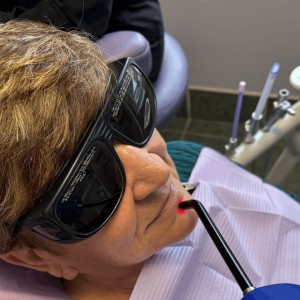
The belief in the healing power of light goes all the way back to ancient Egypt and the worship of Rah, the sun god.
Nearly half the world’s population is affected by oral disease—and the number of cases is rising.
News 15 October 2026

New office at 3170 R Street adds walk-in availability and same-day care options in a region where dental providers are in short supply

Each year, the University of Colorado Anschutz School of Dental Medicine (SDM) Excellence Awards recognize individuals whose dedication, leadership and innovation strengthen our mi
Oral surgery 15 October 2026

This peer-reviewed oral surgery article summarizes clinical evidence from International journal of oral and maxillofacial surgery (2026). It focuses on findings that may help dental professionals...



Copyright © 2026 - All Rights Reserved
ISSN 2767-1178