


An endodontic forecasting model based on preoperative dental radiographs

Introduction
This study aimed to evaluate the use of deep convolutional neural network (DCNN) algorithms to detect clinical features and predict the three-year outcome of endodontic treatment on preoperative periapical radiographs.
Methods
A database of single-root premolars that received endodontic treatment or retreatment by endodontists with presence of three-year outcome was prepared (n = 598). Researchers constructed a 17-layered DCNN with a self-attention layer (Periapical Radiograph Explanatory System with Self-Attention Network [PRESSAN-17]), and the model was trained, validated, and tested to 1) detect 7 clinical features, that is, full coverage restoration, presence of proximal teeth, coronal defect, root rest, canal visibility, previous root filling, and periapical radiolucency and 2) predict the three-year endodontic prognosis by analyzing preoperative periapical radiographs as an input.
During the prognostication test, a conventional DCNN without a self-attention layer was tested for comparison. Accuracy and area under the receiver-operating-characteristic curve were mainly evaluated for performance comparison. Gradient-weighted class activation mapping was used to visualize weighted heatmaps.
Results
PRESSAN-17 detected full coverage restoration (area under the receiver-operating-characteristic curve = 0.975), presence of proximal teeth (0.866), coronal defect (0.672), root rest (0.989), previous root filling (0.879), and periapical radiolucency (0.690) significantly, compared to the no-information rate (P < .05).
Comparing the mean accuracy of 5-fold validation of 2 models, PRESSAN-17 (67.0%) showed a significant difference to RESNET-18 (63.4%, P < .05). Also, the area under average receiver-operating-characteristic of PRESSAN-17 was 0.638, which was significantly different compared to the no-information rate. Gradient-weighted class activation mapping demonstrated that PRESSAN-17 correctly identified clinical features.
Conclusions
Deep convolutional neural networks can detect several clinical features in periapical radiographs accurately. Based on our findings, well-developed artificial intelligence can support clinical decisions related to endodontic treatments in dentists.
Junghoon Lee et al. "An Endodontic Forecasting Model Based on the Analysis of Preoperative Dental Radiographs: A Pilot Study on an Endodontic Predictive Deep Neural Network." Journal of Endodontics. 4 April 2023. DOI: https://doi.org/10.1016/j.joen.2023.03.015
 Tag
Tag
Related articles

Artificial intelligence (AI) is the development of computer systems whereby machines can mimic human actions. This is increasingly used as an assistive tool to help clinicians diagnose and treat...
Endodontics 01 September 2025

Many recent technological advancements have been made in the field of endodontics; however, comparatively few studies have evaluated their impact on tooth survival.
Endodontics 18 August 2025
Factors influencing the long-term results of endodontic treatment: a review of the literature

The purpose of this review of the literature is to examine the factors and their influence on the outcome of endodontic treatments, and also to attempt to have an authors’ consensus concerning the...
Endodontics 27 February 2025

Apical extrusion of infected debris to the periradicular tissues is one of the principal causes of postoperative pain and discomfort.
Endodontics 12 February 2025
Evaluation of the Role of Probiotics in Endodontic Treatment

The principal goal of endodontics is the prevention of periapical infection. Acute and chronic apical periodontitis occur due to the persistence of pathogenic microorganisms such as Enterococcus...
Read more
Products 15 October 2026
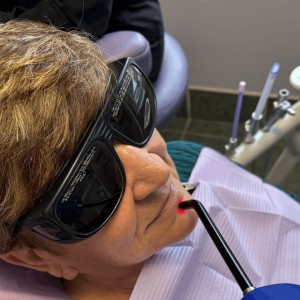
The belief in the healing power of light goes all the way back to ancient Egypt and the worship of Rah, the sun god.

Nearly half the world’s population is affected by oral disease—and the number of cases is rising.
News 15 October 2026

New office at 3170 R Street adds walk-in availability and same-day care options in a region where dental providers are in short supply

Each year, the University of Colorado Anschutz School of Dental Medicine (SDM) Excellence Awards recognize individuals whose dedication, leadership and innovation strengthen our mi
Oral surgery 15 October 2026
This peer-reviewed oral surgery article summarizes clinical evidence from International journal of oral and maxillofacial surgery (2026). It focuses on findings that may help dental professionals...



Copyright © 2026 - All Rights Reserved
ISSN 2767-1178