


The influence of three different instrumentation techniques on the incidence of postoperative pain after endodontic treatment
Aims.
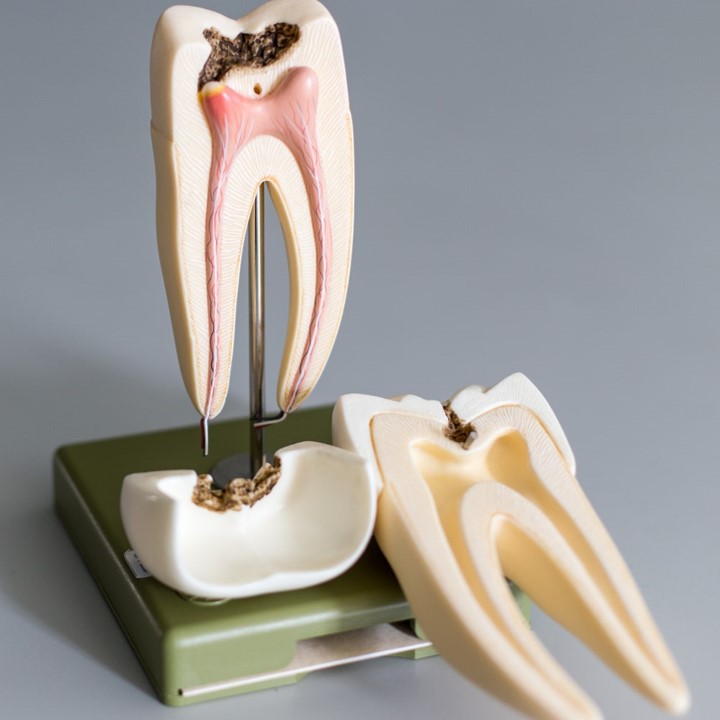
Apical extrusion of infected debris to the periradicular tissues is one of the principal causes of postoperative pain and discomfort. Recent researches have shown that reciprocating instrumentation techniques seem to significantly increase the amount of debris extruded beyond the apex and, consequently, the risk of postoperative pain. The goal of the present study was to evaluate and compare postoperative pain using three different nickel-titanium instrumentation techniques: a rotary crown-down technique using TF instruments (SybronEndo, Orange, Ca), a reciprocating single-file technique using WaveOne instruments (Maillefer DEntsply, Baillagues, CH), and a novel instrumentation technique (TF Adaptive, SybronEndo, Orange, Ca), using a unique, proprietary movement, combining reciprocation and continuous rotation.
Methods.
Ninety patients requiring endodontic treatment on permanent premolar and molar teeth with non vital pulps preoperatively were included in the study. The patients were assigned into three groups of 30 patients each, trying to make the groups very similar, concerning the number of root canals, presence of initial pain and periapical lesions. The teeth in group 1 (n = 30) were instrumented with a crown-down technique using TF instruments, whilst those in group 2 (n = 30) were instrumented with a single-file technique using Waveone 08 25. The third group (n = 30) used the 3-file Tf Adaprtive sequence. All techniques were performed following manufacturers’ instructions and all canals were shaped, cleaned and obturated in a single-visit by the same operator. The assessment of postoperative pain was carried out at 3 days by using a visual analogue scale. VAS pain scores were compared using one-way ANOVA post hoc Tukey test. A value of p < 0.05 was required for statistical significance.
Results.
Results for VAS pain scores showed a statistically significant difference was found between the WaveOne (p=0,021) technique and the other two techniques. No statistical significant differences were found between TF and TF Adaptive (p= 0,087).
When evaluating patient experiencing sever pain the incidence of symptoms was significantly higher with the WaveOne technique.
Conclusions.
Since the incidence of preoperative pain, the type of tooth and the pulp and periodontal pathology were quite similar between the three tested groups, and all the other variables (operator, irrigation, obturation) were identical, we may conclude that the difference in postoperative pain can be mainly related to the different instrumentation techniques.
Source: https://pmc.ncbi.nlm.nih.gov/
 Tag
Tag
Related articles
The purpose of this study was to evaluate the difference in grading of objective structured clinical examinations (OSCEs) at Harvard School of Dental Medicine (HSDM) by full-time faculty examiners,...
Endodontics 17 February 2026
Treatment options for endodontic failure include nonsurgical or surgical endodontic retreatment, intentional replantation, and extraction with or without replacement of the tooth.
Products 05 February 2026

Dr. Anissa Broussard, founder and CEO of Digital Floss, has been named the 2025 Nifty Thrifty Industry Influencer of the Year by the Nifty Thrifty Dentists community.
Restorative dentistry 29 September 2025

Describes the views of dentists with differing backgrounds on the restorative management of failing bridgework.
Oral surgery 15 July 2025
The influence of patients' decisions on treatment planning in restorative dentistry

As part of treatment planning, options are presented to patients by dentists. An informal discussion takes place involving a cost-benefit analysis and a treatment plan is agreed.
Read more
Products 25 September 2026
Shofu Dental’s line of dental restorative materials now includes FX-LC, a next-generation, light-cure, resin-reinforced glass ionomer formulated to deliver high strength, efficient 4
News 25 September 2026

The scholarships are part of an ongoing workforce solutions strategy to help address the need for skilled dental hygienists
News 25 September 2026

Michael Riccobene celebrates teamwork, community and more than 25 years of growth as one of sports’ most iconic trophies makes a special stop in Garner.
Editorials 25 September 2026

Oral surgery 25 September 2026
This peer-reviewed oral surgery article summarizes clinical evidence from International journal of oral and maxillofacial surgery (2026). It focuses on findings that may help dental professionals...



Copyright © 2026 - All Rights Reserved
ISSN 2767-1178