


Nickel Titanium vs M-Wire vs Gold Wire: which guarantees the best root canal shaping?
Simona Chirico
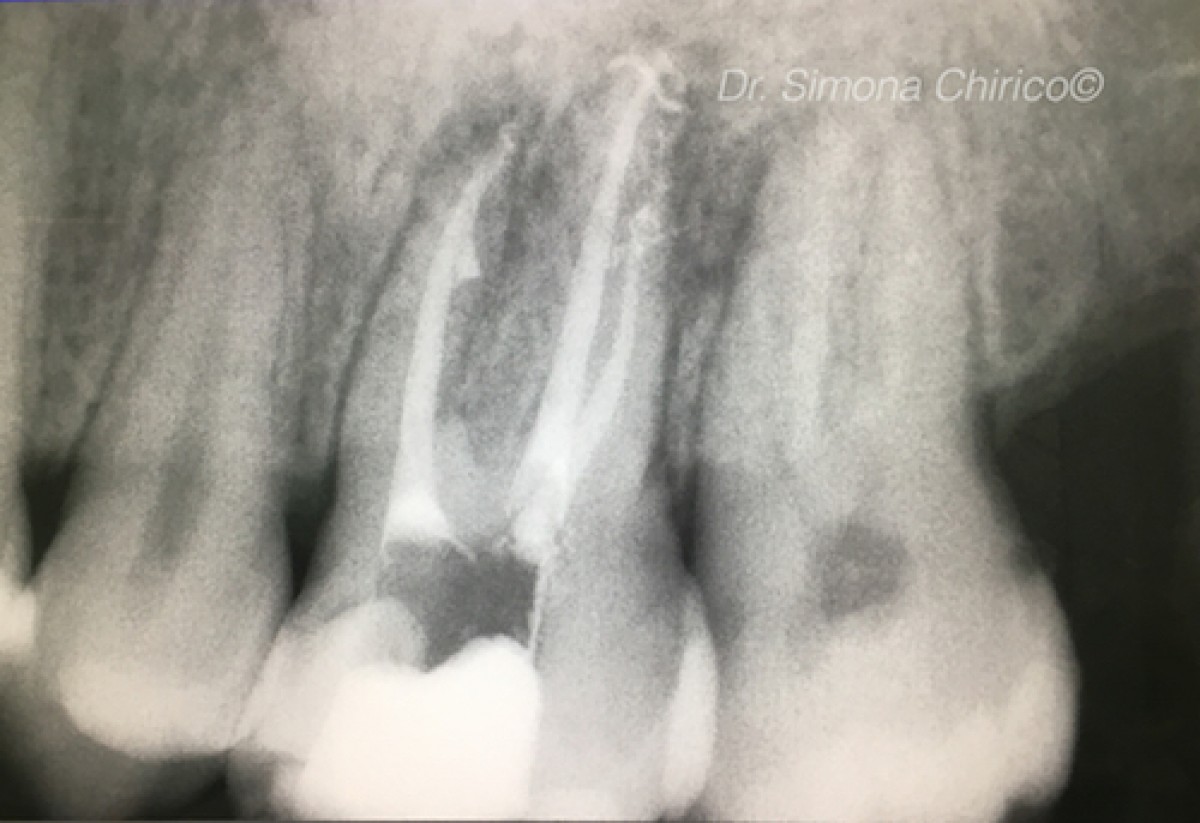
In these years, different kind of rotary instruments were created for root canal shaping. The aim of using these instruments was to create a correct tapered shaped canal in order to respect the original canal anatomy and avoid canal transportation, ledge formation and perforations. Rotary instruments can be of different wire: Nichel Titanium, M-Wire, Gold-wire.
Which is the best between these?
The study published in the Journal of Endodontics by Van Der Vyver et al tried to answer this question. In fact, the aim of this study was to was to evaluate the root canal shaping effect of instruments manufactured from nickel titanium, M-Wire, and Gold wire with different glide path preparation techniques
MATERIALS AND METHODS
135 mesiobuccal canals of extracted human maxillary molars were randomly divided into 3 equal groups (N = 45) for glide path preparation with K-files (KF) (Dentsply Sirona, Ballaigues, Switzerland), One G (OG) files (Micro-Mega, Besanc ̧on, France), and ProGlider (PG) files (Dentsply Sirona). Specimens of each glide path group were further divided equally into 3 groups for instrumentation with ProTaper Next (PTN, Dentsply Sirona), One Shape (OS, Micro-Mega), and WaveOne Gold (WOG, Dentsply Sirona) systems (n = 15). Micro–computed tomographic imaging was used to scan teeth before instrumentation and after shaping to compare centering ratio and canal transportation values at the apical, midroot, and coronal levels and the overall changes in canal volume. Data sets were statistically analyzed (analysis of variance and Kruskal-Wallis H tests).
RESULTS
Apical canal transportation was recorded, in particular, in the groups with the combination of K-file plus One Shape (K+OS) and K-file plus Protaper Next (K+PTN) (P = .003).
Mid-root canal transportation was recorded in groups with the combination of: K-file plus Protaper Next (K+PTN), K-file plus One Shape (K+OS), and One G plus One Shape (OG+OS) (P = .0003).
Coronal canal transportation was recorded in groups with the combination of: k-file plus protaper next (K+PTN) and k-file plus One Shape (K+OS) (P = .011). The lowest canal volume changing was recorded in the group with the combination of Proglider and WaveOne Gold (PG+WOG); the highest in the groups with Protaper Next (PTN).
CONCLUSIONS
Proglider with the WaveOne Gold can guarantee the best preservation of root canal structure and volume during the shaping. This isn't the same when we use K-file with nickel titanium instruments or M-wire instruments, which remove more dentin from the canal walls.
(Photocredit: Dr. Simona Chirico)
 Related articles
Endodontics 12 October 2026
This peer-reviewed endodontics article summarizes clinical evidence from Journal of dentistry (2026). It focuses on findings that may help dental professionals evaluate treatment decisions, patient...
Endodontics 05 October 2026
This peer-reviewed endodontics article summarizes clinical evidence from Journal of dentistry (2026). It focuses on findings that may help dental professionals evaluate treatment decisions, patient...
Endodontics 01 October 2026
This peer-reviewed endodontics article summarizes clinical evidence from International endodontic journal (2026). It focuses on findings that may help dental professionals evaluate treatment...
Endodontics 28 September 2026
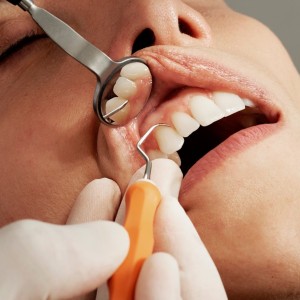
This peer-reviewed endodontics article summarizes clinical evidence from Journal of dentistry (2026). It focuses on findings that may help dental professionals evaluate treatment decisions, patient...
Endodontics 21 September 2026
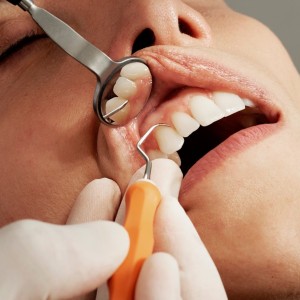
This peer-reviewed endodontics article summarizes clinical evidence from Journal of dentistry (2026). It focuses on findings that may help dental professionals evaluate treatment decisions, patient...
Read more
Solutions is an Edra professional dentistry reference focused on clinical practice, education and treatment planning.
Products 16 October 2026
Karen Davis on Philips Sonicare DiamondClean 9900 Prestige & Smarter Brushing

News 16 October 2026
Align Technology to Report Q3 2026 Financial Results October 28
(Nasdaq: ALGN), a leading global medical device company that designs, manufactures, and sells the Invisalign® System of clear aligners, iTero™ intraoral scanners, and exocad™ CAD/C
News 16 October 2026
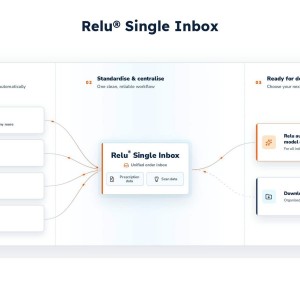
Fewer people on intake, faster turnaround, and no lost cases: Relu’s new automation captures and centralizes every scan and Rx from every source within a minute of arrival
Editorials 16 October 2026

Achievement and service take center stage as the University of Colorado Anschutz School of Dental Medicine honors the Doctor of Dental Surgery (DDS) Class of 2026.



Copyright © 2026 - All Rights Reserved
ISSN 2767-1178