


Root canal posts and cores: a recent retrospective study evaluates the survival at 16 years
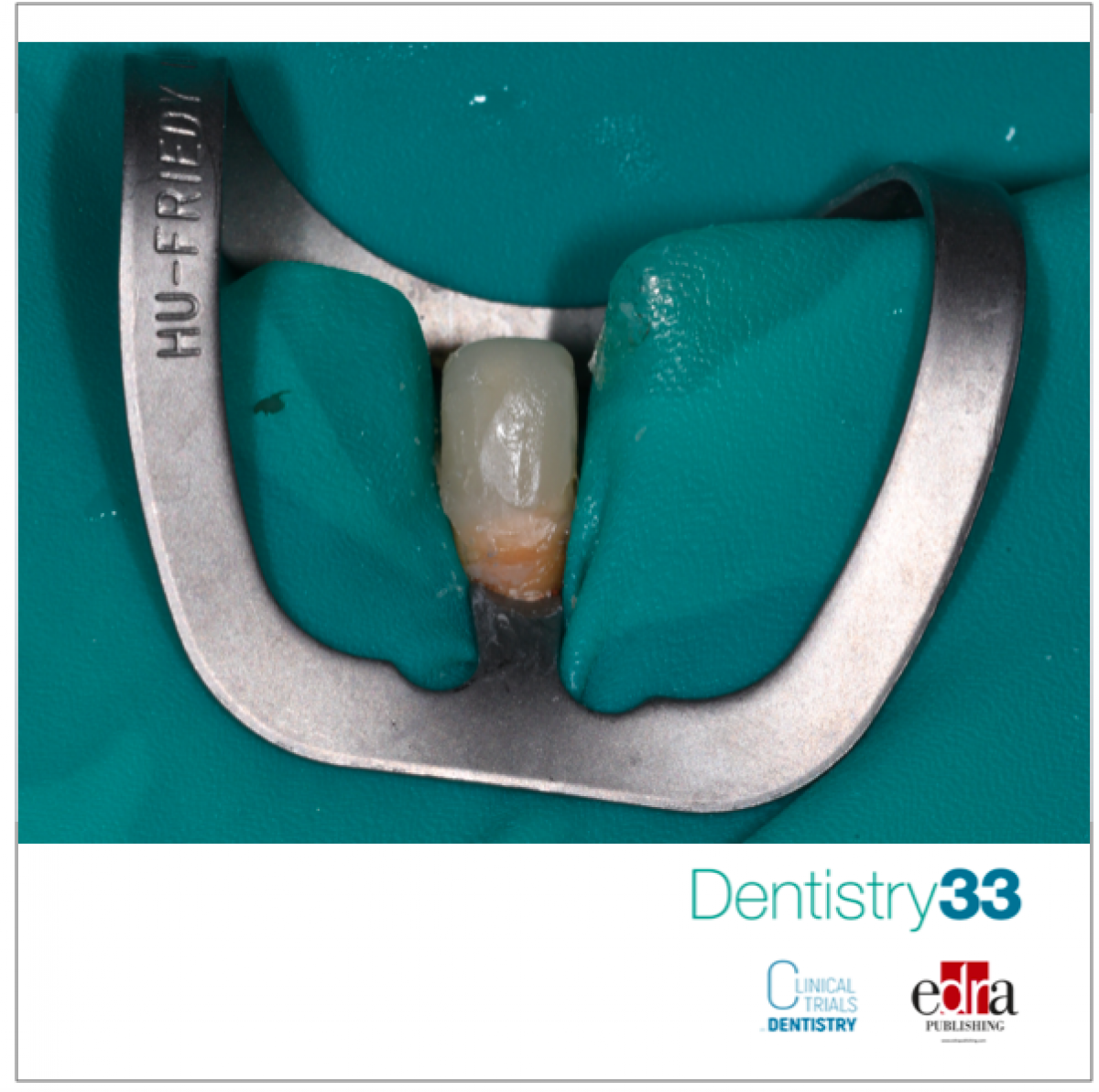
What best describes the clinical success of a dental treatment, be it prosthetic, conservative, endodontic, implant etc. it is its long survival. Specifically, Balkenhol et al. in 2007 investigated the survival of root canal posts and their cores in a retrospective study including patients between 1995 and 2004 concluding that the indication for performing an root canal post-based reconstruction should be mainly determined by the type of crown expected above, should provide a high primary friction for conventional cementation, only the indirect manufacturing technique and not the use of semi-precious alloys. Many authors subsequently in the literature have studied the influence of cofactors on the survival time of the posts, which can be the type of overlying prosthetic restoration, the type of tooth or the restorative material, the ferrule effect and the type of post used.
But what are the survival data of these most recent treatments?
Materials and methods
In a retrospective study, to be published in the February 2022 issue of the Journal of Dentistry, the authors examined the influence of various parameters on the survival probability of reconstructions made with root canal posts.
653 patients received a total of 953 post-rehabilitations between 2004 and 2020.
The following parameters were analyzed, in addition to general demographics (age and sex of patients):
• Observation period (cementation date / final observation date or failure)
• Status (success / failure)
• In case of failure what kind of failure
• Position (upper / lower jaw)
• Type of tooth (anterior / premolar / molar)
• Bone attack (physiological:> 75% and pathological: <75%)
• Type of cover prosthetic restoration (crown / bridge / primary with RPD crown)
• Fixing material used (conventional cement / adhesive cement)
• Post and core material used (high gold content alloy / non-precious alloy / fiber-reinforced resin).
The probability of survival was assessed using the Kaplan-Meyer analysis. Cox regression was used to assess the risk of failure and identify possible covariables.
Results
The average survival time of the posts and their cores was found to be 10.9 years. The cumulative failure rate was 28.2%. A significant influence on survival time (Kaplan-Meyer analysis) was found for the parameters: type of prosthetic restoration, position and type of tooth, material of the post and core used and bone attachment. Multifactorial survival analysis (Cox regression) showed a significant influence of patient age on post duration time, and bone attachment.
Conclusions
From the data from this study, which need to be confirmed in other similar studies, it can be concluded that changes in the decision-making process of post-2004 endodontic post reconstructions did not lead to significantly longer or more likely survival times. The decision whether or not to perform a post- reconstruction should be made carefully based on the prosthetic crown that will be placed, the bone attachment present and the age of the patient. Less crucial is the choice of post type and build-up material as all materials studied in the present study showed comparable results when it comes to survival and success. Among the materials investigated, only semi-precious alloys should be avoided for post and core restorations.
Clinical implications
Faced with the choice of whether or not to conduct a post and core rehabilitation, the clinician must take into account the age of the patient and what type of crown will be placed in the decision-making choice. Post and core restorations should be avoided in RPDs treatments. Even a strict recall program with particular attention to the load balance between the tooth and the edentulous alveolar ridge cannot increase the probability of survival.
For additional information: Survival time of cast post and cores: a 10-year retrospective study
 Read more
Products 14 October 2026
Royal Philips (NYSE: PHG, AEX: PHIA) announced that the Philips Sonicare Next-Generation DiamondClean 9900 Prestige, its most advanced and intelligent toothbrush to date, is now av

Key transaction by Heartland Dental and its supported practices expands opportunities for supported doctors, teams, and practices while strengthening Heartland Dental’s supported f
News 14 October 2026
Henry Schein Cares Celebrates 25 Years of Corporate Citizenship

Henry Schein Cares, Henry Schein, Inc.’s global corporate citizenship program, is celebrating a quarter century of bringing together Team Schein Members, customers, supplier partne
Editorials 14 October 2026
Scholarship at the CU Anschutz School of Dental Medicine reflects the collective contributions of our faculty, staff, residents and students.
Oral Hygiene & Prevention 14 October 2026
Propolis-containing formulations in caries prevention - a systematic review and meta-analysis.
This peer-reviewed oral hygiene & prevention article summarizes clinical evidence from Clinical oral investigations (2026). It focuses on findings that may help dental professionals evaluate...



Copyright © 2026 - All Rights Reserved
ISSN 2767-1178