


Endocrown: a valid alternative to crown and post restoration for endodontically treated premolars and molars.
Simona Chirico
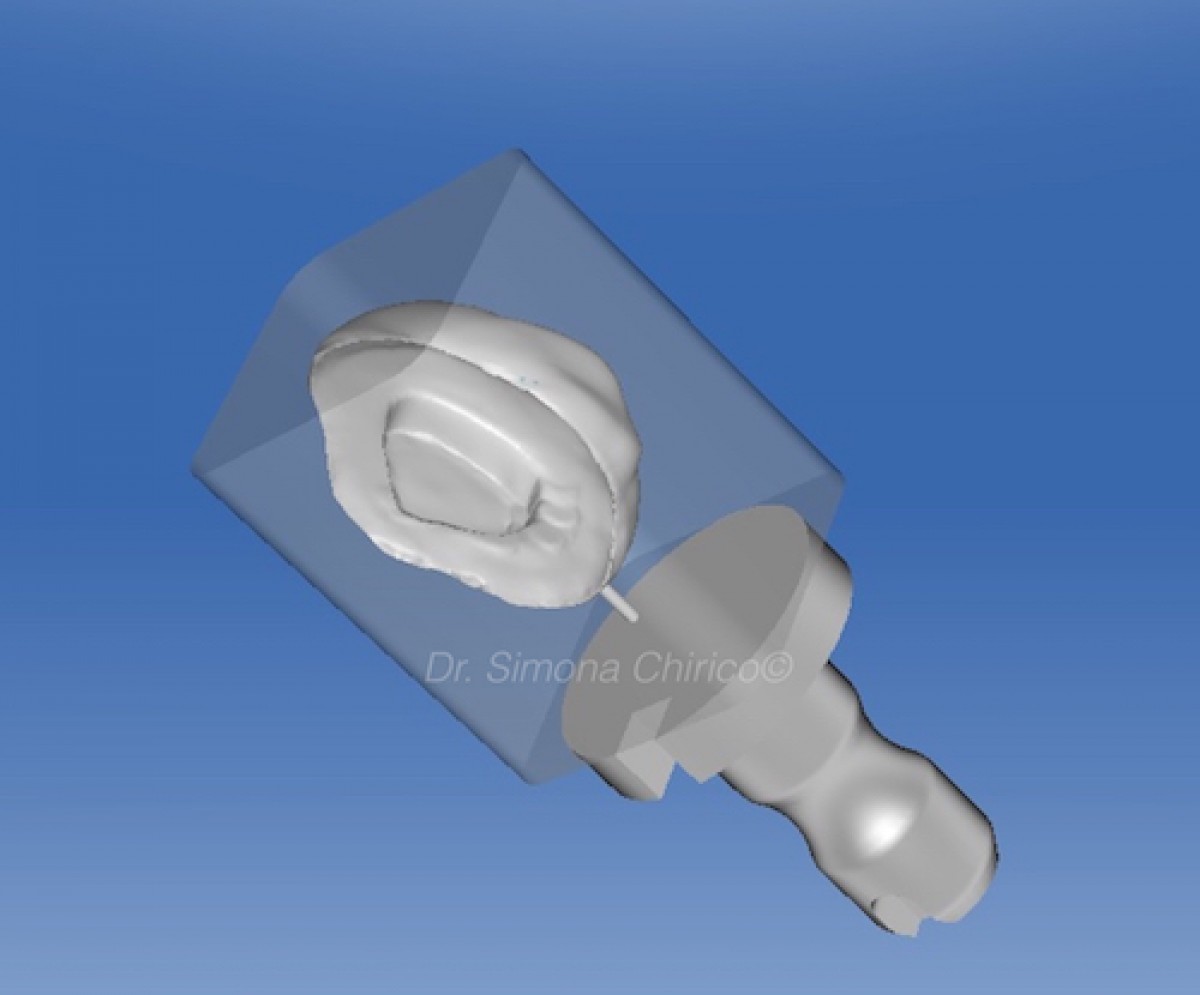
The use of endocrown in the rehabilitation of endodontically treated teeth is becoming increasingly popular in recent years, especially thanks to the encouraging data in the literature. This type of restoration, in fact, is a valid alternative to the use of crown and post traditional one, as it allows for a more conservative procedure and a easy execution.
Recently, a systematic review was published by Thomas et al, which examined the success of the endocrown used to restore both endodontically treated premolars and molars with a follow up between 3 and 19 years.
Materials and methods
This systematic review was carried out in accordance with the Preferred Reporting Items for Systematic Reviews and Meta- Analyses (PRISMA) guidelines.20 This study was carried out at the University of Central Lancashire, United Kingdom and was registered with the PROSPERO database. Medline, Embase, Dentistry & Oral Sciences Source and Cochrane CENTRAL were searched through January 2020, supplemented with hand searching of additional relevant journals.
Only 8 studies were selected.
Results
success rate of endocrown restoration in molars varied from 72.73% to 99.57% and in premolars ranged from 68.75% to 100%, with a follow-up range of 3–19 years. The pooled odds ratio and 95% confidence intervals for failure rates in molars compared to premolars in four studies selected for meta-analysis were 1.096 (95% CI: 0.280, 4.292).
Conclusions
Endocrowns are a valid alternative to crowns and posts restorations.
Although the literature highlights that there are no statistically significant differences in the use of endocrowns on premolars and molars, in reality, by analyzing the data, it is possible to conclude that endocrowns for the restorations of endodontically treated molars work better than for endocrowns on premolars.
For further information: Comparing endocrown restorations on permanent molars and premolars: a systematic review and meta-analysis
 Related articles
Endodontics 28 February 2023

Chirico works in private practice in Milan and Desio, Italy. Her principal areas of expertise are digital dentistry, endodontics and restorative dentistry. ...
Prosthodontics 12 February 2023

There are various types of materials used to perform this type of restoration. But which of these has a better mechanical behavior?
Prosthodontics 09 September 2022
Evaluation of Endocrown preparation and fracture resistance in endodontically treated teeth
Lateral-posterior teeth, after endodontic therapy, require adequate restorations to re-establish masticatory function and minimize the risk of fracture, as well as ensure a perfect seal to prevent...
Digital Dentistry 29 July 2022
Endocrown VS Crown+Post: which is the best restoration for endodontically treated teeth?

The restoration of endodontically treated teeth is still a discussed topic in dentistry. Today, the most common restoration for endodontically treated teeth...
Prosthodontics 11 May 2022
How much does the thickness of lithium disilicate affect the fracture resistance of the endocrown?
The restoration of severely damaged endodontically treated teeth is still a discussed topic in dentistry. Today, the most common restoration for endodontically treated teeth involves post and crown,...
Read more
Products 13 October 2026


New Resources Help Dental Exhibitors Evaluate Their Investment and Explore the Personify ShowFlow™ Trade Show Success System
News 13 October 2026

New patient apps extend The Aspen Group’s mission to remove barriers to care, giving patients greater visibility, convenience, and control from booking through treatment
Editorials 13 October 2026

The forerunner of what’s now Texas A&M College of Dentistry opened 120 years ago in Dallas with the mission of educating dentists to provide quality care to patients in North Texas
Oral pathology 13 October 2026
This peer-reviewed oral pathology article summarizes clinical evidence from Oral oncology (2026). It focuses on findings that may help dental professionals evaluate treatment decisions, patient...



Copyright © 2026 - All Rights Reserved
ISSN 2767-1178