


The crucial role of imaging in digital dentistry
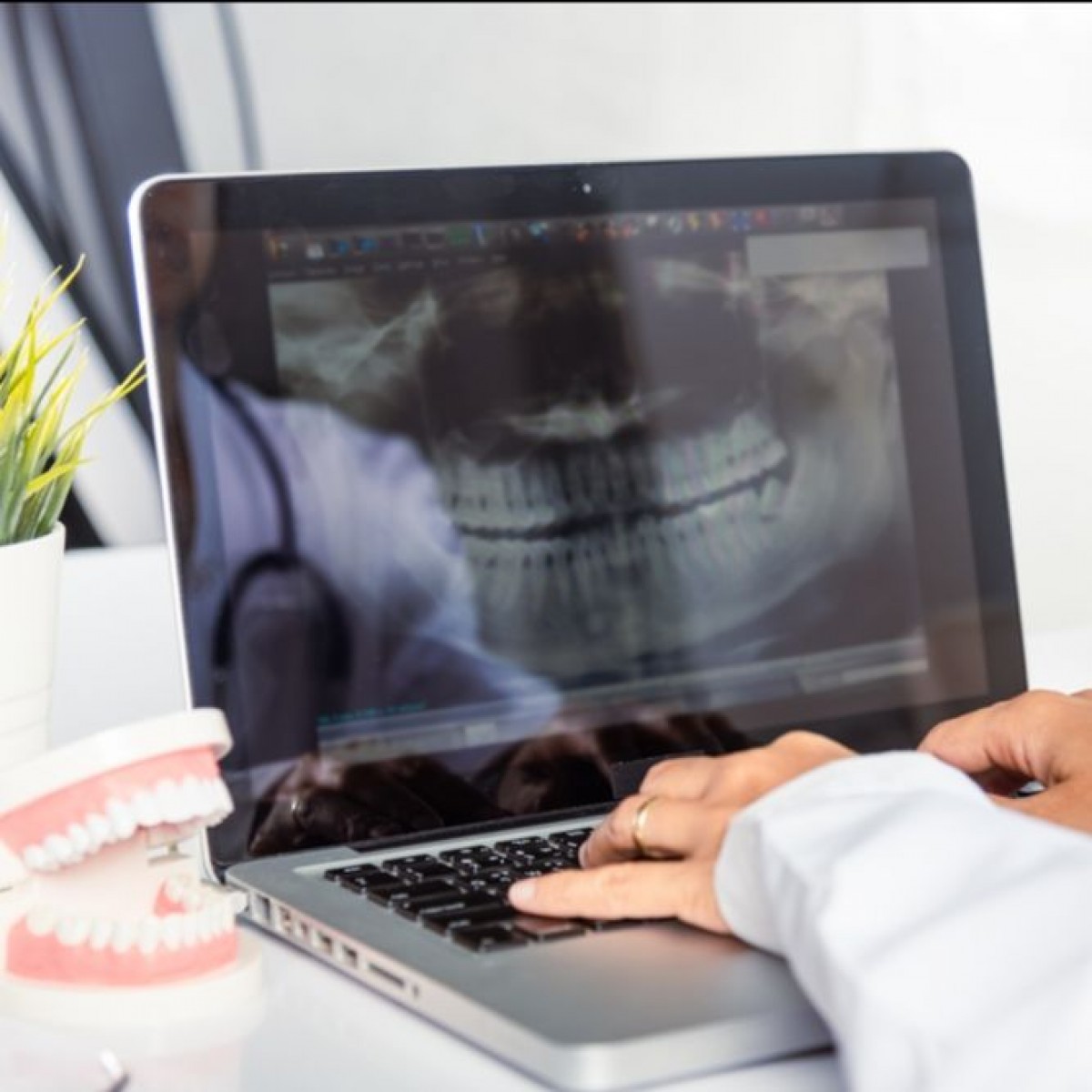
One of the recent trends in dentistry – and this in every field from the restorative to the orthodontic one– is the introduction of simplified completely digital workflows. Digital dentistry is supposed to allow dentists to work more efficiently, and this at higher precision, and with the possibility of all-in-one sessions using in-house computerized techniques. In this workflow, one of the major tools for simulating and transferring dental treatments is imaging. Both 3D low dose radiographic as well as optical imaging are playing crucial roles and have been overwhelming the market. Novel design platforms, compact and extremely fast milling and printing units are now also plentiful and rapidly being adopted in practice. Nevertheless, many of the steps in this digital dentistry process, no matter how simplified, present risks that can contribute to reduced precision and clinical difficulties. It is therefore the purpose of the article to briefly describe the role of imaging in this digital workflow, and where the pitfalls can be found that may lead to errors and imprecision.
Introduction
In every field of dentistry a rapid adoption of the digital workflow has transformed everyday practice. It allows surgeons to more effectively and accurately plan implants and their restorations in an interactive 3D environment, create surgical guides and if desired, immediately commence rehabilitation in one session. Similarly, dentist can rapidly provide durable and precise CAM (computer-aided manufacturing) restorations since digital impressions of preparations can immediately and almost completely automated be manipulated chairside on the computer. The same workflow with digital impressions can also be adopted for the rapid prototyping of removable partial dentures with metallic frameworks or even for the manufacturing of complete dentures. But also in endodontic practice, virtual CAD (computer-aided design) libraries can help in the simulation of complex endodontic treatments, while small self-designed guides can be printed to help in delicate endodontic procedures. However, the most striking example of simplified dental workflows can be found in orthodontics where digital impressions for virtual set-ups and aligners are being adopted worldwide at very fast pace.
When considering the multitude of research articles on digital dentistry, one thing that research seems to be agreeing upon is that the overall digital workflow in the different fields of dentistry seem to be at least as precise and certainly as effective as traditional workflows. Nevertheless, it also seems that literature often depicts controversial results on accuracy and precision of virtual treatments. This can easily be explained given the multitude of technologies out there, the numerous manipulation steps and all the clinical considerations in this digital workflow. It is therefore, up to today, still impossible to come out with clear guidelines and recommendations on complete digital workflows. It is important to remain critical since science and practice are often far apart, and many variables in the chain have not yet fully been investigated. Especially when one wants to adopt chairside technologies, it is crucial to understand where the pitfalls lie that may lead to inaccuracy and inadequate treatment.
When considering the general digital workflow in dentistry, three major processes are actually being followed: the acquisition of digital information, the processing of all this data and finally the transfer to the clinical environment. These steps can also be described under the respective categories as the digital patient, the virtual patient and the real patient. It is clear that imaging technology will have to most influence in the process since it is part of the initial workflow. Since not only the technology itself but also how the clinician will use these images will largely influence outcomes, it may be better to address these critical imaging steps in the following subdivisions:
- Imaging: the initial clinical examination supplemented by optical and radiographic images;
- Diagnosis: manipulation of the acquired data for diagnosis and treatment plan set-up;
- Planning: simulating the desired treatment in a virtual environment;
- Transfer: manually or by means of computerized aids transferring the planned treatment;
- Follow-up: verifying the actual treatment remains successful over time.
While it is most common to outsource some of these steps in the workflow, for instance by requesting planning services, or choosing the laboratory technicians for larger and more complex cases with highly esthetic demands, simplified workflows are surfacing rapidly in order to minimize chair time. The crucial role of imaging will be addressed in the above mentioned steps.
Author: Bart Vandenberghe
Source: https://www.sciencedirect.com/
 Related articles
Periodontology 15 December 2025

In dental practice, the successful management of a patient with periodontitis and concurrent diabetes can be challenging.
Continuous innovation across the DEXIS ecosystem helps clinicians work with greater clarity, confidence, and efficiency
Products 26 August 2026
Lumos 3DX Mobile Dental Imaging System Brings Advanced Diagnostics Chairside
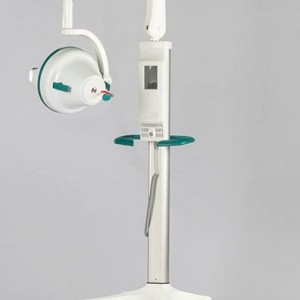
New solution from Valkyrie BioScience delivers chairside Tomosynthesis and Intelligent Imaging to bridge the gap between 2D and CBCT.
News 20 March 2026

Dr. Parker B. DeMille expands diagnostic capabilities with next-generation cone beam CT technology at his Taylorsville practice, enhancing precision for implant placement, sinus lifts, and bone...
News 17 March 2026
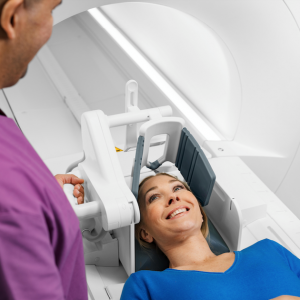
Dentsply Sirona and Siemens Healthineers are pleased to announce that the first-ever dental-dedicated MRI1 (ddMRI) system—MAGNETOM Free.Max Dental Edition—has received FDA clearance in the United...
Read more
Products 15 October 2026
The belief in the healing power of light goes all the way back to ancient Egypt and the worship of Rah, the sun god.

Nearly half the world’s population is affected by oral disease—and the number of cases is rising.
News 15 October 2026

New office at 3170 R Street adds walk-in availability and same-day care options in a region where dental providers are in short supply

Each year, the University of Colorado Anschutz School of Dental Medicine (SDM) Excellence Awards recognize individuals whose dedication, leadership and innovation strengthen our mi
Oral surgery 15 October 2026
This peer-reviewed oral surgery article summarizes clinical evidence from International journal of oral and maxillofacial surgery (2026). It focuses on findings that may help dental professionals...


Copyright © 2026 - All Rights Reserved
ISSN 2767-1178