


Langerhans cell histiocytosis: Current concepts in dentistry and case report

Langerhans cell histiocytosis (LCH), which is a rare granulomatous pediatric disease of unknown etiology, is characterized by the idiopathic proliferation and accumulation of abnormal and clonal Langerhans cells or their marrow precursors, resulting in localized, solitary or multiple destructive lesions. These lesions are most commonly eosinophilic granuloma, which are found in craniofacial bone structures such as the skull and mandible, skin and other organs. In children, the disease has a variable initial presentation, and the clinical course, prognosis and survival are unpredictable. The aims of this report were to present an LCH case in a girl aged 2 years, 8 months and her clinicopathological features, to describe the bucodental management provided, and to discuss special dental considerations of this disease.
Introduction
Langerhans cell histiocytosis (LCH), previously named histiocytosis X, is an uncommon hematological disease that predominantly affects infants and young children. LCH is characterized by a proliferation, infiltration and accumulation of a specific histiocyte, namely, the pathological Langerhans cell, which is considered to be a special type of dendritic mononuclear cell, within a variety of tissues and organs. Such dendritic mononuclear cells are derived from the bone marrow and possess important immunologic functions, particularly in antigen development of T-lymphocytes . The monoclonal infiltration of Langerhans cells, together with other immune effector cells, causes localized destructive tissue lesions as a result of the cellular infiltration, which replaces bone and invades skin, mucosa and internal organs .
The disease was firstly described in 1865 by Dr. Thomas Smith, who reported the case of a 4 years old child with impetigo and three large bone defects on the calvary. In 1868, the German physiologist Paul Langerhans observed several non-pigmented dendritic cells in the epidermis and mucous membrane, which he initially considered to be neuronal, and then corrected himself. Subsequently and independently of each other, Dr. Alfred Hand, Dr. Artur Schüller and Dr. Henry Christian described similar cases. In 1953, Dr. Louis Lichtenstein introduced the term ‘histiocytosis X,’ which characterized the disease as a proliferation of histiocytes of unclear etiology, and it was unknown whether it should be classified as a neoplastic, inflammatory or lipid disorder (9,10). In 1987, the Histiocyte Society was founded with the collaboration of several international research organizations; since then, the society has established diverse standards regarding the definition, classification and general management of LCH.
The pathogenesis of LCH remains unclear and poorly understood; however, according to Merglová et al., various etiologic factors have been proposed, such as neonatal infections, a skipped vaccination, exposure to solvents, and thyroid diseases. Approximately 200 new cases of LCH are diagnosed each year in the US, whereas in Western Europe, it is estimated that LCH occurs at a rate of 2 to 5 cases per million per year, primarily in children under the age of 15 (the incidence peaks between 1 year and 4 years, although some cases have been reported in newborns); 80% are Caucasian, and boys are affected more than girls, with a reported male:female ratio ranging from 2:1 to 4.6:1. Approximately 99% of patients are diagnosed with type I or II variety. Its incidence is approximately 10% that of acute childhood leukemias.
Search strategy
This review was based on a Medline-PubMed, Scopus, and Web of Knowledge searching, which was conducted to obtain papers published in English and Spanish languages, between June 1999 and December 2014, using the following MESH terms or key words, in different combinations: “Langerhans”, “histiocytosis”, “children”, “dental management”. We also conducted a ma-nual searching of relevant papers published in four major oral surgery journals (Journal of Craniomaxillofacial Surgery, Oral Maxillofacial Surgery, Oral Surgery Oral Medicine Oral Pathology Oral Radiology Endodontology, and Medicina Oral Patología Oral Cirugía Bucal), and three pediatric dentistry journals (Pediatric Dentistry, Journal of Clinical Pediatric Dentistry, International Journal of Paediatric Dentistry). Both electronic and manual searching yielded in total sixty-seven potentially relevant papers, based on the review of the corresponding abstracts. Then, following the full-text critical evaluation, thirty-three studies were finally included in the review.
Authors: Efraín Ramos-Gutiérrez, Francisco Alejo-González, Socorro Ruiz-Rodríguez, José-Arturo Garrocho-Rangel, and Amaury Pozos-Guilléncorresponding author
Source: https://www.ncbi.nlm.nih.gov/
 Related articles
Restorative dentistry 29 January 2026
Current trends in restorative dentistry in the UK: a Delphi approach

The purpose of the study was to obtain insight into current trends in restorative dentistry in the UK by means of a Delphi technique.

Aseptico recently announced 2 new Wireless Foot Controls that let existing Aseptico motor owners go wireless in minutes. Choose the Wireless On/Off Footswitch for simple actuation or the Wireless...
Oral surgery 26 November 2025

An apicectomy is an endodontic surgical procedure which involves root-end resection, apical curettage and root-end filling.
This systematic review aimed to provide an overview of zirconia implants as well as regarding the outcome of the implant-restorative complex in preclinical studies.
Editorials 01 September 2025
ASOD Dental Faculty Practice offers 20% discount to current, retired UNC Chapel Hill employees

UNC Adams School of Dentistry Dental Faculty Practice (DFP) provides exceptional care for all patients but now is hoping to welcome some from our own backyard — UNC-Chapel Hill employees! Beginning...
Read more
Europe 27 September 2026 - 30 November -0001
Digital Dentistry Society Global Congress 2026: Event Preview and Professional Highlights

The Digital Dentistry Society Global Congress 2026 will take place from October 22, 2026 to October 24, 2026 in TBD, Rotating Europe, offering dental professionals a focused environment for...
Editorials 27 September 2026
Dentistry33 survey highlights replacement care, deep caries and evolving restorative workflows
Reader survey finds direct composites remain dominant, secondary caries is the leading reason for restoration replacement, and clinicians want more training in pulp preservation
Reader survey finds direct composites remain dominant, secondary caries is the leading reason for restoration replacement, and clinicians want more training in pulp preservation
Edra Professional Books 26 September 2026
Manual of oral surgery: A Practical Reference for Dental Professionals
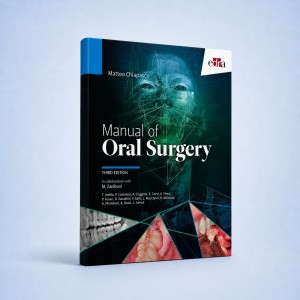
Manual of oral surgery is an Edra professional dentistry reference focused on clinical practice, education and treatment planning.
Products 25 September 2026

Shofu Dental’s line of dental restorative materials now includes FX-LC, a next-generation, light-cure, resin-reinforced glass ionomer formulated to deliver high strength, efficient 4
News 25 September 2026

The scholarships are part of an ongoing workforce solutions strategy to help address the need for skilled dental hygienists



Copyright © 2026 - All Rights Reserved
ISSN 2767-1178