


UW-developed dental lozenge could provide permanent treatment for tooth sensitivity
By Alden Woods, UW News
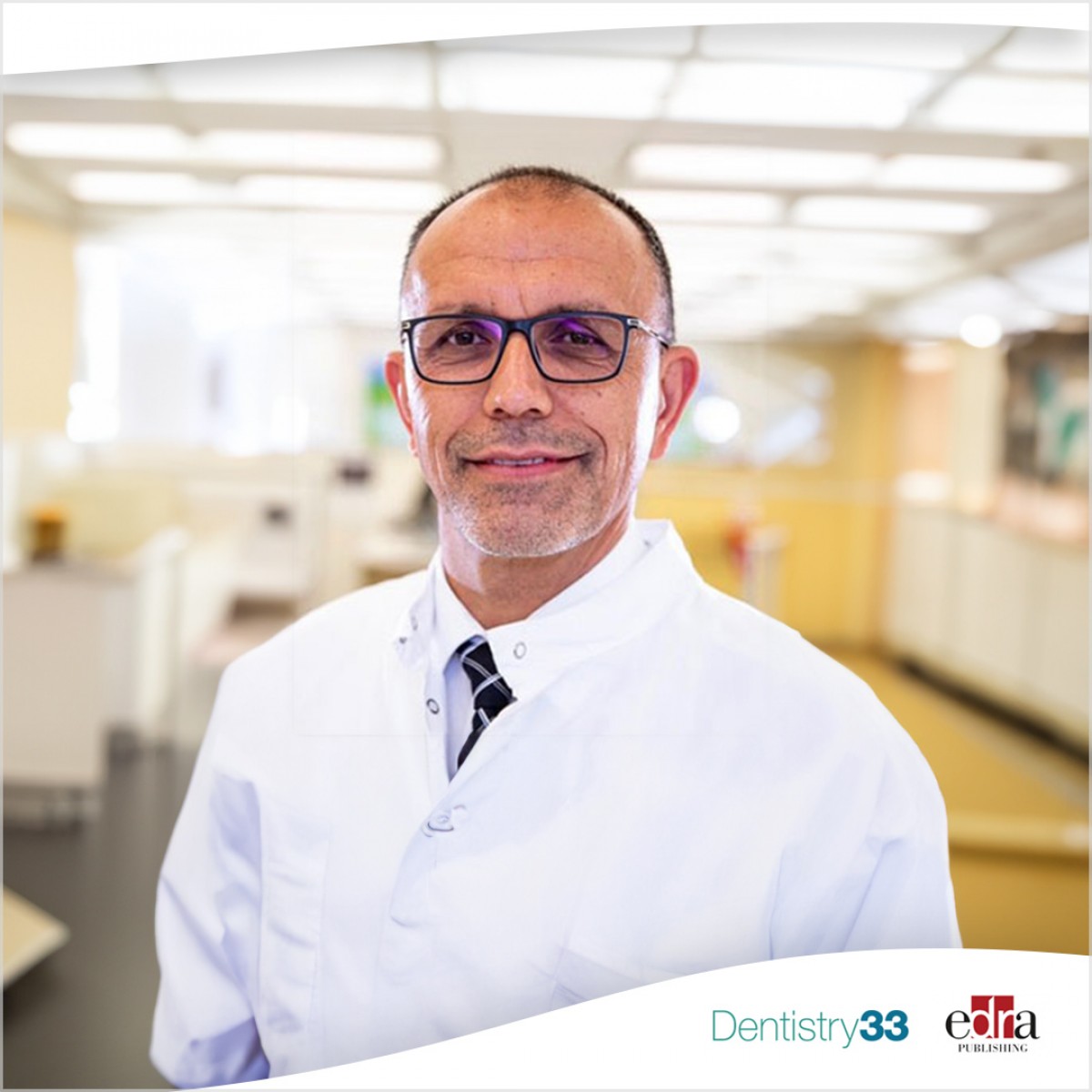
"We see patients with hypersensitive teeth, but we can't really help them," said Dogan, a professor of restorative dentistry at the University of Washington. "We have all these repair options available in the market, but they're all transient. They focus on treating the symptoms and not addressing the root cause. I see my patients after a couple of weeks, several months, again coming to my practice complaining about the same issue."
"We see patients with hypersensitive teeth, but we can't really help them," said Dogan, a professor of restorative dentistry at the University of Washington. "We have all these repair options available in the market, but they're all transient. They focus on treating the symptoms and not addressing the root cause. I see my patients after a couple of weeks, several months, again coming to my practice complaining about the same issue."
A few years ago, Dogan began working with a team of UW materials engineers who had set out to develop a natural protocol to rebuild lost tooth minerals, which they believed could also become permanent fix to this painful condition. Their solution, unveiled this winter in ACS Biomaterials Science & Engineering, builds new mineral microlayers that penetrate deep into the tooth to create effective, long-lasting natural protection.
The ultimate goal, Dogan said, is to provide easily accessible relief for the millions of adults worldwide who suffer from tooth sensitivity.
The painful sensation emerges when acids, like those created after saliva breaks down sugar, wear away at tooth enamel. Uninterrupted, that wear — called demineralization — can expose the pathways connecting the tooth’s hard exterior with its softer interior, dentin and pulp. Nerves and blood vessels are left defenseless, and pain ensues.
The body has no way to repair or regrow worn enamel, which is the only non-living tissue in the human body. To reverse that loss, the UW researchers designed their solution to be molecularly biomimetic, meaning it closely resembles the molecular processes by which the body develops teeth.
At the heart of that process is a peptide — a short chain of amino acids — derived from the larger protein amelogenin, which is key in the biological development of human teeth. Named sADP5, the specifically tailored peptide grabs onto calcium and phosphate ions — the main components of tooth mineral — and uses them to build new mineral microlayers.
“Our technology forms the same minerals found in the tooth, including enamel, cementum, and dentin alike, which had dissolved previously through demineralization and caused the sensitivity,” said lead author Deniz T. Yücesoy, who began this work as a postdoctoral researcher at UW and is now an assistant professor at the Izmir Institute of Technology in Türkiye. “The newly formed mineral microlayers close the communication channels with the tooth nerves, and then hypersensitivity shouldn’t be an issue for you.”
The peptide can be integrated into nearly any type of oral health product. In preclinical trials, participants received a dental lozenge the size of a cough drop, with a core of calcium and phosphate coated in a layer of peptide-infused flavoring. Researchers have also designed peptide-based formulations including mouthwash, dental gels, tooth whiteners, and toothpaste.
“There are lots of different design and delivery methods,” said Hanson Fong, an assistant teaching professor of materials science and engineering at the UW and co-author of the paper. “The most important thing is the peptide, the key ingredient in the given formulation, and it’s working.”
This research was conducted in the Genetically Engineered Materials Sciences & Engineering Center at the UW under the direction of Mehmet Sarikaya, a professor of materials science and engineering. Other authors include John Hamann and Eric Hall from the UW Department of Materials Science and Engineering. The research was funded by the National Science Foundation, the Washington State Life Sciences Discovery Fund, UW CoMotion Gap Funds, and the UW Department of Restorative Dentistry’s Spencer Funds.
For more information, contact Sarikaya at sarikaya@uw.edu, Fong at hfong@uw.edu, Dogan at samido@uw.edu or Yucesoy at denizyucesoy@iyte.edu.tr.
 Related articles
Implantology 04 September 2026
This peer-reviewed implantology article summarizes clinical evidence from Clinical oral implants research (2026). It focuses on findings that may help dental professionals evaluate treatment...
Implantology 20 August 2026
This peer-reviewed implantology article summarizes clinical evidence from Clinical oral implants research (2026). It focuses on findings that may help dental professionals evaluate treatment...
Implantology 06 August 2026
This peer-reviewed implantology article summarizes clinical evidence from Clinical oral implants research (2026). It focuses on findings that may help dental professionals evaluate treatment...
Implantology 24 July 2026
This peer-reviewed implantology article summarizes clinical evidence from Clinical oral implants research (2026). It focuses on findings that may help dental professionals evaluate treatment...
Implantology 10 July 2026
This peer-reviewed implantology article summarizes clinical evidence from Clinical oral implants research (2026). It focuses on findings that may help dental professionals evaluate treatment...
Read more
Products 15 October 2026
The belief in the healing power of light goes all the way back to ancient Egypt and the worship of Rah, the sun god.
Nearly half the world’s population is affected by oral disease—and the number of cases is rising.
News 15 October 2026
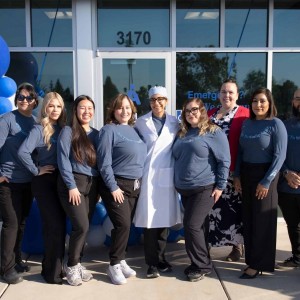
New office at 3170 R Street adds walk-in availability and same-day care options in a region where dental providers are in short supply
Each year, the University of Colorado Anschutz School of Dental Medicine (SDM) Excellence Awards recognize individuals whose dedication, leadership and innovation strengthen our mi
Oral surgery 15 October 2026
This peer-reviewed oral surgery article summarizes clinical evidence from International journal of oral and maxillofacial surgery (2026). It focuses on findings that may help dental professionals...



Copyright © 2026 - All Rights Reserved
ISSN 2767-1178